

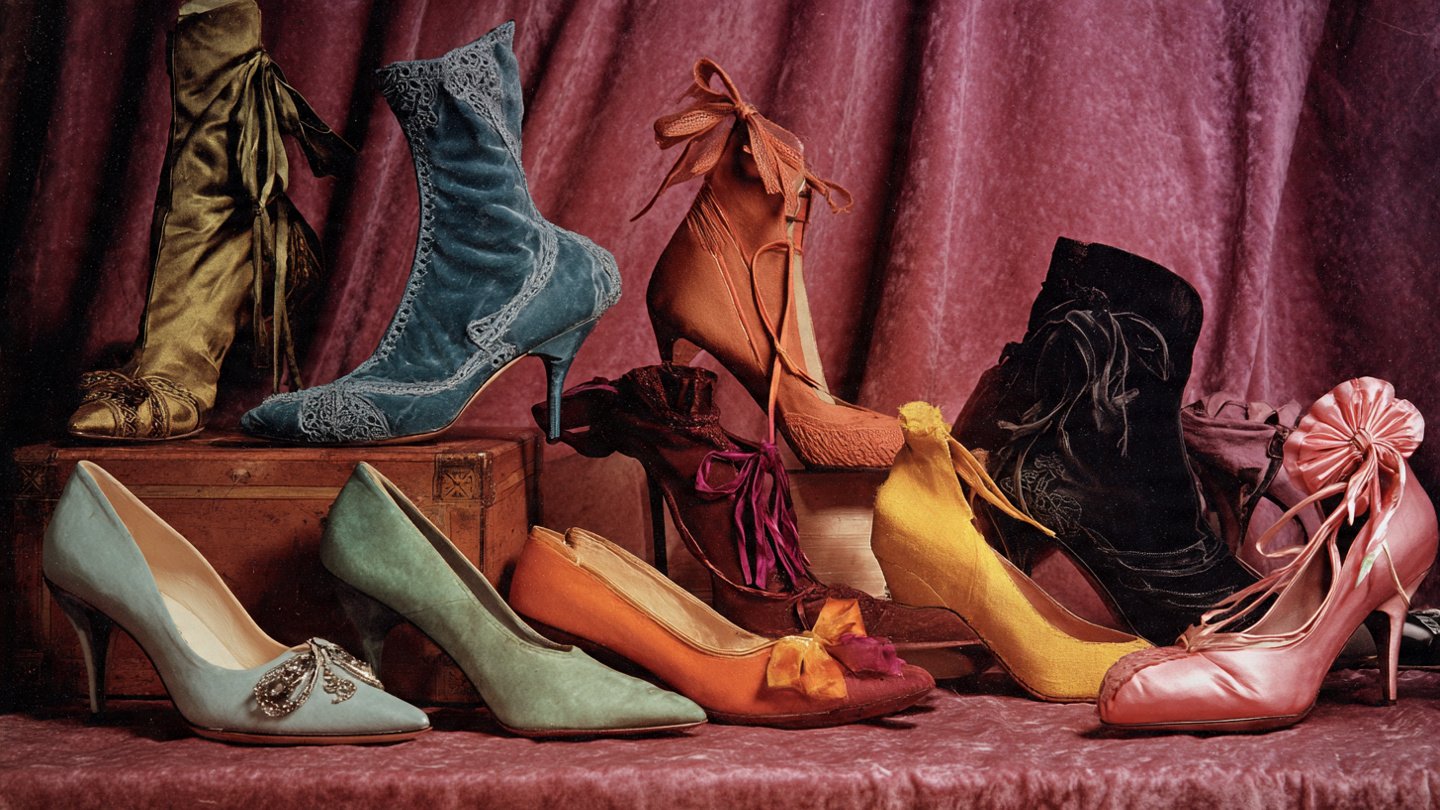
The turn of the 20th century brought sweeping changes to how people dressed. Before this era, footwear was largely viewed as a practical necessity designed to protect the feet from harsh weather and rough terrain. As societies industrialized and disposable income grew, a massive shift occurred. Footwear began transitioning from a purely functional item into a highly visible fashion statement.
During these pivotal decades, the global fashion industry expanded rapidly. Factories developed new ways to produce goods efficiently, allowing trends to cross borders faster than ever before. People gained access to a wider variety of styles, colors, and materials. This newfound variety meant individuals could choose footwear that reflected their personal tastes, social status, and lifestyle.
Looking back at the Evolution of Shoes From Ancient to Modern Times, the 1900s stand out as the definitive turning point. Shoes became deeply embedded in human identity. By examining the major trends, cultural shifts, and manufacturing breakthroughs of the 20th century, we can see exactly how modern footwear culture was built from the ground up.
Early 20th Century Footwear Trends
The early 1900s laid the structural foundation for modern shoe styles. Society was moving away from the rigid dress codes of previous generations, yet formal footwear still dominated everyday life.
Formal Shoes and Leather Craftsmanship
In the early decades, leather remained the undisputed king of shoe materials. Cobblers and manufacturers prioritized durability and polished aesthetics. Men primarily wore sturdy leather oxfords and brogues, while women favored practical lace-up boots and modest heels. These styles borrowed heavily from Victorian Era Boots and Formal Shoes, though they gradually featured lower cuts and more comfortable fits as hemlines began to rise. Craftsmanship was highly valued, with intricate stitching and high-quality leather signifying a person’s wealth and social standing.
Rise of Standardized Designs
As populations grew, the demand for shoes outpaced the capacity of individual cobblers. This necessity led to the creation of standardized shoe sizes and widths. Instead of waiting weeks for a custom-measured pair, consumers could walk into a department store and purchase ready-to-wear shoes. This standardization allowed basic designs to spread rapidly across different regions, creating unified national fashion trends for the first time.
Influence of Industrial Production
The Industrial Revolution and Mass Shoe Production fundamentally altered how footwear was made. Mechanized stitching and automated cutting tools replaced slow hand-crafting methods. Factories could now produce thousands of identical pairs in a single day. This industrial efficiency not only lowered the cost of shoes but also allowed designers to experiment with new patterns and subtle stylistic changes without risking total financial ruin.
Mid-20th Century: The Rise of Casual and Athletic Shoes
Following the Second World War, society embraced a more relaxed approach to living. This cultural shift directly influenced wardrobe choices, pulling casual and athletic footwear into the mainstream.
Rubber Soles and Comfort Innovation
The introduction of vulcanized rubber revolutionized the shoe industry. Traditional leather soles were stiff and slippery, but rubber offered unprecedented grip and flexibility. The Birth of Rubber Soles allowed manufacturers to create lightweight footwear that moved naturally with the foot. This innovation prioritized wearer comfort, paving the way for shoes that could be worn for hours without causing pain or severe fatigue.
Growth of Sports Footwear
As leisure time increased, public interest in organized sports skyrocketed. Athletes required specialized equipment to enhance their performance, prompting companies to design shoes specific to basketball, track, and tennis. The History of Athletic Shoes shows that these early designs focused heavily on traction and ankle support. Canvas uppers paired with rubber soles became the standard uniform for athletes across the globe.
Sneakers Entering Daily Wear
It did not take long for these comfortable sports shoes to bleed into everyday fashion. Teenagers and young adults began wearing canvas sneakers outside the gymnasium, viewing them as a symbol of youthful rebellion against the stuffy leather shoes of their parents. Sneakers offered an affordable, comfortable, and easy-to-clean alternative for daily wear, officially bridging the gap between athletic performance and casual style.
Late 20th Century: Sneakers and Street Culture
The latter half of the 20th century witnessed an explosion of creativity. Footwear transcended its practical origins completely, becoming a powerful canvas for cultural expression.
Rise of Sneaker Culture
By the 1980s, sneakers were no longer just for playing sports or casual weekend wear. They became highly coveted collector’s items. Brands began releasing limited-edition colorways and collaborating with famous designers. Enthusiasts camped outside stores to secure the newest releases. This phenomenon created a vibrant secondary market and birthed a community dedicated entirely to acquiring and preserving rare footwear.
Influence of Music and Sports
Pop culture heavily fueled this footwear obsession. Hip-hop artists adopted specific sneaker brands as part of their uniform, rapping about their favorite shoes and wearing them in music videos. Simultaneously, superstar athletes received massive endorsement deals, releasing signature shoes that fans eagerly purchased to emulate their heroes. The line between sports equipment and fashion accessory vanished entirely.
Global Fashion Trends
These cultural movements did not stay confined to their countries of origin. Television and international marketing campaigns broadcasted these trends worldwide. A teenager in Tokyo could desire the exact same basketball shoe as a teenager in New York. The Psychology of Sneaker Culture and Modern Identity highlights how wearing a specific brand or silhouette became a globally recognized shorthand for belonging to a certain cultural tribe.
Design and Silhouette Evolution in the 20th Century
As the cultural meaning of shoes expanded, so did their physical appearance. Designers pushed boundaries, creating distinct visual identities that defined different eras.
High-Top vs Low-Top Sneakers
The debate over ankle height became a defining feature of late-century footwear design. High-tops originally offered necessary support for basketball players, but they quickly became a bold streetwear statement. Conversely, low-tops provided a sleek, versatile look suitable for skateboarding or casual office wear. Understanding High-Top vs Low-Top Explained reveals how consumers used these distinct silhouettes to communicate their personal style preferences.
Minimalist vs Chunky Trends
Fashion operates in cycles, and 20th-century footwear designs frequently swung between two extremes. Some decades favored clean, unadorned leather sneakers that paired easily with tailored clothing. Other eras embraced aggressive, oversized designs packed with visible technology, thick soles, and bright neon accents. Analyzing Minimalist vs Chunky Shoe Trends demonstrates how footwear continuously adapted to match the shifting aesthetic tastes of each generation.
Experimentation with Materials
Leather and canvas eventually made room for radical new materials. Innovations in synthetic plastics, mesh, and polyurethane allowed shoes to become lighter and more breathable. Designers used reflective fabrics, clear plastic panels, and even metallic finishes to create shoes that looked entirely futuristic. This willingness to experiment structurally defined the final years of the century.
Mass Production and Accessibility of Footwear
Behind the glamorous trends and celebrity endorsements lay a massive, highly efficient global supply chain. The Step-by-Step Shoe Manufacturing Process evolved into a streamlined global operation. Companies outsourced labor and sourced materials from multiple continents to keep costs low.
Because of this intense mass production, fashionable footwear became accessible to the working class. You did not need to be wealthy to participate in global fashion trends. Major brands dominated the market by offering tiered pricing structures, ensuring they had a stylish option available for almost every income level.
Cultural Meaning of Shoes in the 20th Century
It is impossible to discuss this era without acknowledging the deep psychological connection people developed with their footwear. Shoes functioned as vivid indicators of social class, group affiliation, and individual personality.
A pristine pair of expensive sneakers communicated wealth and an awareness of urban trends. A scuffed pair of combat boots signaled alignment with punk or grunge countercultures. If you look at Why Humans Care About Shoes, you see that footwear became a powerful tool for self-expression. People curated their closets carefully, using their shoes to tell the world exactly who they were without speaking a single word.
The Transition to Modern Footwear Innovation
As the 1990s drew to a close, the industry had perfectly primed itself for the digital age. The focus shifted heavily toward integrating advanced technology directly into the shoe’s architecture. Brands experimented with shock-absorbing air pockets, self-lacing mechanisms, and 3D-printed components.
These late-century technological advancements laid the groundwork for Futuristic Shoe Shapes. The relentless pursuit of both athletic excellence and striking visual design continues to drive The Future of Shoes: Technology & Innovation as we navigate the 21st century.
The 20th Century as the Foundation of Modern Footwear Culture
The transformation of footwear from a basic protective garment to a multi-billion-dollar global fashion staple is a uniquely 20th-century story. Over one hundred years, the industry evolved from local cobblers crafting stiff leather boots to global corporations manufacturing high-tech athletic gear.
The standardization of sizing, the invention of rubber soles, and the profound influence of sports and music all occurred during this vibrant era. Every sneaker release, designer collaboration, and footwear trend we see today traces its roots directly back to this period. For anyone interested in the ongoing History of Athletic Shoes and fashion, the 20th century will always remain the most crucial chapter in the story of human footwear.
Leave a Reply