Category: Politics

Home » Politics
Davos 2026: Key Takeaways from the World Economic Forum That Will Shape Global Politics and Markets
Post

Davos 2026: Dates, Main Themes and What the Meeting Could Decide

The World Economic Forum’s 2026 Annual Meeting took place in Davos-Klosters from January 19 to 23 under the theme A Spirit of Dialogue. The official meeting overview identifies those dates and its focus on geopolitical fragmentation, technology and cooperation. The original January 21 article described the meeting as already over. It was still underway on...


What the 25th Amendment Means in 2026: Understanding Presidential Succession and Fitness for Office
Post

The 25th Amendment: Succession, Vacancies and Presidential Inability

The 25th Amendment deals with presidential succession, a vacancy in the vice presidency and presidential inability. It is not a general mechanism for removing a president because opponents disagree with a policy or dislike a speech. Ratified in 1967, its official text is published by the National Archives. The four sections should be read separately...

Senate Blocks Bid to Curb Trump’s Venezuela War Powers: What the Vote Means for U.S. Democracy
Post

Venezuela War Powers: What the Senate’s January 14, 2026 Vote Did

The Senate’s key January vote on a Venezuela war-powers resolution occurred on January 14, 2026, not January 15. Senators divided 50–50, and Vice President JD Vance voted in favour of a procedural point of order. The official roll call identifies the question and outcome. Including the vice president, the point of order prevailed 51–50. The...

U.S. Halts Immigrant Visas for 75 Countries: Full List, Reasons, and Global Impact Explained
Post

The US 75-Country Immigrant-Visa Pause: January Start and August 2026 End

The United States has suspended immigrant visa processing for citizens of 75 countries, marking one of the most significant shifts in U.S. immigration policy in recent years. This explainer breaks down the full list of affected nations, the official reasons behind the decision, who will be impacted most, and how the move could reshape global migration, diplomacy, and economic ties in 2026 and beyond.

Crony Capitalism Under Modi? Adani, Ambani & India
Post

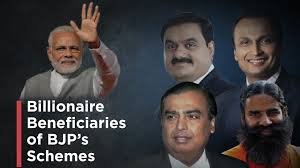
Adani, Ambani and Political Favouritism: How to Assess the Claims

Has India’s economic growth under Prime Minister Narendra Modi been driven by free-market competition—or by corporate favoritism? This in-depth analysis explores allegations of crony capitalism surrounding the rapid rise of industrial giants Gautam Adani and Mukesh Ambani. From infrastructure expansion and privatization to wealth concentration and monopoly concerns, the article examines how close government-corporate ties may have reshaped India’s economic landscape. Using data, policy insights, and expert perspectives, it weighs growth achievements against rising inequality, market concentration, and democratic accountability. As India positions itself as a global economic powerhouse, this piece asks a critical question: can development driven by a few corporate giants truly serve the broader population, or does it risk deepening structural imbalance within the Indian economy?

Democracy or Control Mechanism? How the Modi Government Is Accused of Misusing ED, CBI, and Constitutional Institutions
Post

ED, CBI and Institutional Independence: How to Assess Misuse Allegations

Critics allege that under the Modi government, institutions like the ED, CBI, and other constitutional bodies are being used selectively against opposition leaders, raising concerns about India’s democratic health. While the government insists agencies act independently, repeated pre-election raids, delayed charge sheets, and disproportionate scrutiny have sparked a national debate on whether democracy is giving way to centralized control.