


Replacing a favourite pair and choosing shoes for a wedding are different shopping jobs. For a replacement, finding the exact model may be enough. For a wedding, you may need time to assess the fit, try another size, and make a return before the event.
Start with the problem you need the purchase to solve. This guide helps you choose a buying route by fit, budget, timing, and use. For named retailers and their policy differences, see our comparison of online shoe stores in the USA.
If you already know the model that fits
Search for the full product name and version, including the width. Compare the brand’s official store with a small number of established retailers. A different colour may have a different price, while a newer version may fit differently from the pair you already own.
Read the listing rather than relying on the photograph. Check the size system, condition, seller, and whether the pair is final sale. A familiar model name is a good starting point, but it is not a reason to skip those details.
If you are trying a new size or brand
Give the return route more weight than a small discount. Use the model’s size guide, measure as the brand instructs, and read comments about fit as individual experiences rather than guarantees. Make sure you understand whether the return period starts from ordering, purchase, dispatch, or delivery.
Keep the box and tags, and assess the shoes indoors on a clean surface. If you plan to order two sizes, check the cost and conditions of returning one first. Do not assume that a generous return window permits wearing shoes outside.
For example, Zappos currently specifies new-condition returns within 60 days. That is a policy condition to plan around, not a promise that every fit problem can be resolved after extended use. Amazon’s discontinued Try Before You Buy service should not be treated as an available way to try sizes without paying first.
If your budget is fixed
Set a maximum for the amount you will actually pay, not just the product price. Compare a current style with a previous-season colour or version, but only if the fit and intended use still suit you. Clearance is useful when you want the item; a large percentage off does not make the wrong size a bargain.
Imagine two otherwise comparable pairs: one costs $55 with $8 delivery, and the other costs $65 with delivery included. The first is $2 cheaper before any return. If returning it costs $9, that difference disappears quickly. These are illustrative numbers, not current retailer offers.
Check whether a coupon applies to your chosen brand, whether it changes return eligibility, and whether you are being asked to buy more to qualify. Spending extra to reach a delivery threshold is only sensible if you needed the extra item anyway.
If you need the shoes for a specific date
Use the estimated arrival date for your address and selected size. An item being in stock is not the same as it arriving tomorrow. Allow time to inspect it and, where practical, obtain an alternative if the fit is wrong.
Local pickup can be a useful route when a retailer confirms that the selected item is ready. Wait for that confirmation before travelling. If the deadline is close and the size is uncertain, trying shoes in a physical store may be more practical than relying on an online exchange.
If you need a specialist feature
For a particular sport or workplace, write down the required feature before browsing. A shoe’s appearance is not evidence that it meets a work requirement. Match the exact model to the specification supplied by your employer or activity organiser, and use the manufacturer’s product information to check it.
For width, removable insoles, materials, or a particular fastening, look for explicit product details. If a listing does not answer the question, ask the seller or manufacturer rather than filling the gap with a reviewer’s assumption. Choose a buying route that lets you resolve that question before ordering.
If the pair is sold out at ordinary retailers
A resale listing requires a different set of checks: exact condition, seller identity, what any verification service covers, fees, and whether a fit-related return is possible. A rare pair can be expensive to return or impossible to exchange for your size. Read our guide to checking online shoe sellers before treating a marketplace listing like a standard retail purchase.
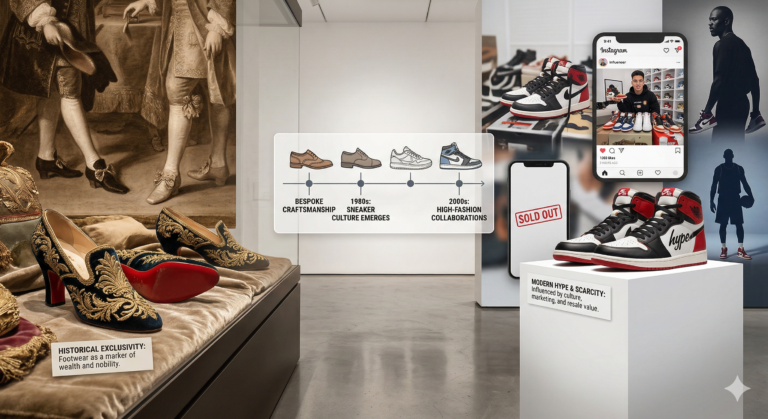
It also helps to separate wanting the design from feeling rushed by its scarcity. Our article on sneaker collecting and release pressure explores that distinction without assuming every collector has the same motives.
Make a short order note
Before checkout, record the model, size and width, seller, final amount, expected arrival, return deadline, and any fee. That small note helps you compare offers consistently and gives you something useful to check against the confirmation email.
The right place to buy depends on what could go wrong for this particular purchase. A known replacement calls for an exact match. A new fit calls for clear return options. An event purchase calls for enough time. Choose around those needs rather than expecting one shop to be best for every pair.


Leave a Reply