


The useful shoe type is the one that fits the task. Start with work, walking, sport, home use and any occasions that have specific requirements. A category name is a starting point, not a guarantee of comfort or protection.
There is no required number of pairs everyone should own. This guide uses activity-based decisions rather than unsupported claims about average US ownership, spending or the country’s most popular shoe.
Everyday and casual sneakers


Choose a pair around your normal walking, clothing and setting. Try both shoes with the intended socks and assess pressure, fastening and heel movement. A familiar size is not a guarantee across different models.
For a visually athletic pair sold for casual use, check the stated purpose. The lifestyle sneaker guide explains why an athletic-looking sole does not establish suitability for every sport.
Running and other activity footwear


Identify the activity before choosing equipment. A running-inspired casual model and a shoe intended for running can have different purposes. Read the manufacturer’s information for the exact reference and obtain appropriate fitting advice where needed.
Do not infer performance from a thick sole, a technical name or a professional athlete’s photograph. Keep the activity requirement separate from the style you prefer for ordinary outfits.
Work and dress shoes


For work, confirm the dress code and any protection specification first. An office shoe, a uniform shoe and required protective footwear are not interchangeable. A rugged outline does not establish compliance with a workplace requirement.
For events, check the expected formality and the amount of walking or standing. The office shoe guide offers fit and outfit checks. Try the chosen pair with the clothing you expect to wear.
Boots, sandals and home footwear


Boot height alone does not establish weather protection. Check model details, conditions and care instructions. Try the shaft and fastening with your trousers and usual socks.
For sandals or slides, assess how the pair stays on while walking and whether it suits the route and setting. Home footwear also varies in fastening and sole; an open or soft-looking design does not make it suitable for every person or surface.
Compare use before price
List what the next pair needs to do and what your existing shoes already cover. Include delivery, required accessories and any ordinary adjustment or care cost in the budget. Read return conditions before deciding, especially without a fitting.
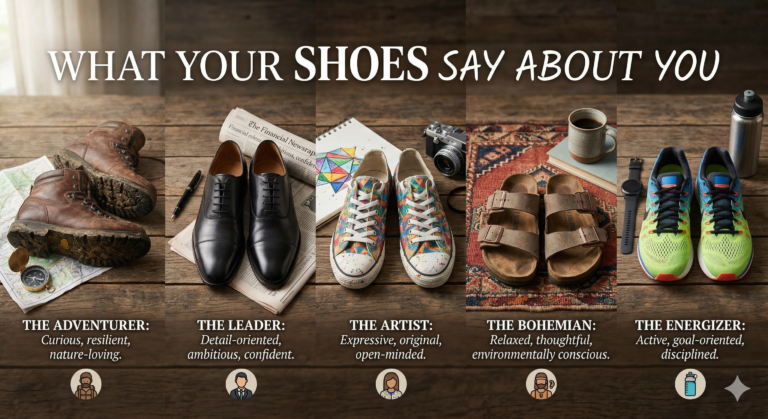
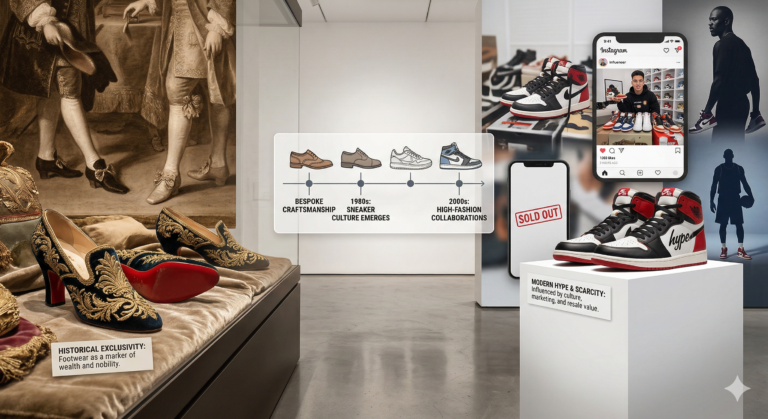
The shoe-name glossary helps identify styles, and the manufacturing guide explains why construction details vary within categories. The existing illustrations on this page are examples of appearance, not product recommendations or proof of performance.
Keep a rotation that serves your activities, rather than buying a pair in every category to meet an arbitrary wardrobe rule.

Leave a Reply