


A brand can be worth browsing without being the best choice for every shoe. The useful starting point is the type you need: an everyday sneaker, a walking-oriented design, a casual loafer, or a shoe for a specific activity. Each leads to a different comparison.
This directory points to ranges to inspect rather than awarding whole companies scores for comfort or durability. Affordable means an actual offer that fits your budget. It does not establish that every model from the brand is below a particular price, made in the USA, or suitable for your feet.
Start with the type of shoe
New Balance: casual and athletic ranges need separate comparisons
The company’s casual models, walking designs, and performance ranges serve different purposes. Start with the category, then read the exact model and width information. Its size and width guide is a practical reference, but a familiar size does not make every model fit alike.


Skechers: inspect the design and fastening
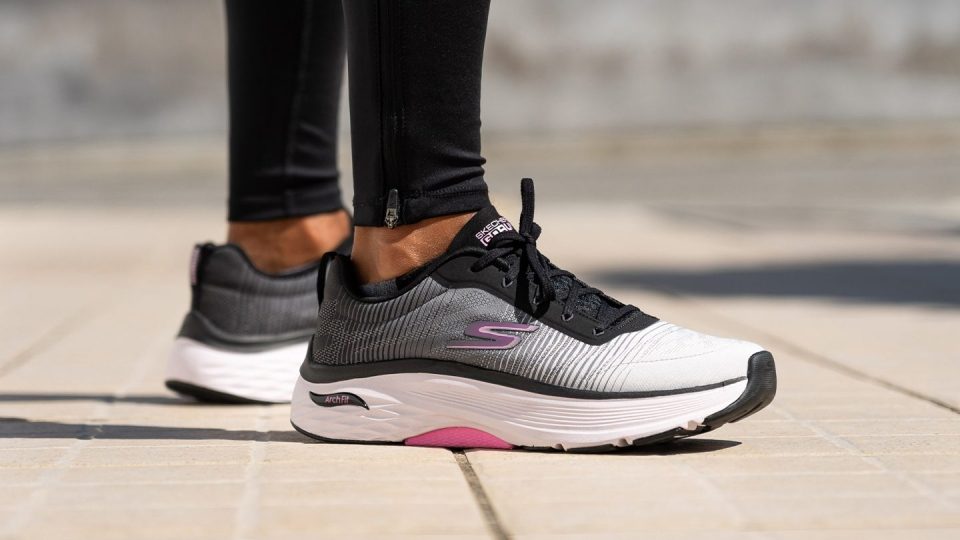
Skechers offers walking and casual ranges, including GO WALK. Browse for your use, then compare the actual construction. A slip-on, a fixed-lace design, and a tied shoe are different choices; a collection name does not settle heel hold or comfort.

Clarks: compare casual shoes beyond sneakers
Clarks’ US sale catalogue includes several footwear types, such as loafers, casual shoes, boots, and sneakers. That makes it a different starting point if you want a casual non-sneaker. Check the selected material, fit, and price rather than describing the entire catalogue as affordable or office-appropriate.


ASICS: start with the activity
The official GEL-CONTEND range is one activity-oriented example to inspect. It is not interchangeable with every casual sneaker. Read the current model details and choose for the intended use rather than assuming a brand’s sports reputation guarantees a result for every wearer.


Vans and Converse: casual silhouettes to compare
These are useful names to explore if you want a recognisable casual low- or high-top shape. Compare the actual versions, especially where classic, platform, skate, and other lines differ. A style you like is a valid reason to try a pair, but it does not establish suitability for a sport or a work requirement.
Dr. Scholl’s Shoes: inspect the footwear, not the association
A name associated with foot care should not be treated as proof that every shoe treats a foot problem. Check the individual product, its intended use, and how it fits. Do not infer a medical benefit or an all-day-standing result from the name alone.
Compare models after choosing the category
Keep the alternatives relevant: two casual loafers, two daily sneakers, or two shoes designed for the same activity. Comparing a dress shoe with a running shoe just because both cost less than your ceiling is unlikely to answer your question.
For a concrete sneaker starting point, use the budget model shortlist. If your ceiling is higher, the under-$150 guide provides dated official-store examples without claiming you need to spend the whole amount.
If you are deciding around ordinary travel and errands, start with choosing cheap everyday shoes for your routine. For women’s sneaker sizing and outfit choices, the affordable women’s sneaker guide covers a narrower set of decisions.
What makes a price genuinely useful
Check the offer for your size, colour, width, and condition. Include delivery and any return cost. A sale banner may describe only selected items, while an old review may quote a price that is no longer available. A low price is useful when the pair fits the purpose; it is not evidence of a particular lifespan.
The original brand illustrations remain examples of ranges, not current-stock or price evidence. Read the live product description. If you are choosing a store as well as a shoe, see the retailer and return-policy guide before assuming a brand page and a marketplace seller offer identical terms.
Ask the smaller question
Instead of “Which brand is always most comfortable?”, ask which of the actual pairs available to you fits and does the required job. Instead of “Which brand is cheapest?”, compare the total price of suitable offers. Those smaller questions lead to a decision you can explain and repeat.
Use this directory to decide where to begin, then stop browsing once a suitable pair and acceptable offer meet your plan. A broad brand award cannot replace that final comparison, and a useful guide should not turn one practical purchase into an unnecessary collection.

Leave a Reply