


Budget sneaker shopping gets easier when you stop comparing entire brands. One company can sell a casual court shoe, an entry-level running shoe, and an expensive collaboration. The useful question is which actual model suits your day at the price available in your size.
The candidates below are starting points, not shoes tested head to head by this website. Official US listings were checked on 27 October 2026. Prices and stock can change, and a low price for one colour does not promise the same offer for every size.
Budget ranges to compare by purpose
Nike Court Vision Low for a court-inspired casual look
Nike’s US under-$80 listing showed a Court Vision Low offer at $67.97 against a $90 listed reference price when checked. Treat that as a dated offer, not the permanent price of the model. Inspect the specific product page for materials, available sizes, and the selected seller’s terms.
This is a candidate to compare for casual styling. Do not assume a shoe with basketball-inspired looks is suitable for playing basketball. The activity description and your actual fit matter more than its appearance.
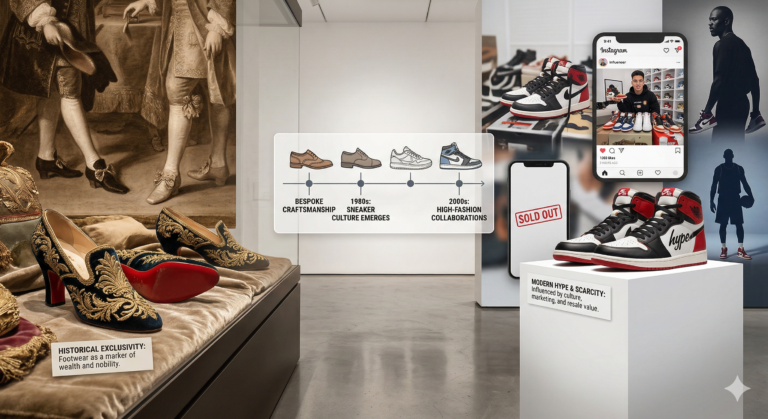
The existing pictures below illustrate brand ranges, not necessarily the priced model. They are not current-stock or test-result evidence.
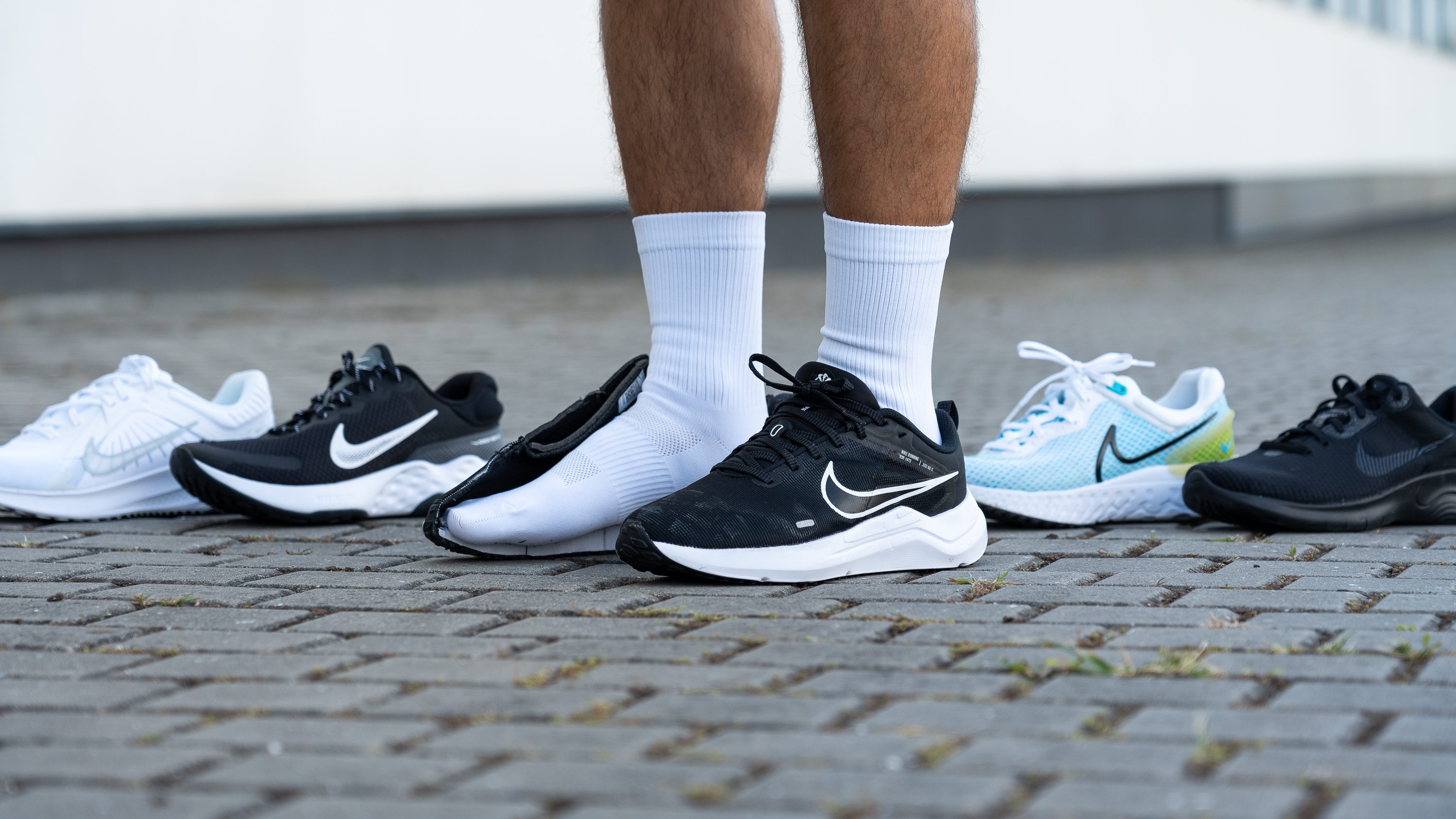

adidas: compare exact versions within a family
The Grand Court collection is a place to inspect court-inspired options. Check the actual version, upper, sole description, and selected price. A photograph of another adidas model does not establish those details for the offer you are considering.

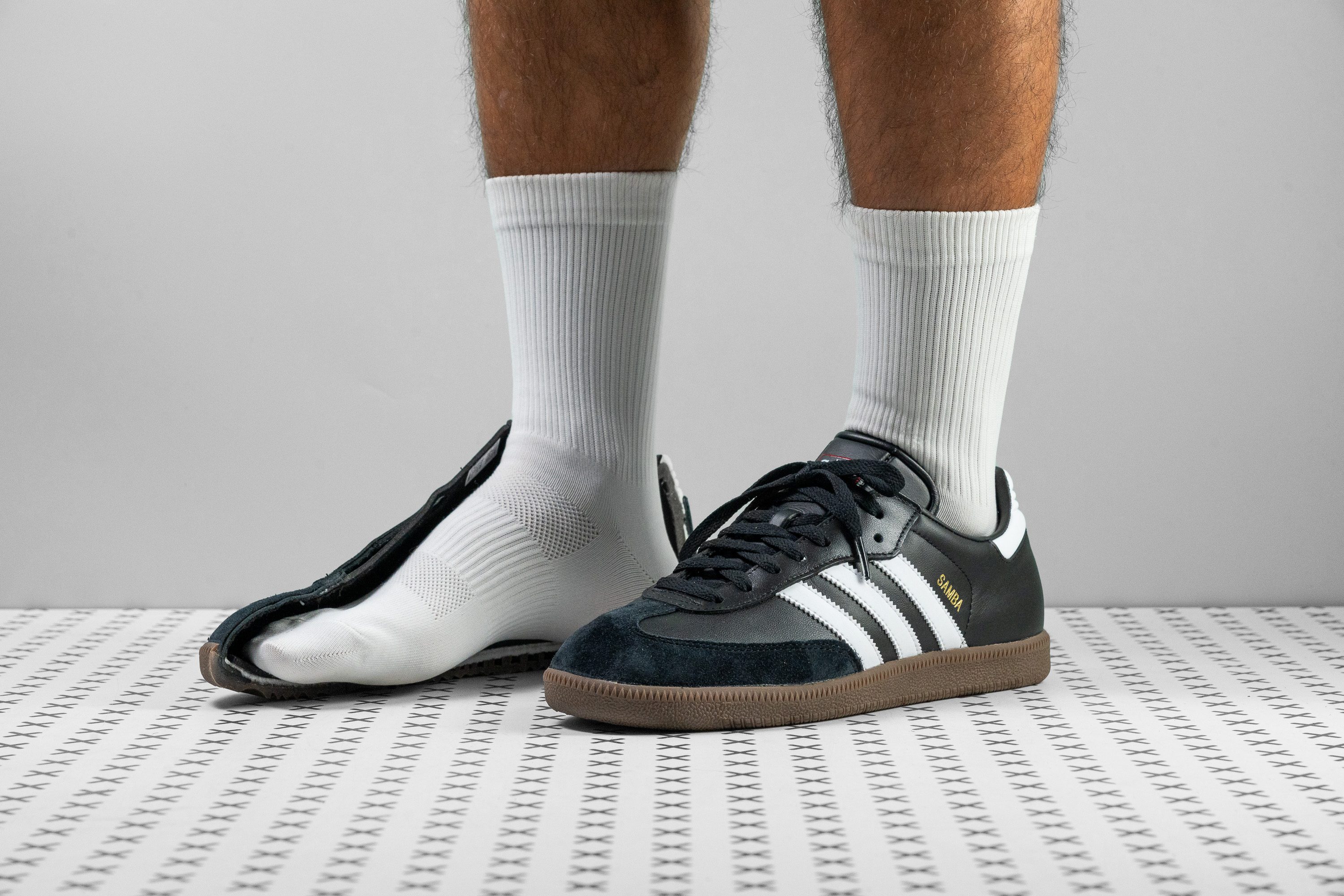
New Balance: filter for fit before a sale
Start with the model and width that suit your purpose, then compare available offers. A casual retro sneaker and a technical running model belong in different comparisons. Do not assume the entire brand falls under a single budget or uses the same construction.

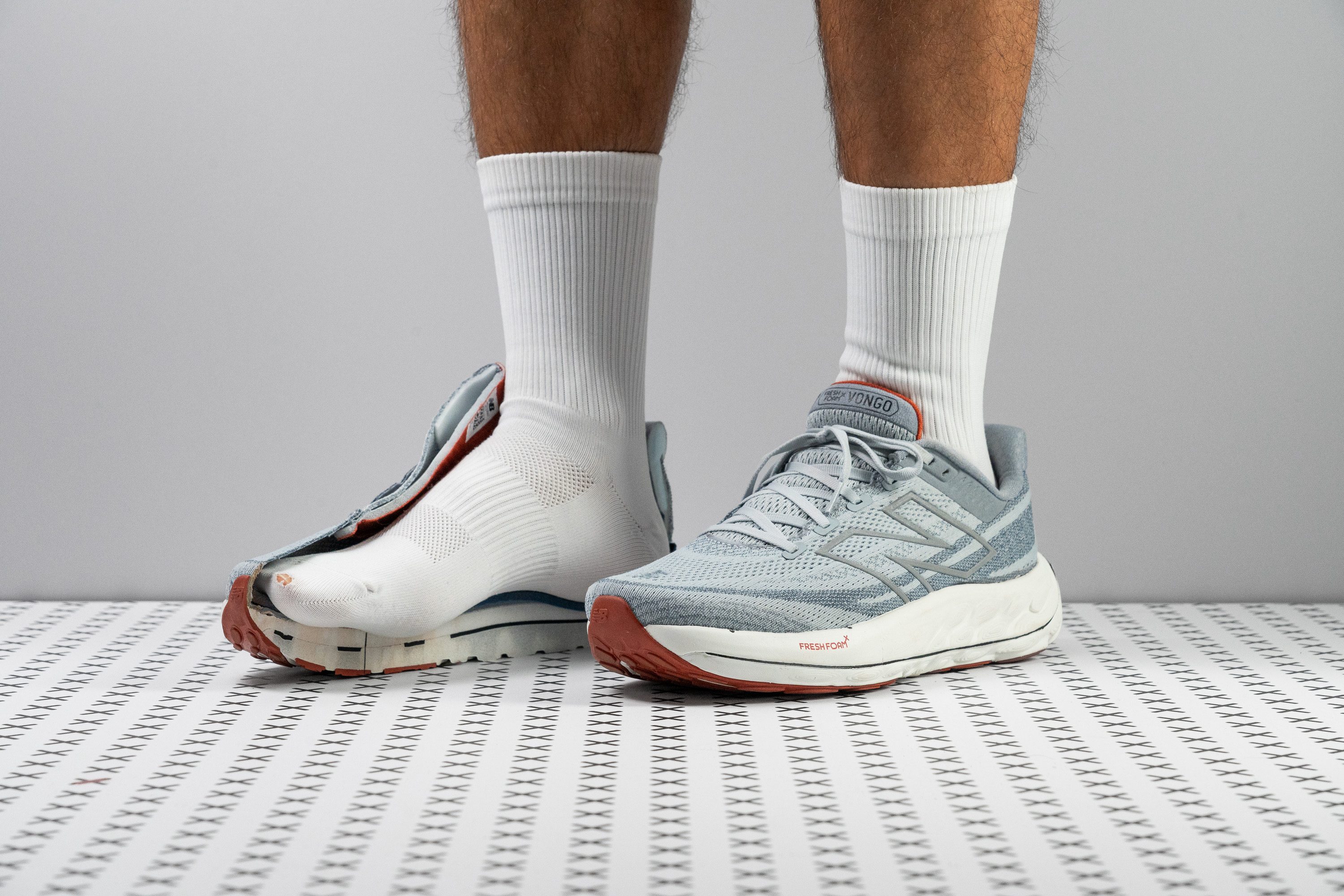
Puma: compare the offer available in your size
Check the actual style and colour rather than using a brand-wide price range. A clearance price is useful only if the pair serves your intended use and fits. Read whether the markdown changes return eligibility before deciding a smaller number is a better offer.


Reebok: distinguish a casual line from training footwear
The Club C family gives you a court-inspired casual reference. It is not interchangeable with a Reebok training model. Check the exact materials and version; a brand’s history does not establish the lifespan of an untested pair.


Skechers: inspect the fastening and construction
Compare tied, fixed-lace, and slip-on versions for the use you have in mind. A soft initial feel does not settle fit, and a collection name does not mean every model holds your foot in the same way. Avoid treating the cheapest available version as automatically equivalent to a familiar pair.

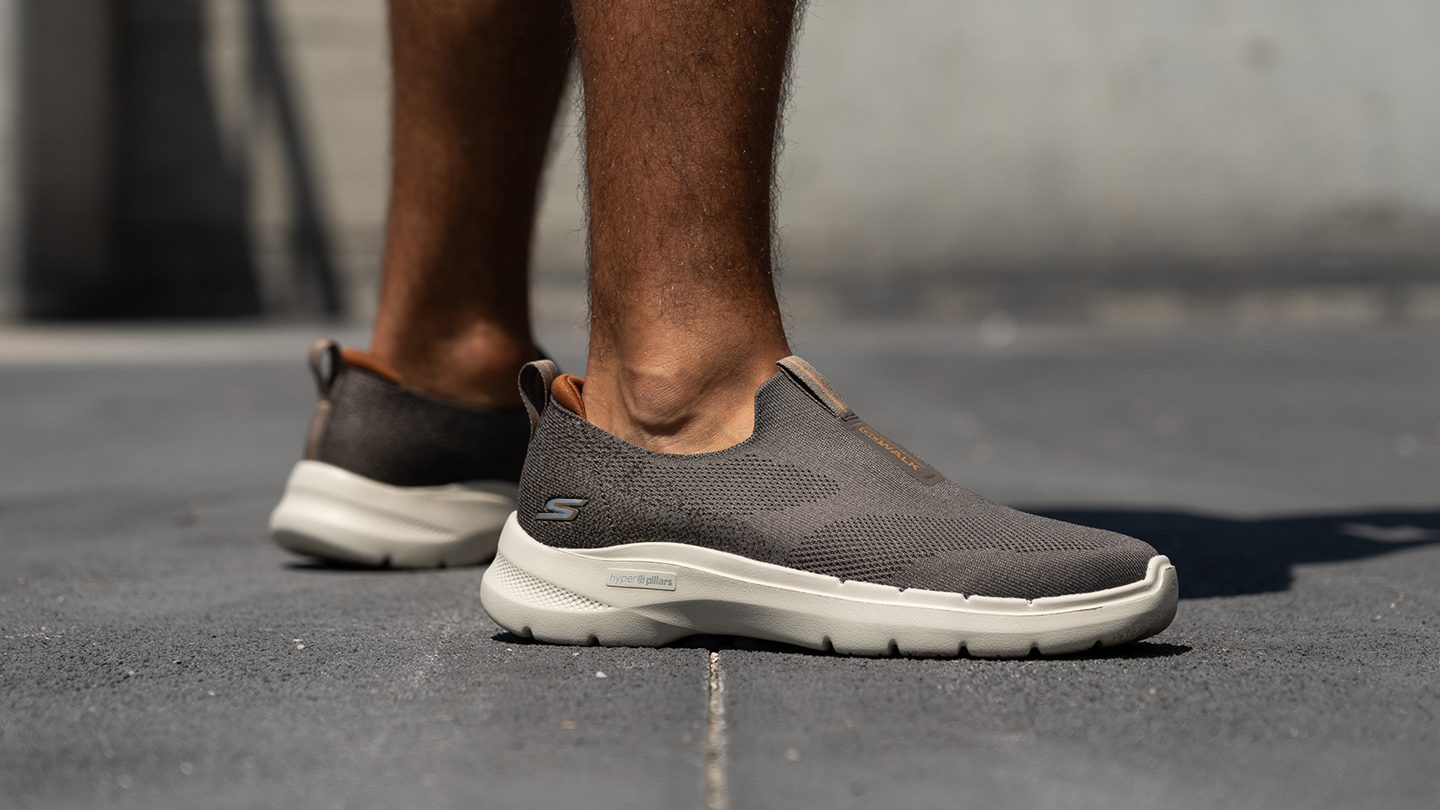
Converse: compare a recognisable casual shape
The classic Chuck range offers low- and high-top styles. Compare the specific construction and fit. The appeal is a casual silhouette you may like, not a promise of suitability for every sport or every long day on your feet.


Choose the job before the candidate
For casual outfits and short errands, compare shape, fit, fastening, and the clothes you will wear with the pair. If the main use is a sport or a workplace requirement, start with the relevant specification instead. A cheap casual sneaker is not a substitute for a shoe required for that activity.
If the choice is about long hours in a daily shoe, use our comfort and fit checklist. It helps identify what is bothering you without assigning a model from a guess about your foot type. A low price does not make a poor fit worth accepting.
Set a ceiling for the whole order
Decide how much you can spend including delivery. Then inspect the available size, condition, return eligibility, and any coupon restriction. A store page headed “under $80” can include varying offers, so verify the selected pair at checkout rather than treating a category label as a guarantee.
For a broader ceiling and a different set of brand comparisons, see sneaker brands to compare under $150. You do not have to spend that much simply because you can. Use cost per wear and intended use to explain what the extra money would achieve.
Avoid the common budget mistakes
Do not buy the wrong size because it is the only discounted one. Do not treat all shoes from one brand as having the same cushioning or width. Do not confuse a retro design with a technical sports model. And do not add an unnecessary second item just to make a delivery charge disappear.
For online orders, check the retailer and return-policy comparison before assuming you can wear the pair outdoors and still send it back. A normal new-condition return and a wear trial are different things.
Questions worth asking
Is the cheapest pair always the best budget choice?
No. The price needs to be low enough for you, but the pair still needs to fit and do the job. A shoe you cannot use is not made worthwhile by a large markdown.
How long should budget sneakers last?
There is no single lifespan for this category. Judge wear and changes in fit, and follow the maker’s care instructions. This guide does not predict a number of months for models it has not wear-tested.
A useful budget shortlist is deliberately limited. Compare a few candidates that serve the same purpose, check the actual offer, and make the fit decision before the sale countdown makes it for you.

Leave a Reply