

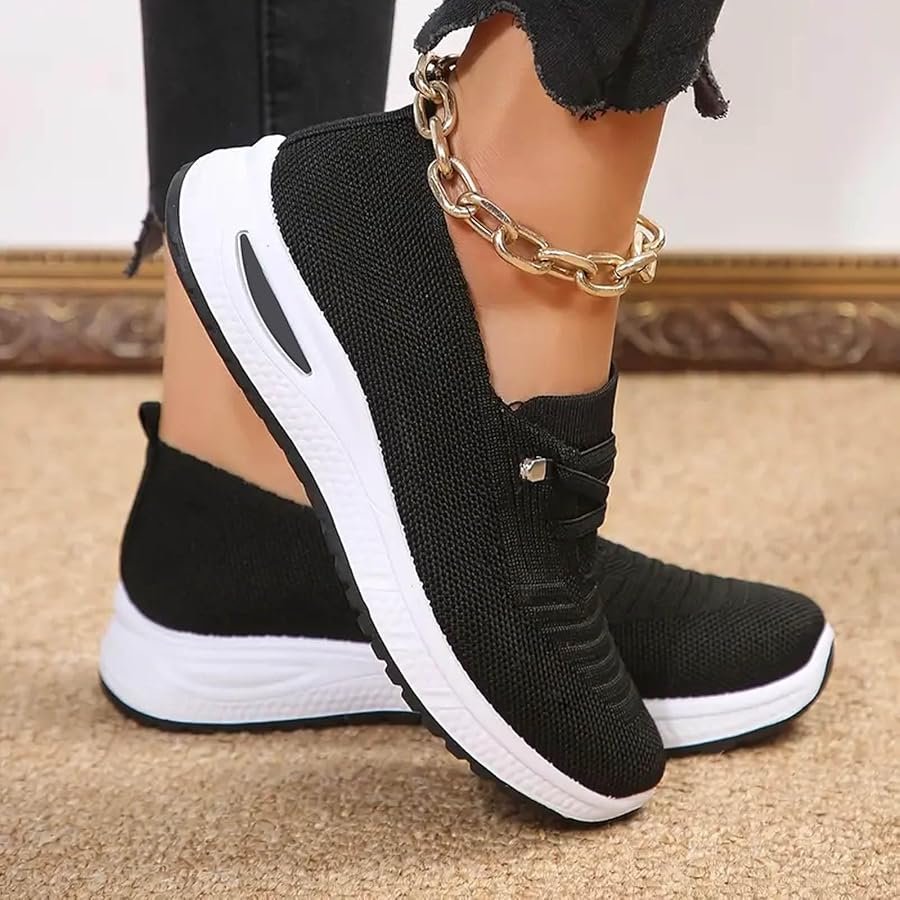
A walking shoe for a paved commute may not be the pair you want on a muddy trail. Start with where you walk, how long you are usually out and what feels comfortable on your feet. The right fit matters more than a label promising a perfect stride.
These are selection tips, not a ranking based on wear tests. Footwear can make walking more comfortable, but no shoe guarantees prevention of injury or treats a medical condition.
Match the shoe to your route
Pavement and neighborhood walks
For regular walks on relatively even surfaces, compare walking shoes and athletic sneakers that fit securely and feel comfortable. The NHS walking guidance notes that comfortable shoes that provide adequate support and do not cause blisters can be suitable. You do not need to select a particular brand to begin.
Travel and long days out
If you plan to walk between stations, shops and sights, consider the weight of the pair, your usual socks and how the shoes feel after a longer indoor try-on. If you also need a pair for daily errands, see our everyday shoe guide.
Trails, rain and uneven ground
For rougher routes, look for footwear intended for the conditions. Compare outsole design, coverage and the manufacturer’s description for wet weather. Water-resistant does not mean waterproof, and no sole prevents every slip. Consider weather, route difficulty and your own experience as well as footwear.
Use this try-on checklist
Measure both feet if possible and compare the brand’s size chart. Try both shoes with the socks and any orthoses you plan to use. Stand and walk: your toes need space, the sides should not squeeze and your heel should not rub or slip excessively. Length, width and depth can differ between models even when the size label is the same.
Fasten laces or straps as you would on a walk, then turn and step up if the store permits. Cushioning is a preference; more is not automatically better for everyone. The AAOS shoe fit guide gives further practical advice.
Walking shoes and everyday sneakers
There is overlap between the categories. A sneaker you already own may work well for a shorter walk if it fits and suits your route; a dedicated walking shoe may offer features you prefer. Compare the exact pair by fit, purpose and return terms rather than choosing solely from its category name. See our daily sneaker fit guide for another comparison.
Buying online and maintaining your pair
Check the seller, total price, size chart and return conditions. Try the shoes indoors first if required by the retailer. Our online shoe-store guide covers purchasing checks.
Inspect tread, seams and fastenings regularly. Replace footwear when it is damaged, no longer grips adequately for your conditions or no longer feels suitable. There is no single replacement interval that applies to every person and route. If foot pain persists or worsens, consult a qualified clinician.
Frequently asked questions
Are running shoes suitable for walking?
They may be, if they fit well, feel comfortable and suit the route. Try the exact pair rather than assuming every running shoe feels the same.
Do I need a women’s-specific shoe?
Choose the size system, width and shape that fit your feet. A unisex or men’s model may also work; conversion varies by brand.
How much cushioning do I need?
There is no universal amount. Try different options over the movements and surfaces you expect to use, and choose a pair that feels comfortable and secure.



Leave a Reply