

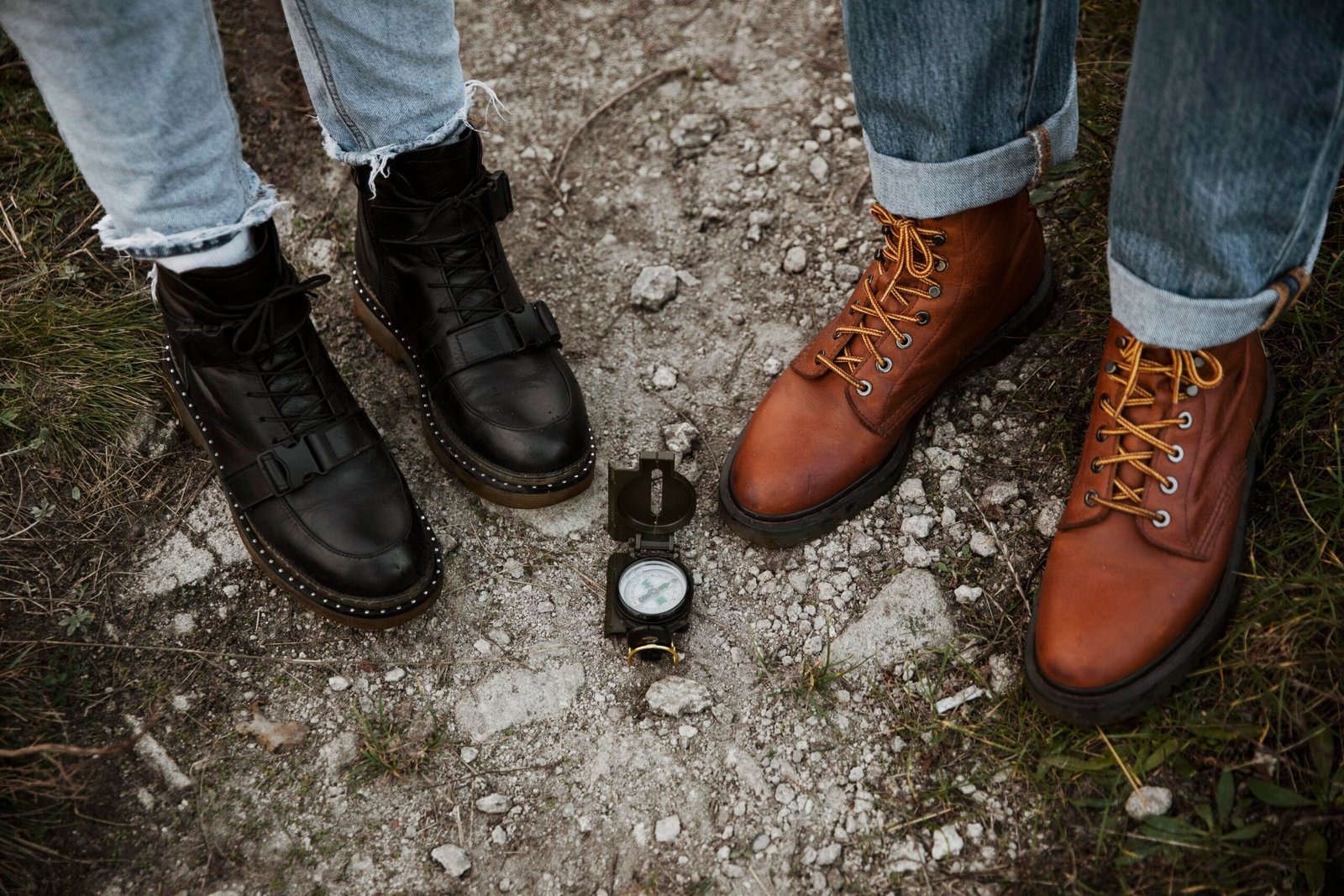
If a shoe pinches at the sides, buying a longer size is not always the answer. The shape of the toe box, the depth of the upper and the width offered in that particular model all affect fit. Start by measuring both feet and comparing width options, then try the exact pair.
The examples below come from manufacturer information, not independent wear tests or a ranking. Availability varies by size, color and retailer.
Understand width labels before shopping
Width letters are not interchangeable across every sizing system. For example, New Balance’s women’s sizing chart lists B as medium, D as wide and 2E as extra wide for its standard running sizes. That does not mean the same label or measurement applies to every brand, model or men’s size. Check the relevant chart for the exact shoe.
A shoe advertised as “roomy” may have a broad toe shape but no separate width option. A wide version may provide extra space in more than one part of the shoe. Try both and check for pressure at the toes, sides and top of your foot.
Examples of options to compare
New Balance: start with the width chart
New Balance publishes size and width measurements for women’s running shoes. Use the chart as a starting point and check whether the specific model and color come in your size and width. A brand’s size chart helps narrow the search, but cannot confirm the fit of every shoe on your foot.
Skechers Work: a wide work-shoe example
Skechers lists medium and wide options for its men’s Work: Arch Fit 2.0 Slip Resistant. The listing describes a removable insole and a slip-resistant outsole. Check the current size and width selection; availability changes. This example is not proof that the shoe meets a protective-toe or any other workplace requirement.
If you need work footwear, confirm the required protection with your employer first. Our warehouse shoe guide explains why safety-toe, puncture and slip-resistance features are separate considerations.
A practical try-on checklist
Measure both feet if possible and compare length and width against the correct manufacturer chart. Try both shoes with your usual socks and any insoles. Stand and walk: your toes should have room, the sides and top should not pinch, and the heel should stay comfortably secure.
Do not rely on a painful shoe stretching to fit. The AAOS advice on tight shoes recommends checking both length and width and avoiding shoes that do not fit. If one foot is larger, assess the fit on that foot and ask a qualified fitter for help.
Buying online and comparing value
Check the exact width, size and return window before ordering. See whether the seller accepts returns after outdoor wear; an indoor try-on may be required. Compare the total cost rather than the sale price alone. Our online shoe buying guide covers retailer checks.
Width is only one part of fit. If you have flat feet, the flat-feet shoe guide explains why arch shape alone does not determine the right model. Persistent pain, numbness or a new change in foot shape deserves clinical advice.
Frequently asked questions
Is a wide toe box the same as a wide shoe?
Not necessarily. Toe shape and labelled width describe different aspects of a shoe. Check the brand’s measurements and try the actual pair.
Should I size up for wide feet?
Not automatically. A wider width or different shape may fit better than extra length. Compare both length and width.
Do all models from a wide-shoe brand fit alike?
No. Construction and available widths differ by model, size and color.


Leave a Reply