


A sneaker can be sports equipment, an everyday shoe, a collectible or a reference to an artist or place. Those uses can overlap, but no single story explains why every person chooses the same design.
This guide looks at specific connections rather than claiming a date when all sneakers left the gym or a reason that applies to everyone. Cultural examples and market-size claims require different evidence.
Sport provides design histories
Named archives can show when a particular model appeared and how its maker describes the original purpose. The classic sneaker history guide introduces a few documented examples.
A current release may use a familiar family name while changing materials or construction. Sporting origins do not establish that a modern casual version is intended for the same activity. Check the exact model separately from the archive story.
Music adds another context
The Smithsonian’s hip-hop fashion discussion places sneakers within a wider clothing culture. It provides documented connections without reducing the history to a single endorsement or product launch.
A song or photograph can demonstrate a reference. It cannot on its own measure how many people bought a design or explain what every wearer intended. Keep the example specific rather than calling it a universal cultural turning point.
Communities reinterpret familiar objects
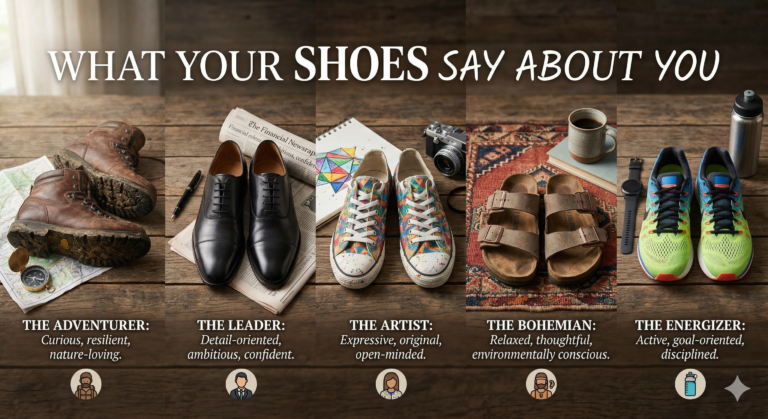
People can recognise a design, discuss its history or wear it with local references. Someone else may choose the same shoe mainly for availability, fit or colour. Both can be true without reading a personality from the product.
The sneaker identity guide explores collecting and personal meaning. Avoid treating ownership as proof of belonging to a community or the absence of a particular pair as evidence that someone lacks interest.
Retail visibility is not the whole culture
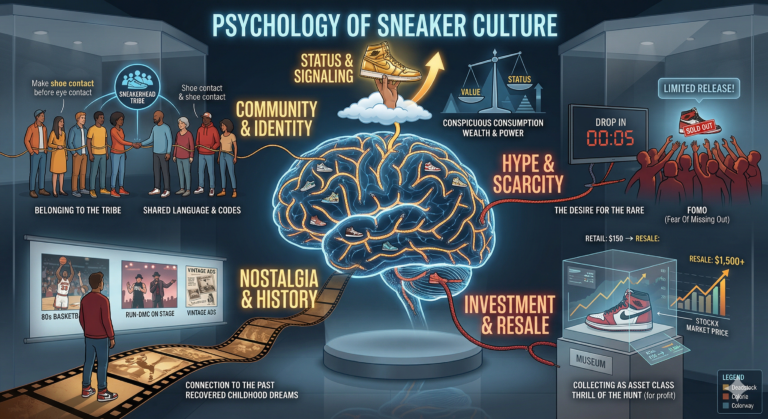
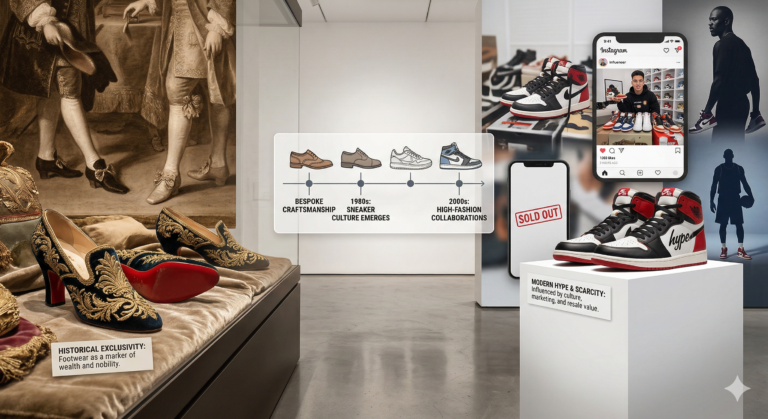
A launch campaign, repeated posts or resale listings can make a shoe highly visible. Those signals do not establish total ownership, everyday use or future value. Look for a named dataset and period before repeating market-growth claims.
Scarcity can be part of a retail strategy, but it does not prove quality or make a purchase financially necessary. Set a spending limit around what you want the pair for, not a promise that its value must rise.
Wear and interpretation remain personal
Try the shoe with your clothes and assess fit for your intended use. A design that carries an interesting history can still be wrong for your foot or routine. You can also appreciate the reference without buying it.
The streetwear outfit guide offers practical combinations, while the broader shoe-culture guide considers uses beyond sneakers. The culture is easier to understand when documented stories, individual preferences and commercial claims remain distinct.
Leave a Reply