

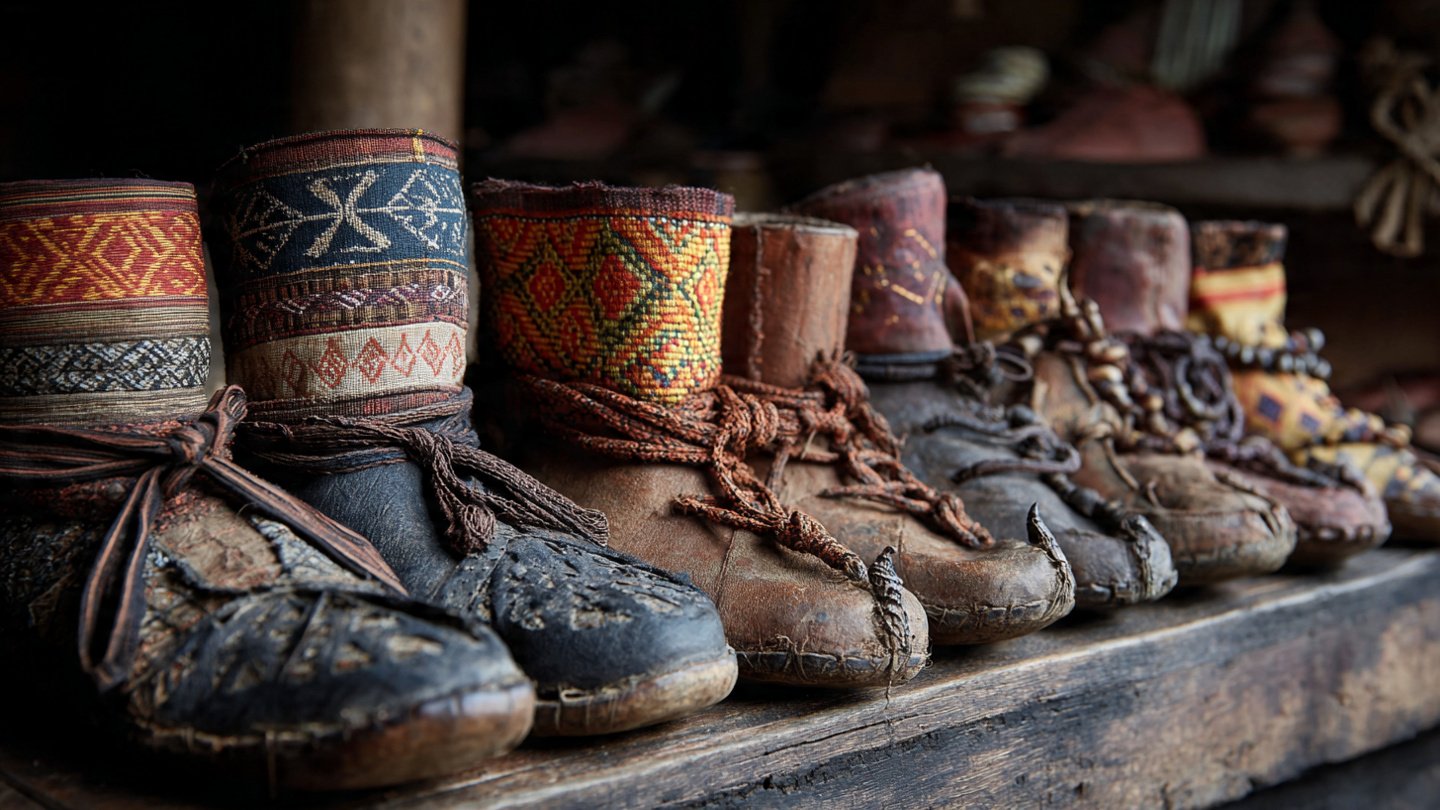
Humans have long used clothing to communicate their social standing. Long before the era of designer sneakers and red-soled stilettos, footwear served as a powerful indicator of class, wealth, and power. Looking at the Evolution of Shoes From Ancient to Modern Times shows a fascinating shift. Originally, shoes were purely functional, designed to protect feet from harsh terrain and extreme weather. However, as societies grew more complex, so did the garments people wore.
The rise of luxury footwear in early societies mirrored the accumulation of wealth among ruling classes. When basic survival needs were met, elites began seeking ways to visually separate themselves from the working public. A clear connection emerged between extreme wealth and intricate shoe design. High-status individuals wore shoes that were entirely impractical for manual labor, sending a clear message about their privileged lifestyle.
Understanding Why Humans Care About Shoes requires looking back at these early social structures. Footwear was never just about covering the foot. It was an outward projection of identity, resources, and authority. By examining the materials, craftsmanship, and cultural significance of early luxury shoes, we can see exactly how footwear became the ultimate status symbol.
Early Examples of Luxury Footwear in History
As civilizations established distinct social hierarchies, footwear became a primary method for distinguishing social classes. From the hot deserts of Egypt to the bustling streets of Rome, early luxury shoes were reserved for those at the top. The Origin of Shoes reveals that while commoners walked barefoot or wore simple coverings, the elite stepped out in elaborate designs.
Decorative Sandals in Ancient Civilizations
In ancient Egypt, the pharaohs and high-ranking officials wore sandals crafted from woven reeds and palm leaves, often adorned with precious jewels or gold leaf. The average citizen usually went barefoot. Similarly, in ancient Rome, the style and color of a sandal directly communicated a person’s rank. Senators wore specific red shoes, while soldiers and peasants wore heavy, functional boots.
Royal and Noble Footwear
During the Middle Ages and early Renaissance, European royalty took shoe fashion to extreme lengths. The “poulaine” or “crakow” was a shoe with an elongated, pointed toe. The length of the toe was legally restricted based on social rank. Only nobility could wear the longest points, which sometimes had to be tied to the knee with ribbons just so the wearer could walk.
Exclusive Materials and Designs
These early luxury shoes utilized materials that were difficult to source and maintain. Silk, velvet, and delicate animal skins were favored by the wealthy precisely because they would ruin quickly if exposed to mud or dirt. Wearing such fragile designs proved that the owner did not have to walk through the dirty streets or work in the fields.
Materials That Defined Luxury Footwear
The materials used to craft a shoe have always been immediate indicators of wealth. The distinction between Leather vs Synthetic Shoe Materials we see now has its roots in the historical divide between rare, imported fabrics and common, local textiles.
Premium Leather and Exotic Materials
While peasants might wear shoes made from rough, unrefined animal hides or woven plant fibers, the elite demanded perfection. Shoemakers used ultra-soft calfskin, goat leather, and exotic skins imported from distant lands. These premium leathers were supple, comfortable, and took dyes beautifully, allowing the wealthy to wear vibrant colors that were otherwise impossible to achieve.
Gold, Embroidery, and Ornamentation
A true luxury shoe was a canvas for art. Nobles commissioned footwear decorated with gold thread, pearls, and intricate silk embroidery. Hand-stitched floral patterns and family crests were common additions. This level of ornamentation transformed a basic necessity into a wearable piece of jewelry.
Handcrafted Construction
The wealthy did not wear mass-produced items. The debate of Handmade Shoes vs Factory Shoes originates here. Every luxury shoe was constructed entirely by hand, tailored exactly to the measurements of the wearer’s foot. This bespoke approach guaranteed a perfect fit and allowed for limitless customization, further separating elite footwear from the generic shapes worn by the lower classes.
Craftsmanship and Exclusivity in Early Luxury Shoes
Craftsmanship dramatically increased the value of early footwear. It was the skill of the artisan, combined with the rarity of the materials, that elevated a shoe to luxury status. Choosing Handmade Shoes vs Factory Shoes today still echoes this historical appreciation for dedicated human labor.
Custom-Made Footwear
Before standardized sizing existed, all shoes were essentially custom-made. However, the wealthy employed dedicated shoemakers who retained wooden models of their clients’ feet. These artisans would spend weeks constructing a single pair of shoes, ensuring the arch support, instep, and toe box were flawlessly aligned.
Skilled Artisan Shoemakers
Master shoemakers were highly respected professionals. They held closely guarded secrets regarding leather tanning, dyeing techniques, and stitching patterns. Wealthy patrons would fiercely compete for the services of the most renowned artisans, knowing that wearing a masterpiece from a famous shoemaker brought immense social prestige.
Limited Production
By nature, these luxury shoes were limited in production. An artisan could only create a few pairs a month. This scarcity fueled desire among the elite. Owning multiple pairs of custom, handcrafted shoes was a massive display of disposable income and social leverage.
Cultural Meaning of Luxury Footwear
Throughout history, shoes have functioned as powerful status symbols and social hierarchy markers. Cultural Footwear Around the World shows that almost every organized society used footwear to enforce gender and class distinctions.
In imperial China, the practice of foot binding among wealthy women necessitated incredibly small, beautifully embroidered silk shoes known as lotus shoes. These shoes became a symbol of status and wealth, indicating that the woman’s family was affluent enough that she did not need to work. In Europe, the introduction of the heel was initially a riding accessory for aristocratic men, serving as a symbol of military prowess and wealth before transitioning into women’s fashion. Footwear fundamentally served as a visual shorthand for a person’s identity and their exact place in society.
Evolution of Luxury Footwear Through Historical Eras
Luxury footwear has constantly evolved alongside society, reflecting changes in technology, politics, and global trade.
Renaissance Luxury Fashion
During the Renaissance, wealthy citizens embraced wider, more robust shoe styles. Renaissance Shoe Fashion Trends favored square-toed shoes made from rich velvets and silks, often slashed to reveal colorful silk linings underneath. This era celebrated abundance, and footwear became wider and more heavily decorated to match the voluminous clothing of the time.
Victorian Elegance in Shoes
The Industrial Revolution changed how shoes were made, but the upper classes still demanded exclusivity. Victorian Era Boots and Formal Shoes focused on refined elegance. Women wore delicate, narrow boots with tiny heels, emphasizing a small foot. Men’s formal shoes became sleeker and more polished, relying on high-quality patent leather rather than extreme shapes to convey status.
Transition into Modern Luxury Brands
As the 20th century approached, the focus shifted from anonymous skilled artisans to named designers. The foundation for modern luxury was laid as specific brands and fashion houses began to establish international reputations for quality and exclusivity.
Luxury Footwear vs Everyday Shoes
The historical gap between elite and common footwear was vast. Traditional Shoes vs Western Footwear comparisons often highlight how everyday shoes prioritized durability and function. Working-class shoes were made of thick, stiff leather or carved from wood (like the European sabot). They were built to last years and withstand harsh weather.
Luxury footwear ignored practicality. The differences in materials and design heavily favored aesthetics over comfort or durability. Exclusivity meant wearing something fragile. If a silk slipper was ruined after one ball, the wealthy owner would simply commission another, reinforcing their financial superiority.
The Influence of Early Luxury Shoes on Modern Fashion
The historical obsession with footwear paved the way for the massive designer footwear industry we see now. Status-driven fashion trends still dominate the market. When consumers purchase high-end designer sneakers or luxury heels, they are participating in a tradition of premium branding that dates back centuries. Modern fashion frequently references the past, with Retro Silhouettes Making a Comeback on international runways, proving that the desire to showcase wealth through unique shoe shapes remains entirely relevant.
The Future of Luxury Footwear
Looking ahead, the definition of luxury continues to shift. Modern elites are increasingly prioritizing sustainable luxury materials, seeking out rare vegan leathers and eco-friendly dyes. Technology is also playing a massive role. AI-designed premium footwear allows for incredibly complex structures that human hands could not traditionally craft.
We are also seeing a return to personalized shoe experiences. Brands are utilizing 3D scanning to create bespoke fits, blending the ancient tradition of custom cobbling with modern science. Concepts like Futuristic Shoe Shapes and The Future of Shoes: Technology & Innovation highlight that while the tools change, the desire for exclusive, cutting-edge footwear remains a constant human trait.
Footwear as a Timeless Symbol of Status
From ancient Egyptian sandals woven with gold to the elaborate velvet slippers of European royalty, shoes have always communicated a profound social message. They evolved from basic protective gear into intricate cultural and social markers that defined human hierarchies. By dictating who could wear specific colors, shapes, and materials, societies used footwear to visually enforce class divides. The core reason Why Humans Care About Shoes has not changed; we still use our footwear to tell the world exactly who we are, making shoes an enduring and timeless symbol of status.
Leave a Reply