

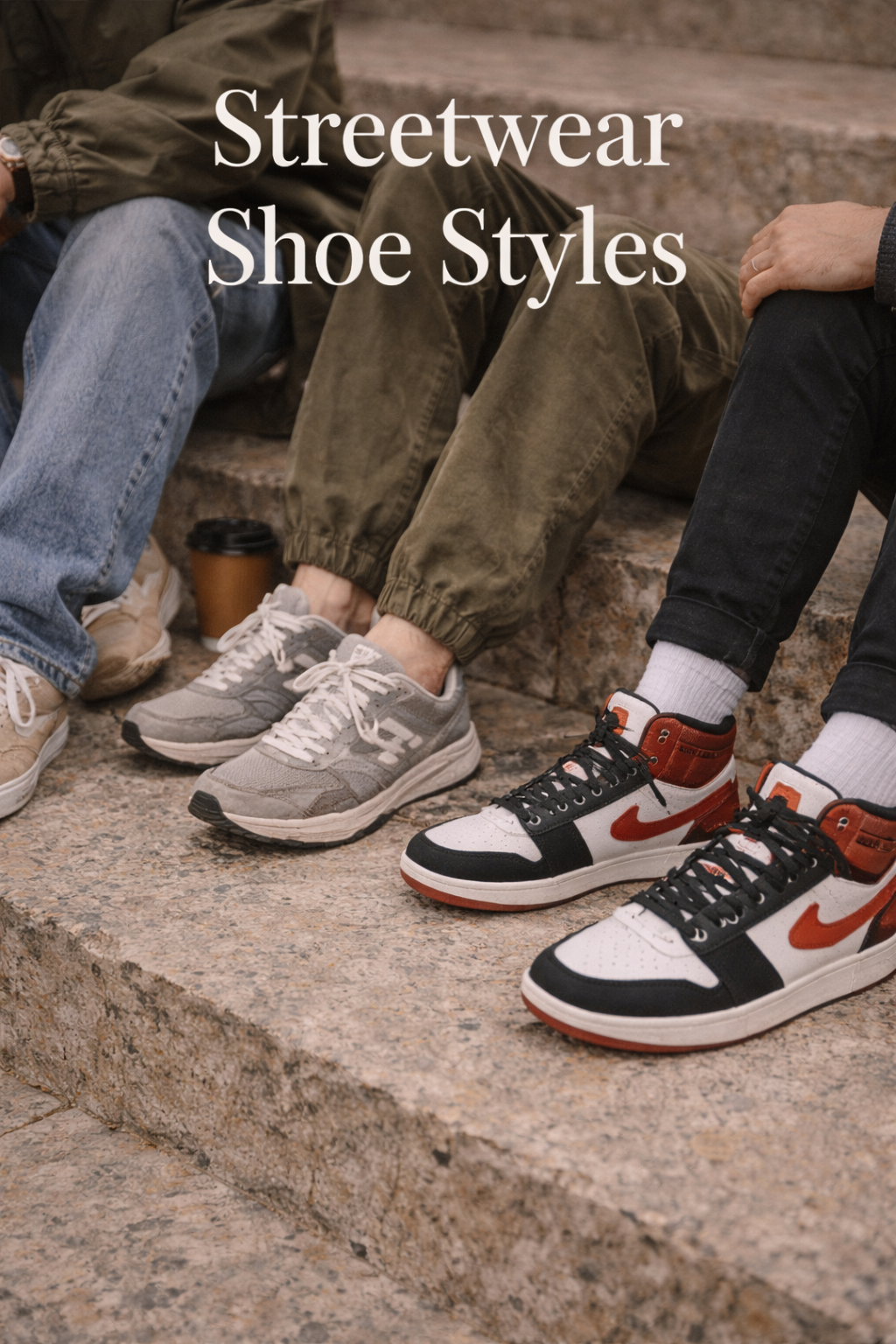
Streetwear is more than just clothing; it is a cultural movement that prioritizes comfort, exclusivity, and self-expression. At the very foundation of this aesthetic lies footwear. For decades, shoes have acted as the anchor of urban fashion, transforming from purely functional athletic gear into high-value collectibles and artistic statements.
To understand streetwear shoe styles is to understand a timeline of youth culture, music, and athleticism. From the concrete courts of 1980s New York to the runways of Paris today, the evolution of the sneaker mirrors the evolution of modern style itself. This guide explores the history, design philosophy, and styling nuances of streetwear footwear, providing a comprehensive look at how rubber and leather became the currency of cool.
What Defines Streetwear Shoe Styles?
Streetwear footwear is characterized by a blend of athletic heritage, bold design, and cultural signaling. Unlike traditional formal wear, which relies on rigid rules of etiquette, streetwear is fluid. It borrows heavily from skateboarding, basketball, hip-hop, and surf culture.
The defining trait of a streetwear shoe is its ability to bridge the gap between performance and lifestyle. A shoe might be engineered for the NBA finals, but in the context of streetwear, its value is derived from its aesthetic appeal and the cultural cachet attached to it. It is a visual language where a specific silhouette or colorway communicates the wearer’s knowledge of fashion history and current trends.
Read Here: Classic Sneaker Silhouettes That Changed Fashion History
Evolution of Streetwear Footwear
The trajectory of streetwear shoes began in the 1970s and 80s. Early adoption was driven by necessity and availability. In New York City, the rise of hip-hop culture saw B-boys and MCs adopting basketball sneakers like the Puma Suede and the Adidas Superstar. These shoes were durable, comfortable for breakdancing, and looked pristine against the backdrop of gritty urban environments.
The pivotal moment arrived in 1985 with the release of the Air Jordan 1. This wasn’t just a shoe; it was a defiance of NBA regulations and a marketing masterpiece. It shifted the paradigm, proving that sneakers could be objects of desire, not just utility.
Throughout the 90s and 2000s, skate culture introduced a different silhouette—flat-soled, padded, and resilient—pioneered by brands like Vans and DC. Simultaneously, the “dad shoe” phenomenon of the late 2010s brought chunky, orthopedic-looking runners into the high-fashion conversation, proving that irony is a powerful force in streetwear design. Today, the lines are blurred. Luxury houses like Balenciaga and Gucci produce high-end sneakers that mimic the aesthetics of streetwear, validating the style as a dominant force in global fashion.
Key Features of Urban Sneakers
While styles vary, several technical and design elements unify streetwear footwear:
- Prominent Branding: Logos are often central to the design, serving as a badge of authenticity. The “Swoosh,” the “Three Stripes,” or the “Off the Wall” tab are integral to the shoe’s identity.
- Material Mix: Designers frequently combine leather, suede, mesh, and synthetic overlays. This adds texture and depth to the shoe, preventing it from looking flat.
- Silhouette exaggeration: Whether it is an oversized sole, an extended tongue, or a high-top collar, streetwear shoes often play with proportion to create a silhouette that stands out against baggy or tapered trousers.
- Limited Edition Drops: The scarcity model is a key feature. Many streetwear styles are released in limited quantities, driving hype and resale value, turning footwear into an asset class.
Comfort vs. Statement Style
A persistent tension in streetwear design exists between comfort and visual impact. Originally, sneakers were adopted because they were more comfortable than hard-bottomed dress shoes. Technologies like Nike Air, Adidas Boost, and Asics Gel were developed to cushion the impact of sports.
However, as streetwear became more avant-garde, “statement style” occasionally took precedence. Heavy, chunky soles or deconstructed designs sometimes sacrifice weight and flexibility for a specific look. The ideal streetwear shoe strikes a balance: it should offer enough support for a day of city walking while possessing the architectural interest to anchor an outfit. The modern consumer demands both; a shoe that looks incredible but hurts to wear is rarely adopted as a daily staple in the streetwear community.
Popular Streetwear Shoe Styles
Understanding the archetypes of streetwear footwear is essential for building a versatile rotation. These categories represent the pillars upon which modern urban style is built.
Chunky Sneakers
Often referred to as “dad shoes,” chunky sneakers are defined by their exaggerated outsoles, complex upper paneling, and retro-athletic aesthetic. This style saw a massive resurgence in recent years, reacting against the sleek, sock-like runners that dominated the mid-2010s.
The appeal of the chunky sneaker lies in its deliberate uncool-cool factor. It commands attention through volume. Brands often use multiple layers of leather and mesh to create a busy, intricate look. The oversized sole provides a platform effect, adding height and altering the wearer’s posture. Styling these requires balancing the visual weight; they pair exceptionally well with wide-leg trousers or baggy cargo pants, as skinny jeans can make the feet look disproportionately large.
Retro Basketball Sneakers
The undisputed kings of streetwear, retro basketball sneakers are the foundation of sneaker culture. These are re-releases (retros) of performance shoes from the 80s and 90s. The Air Jordan line is the primary example, but classic silhouettes from Reebok, Converse, and New Balance also fit this category.
These shoes are characterized by high-top or mid-top cuts, substantial ankle support, and bold color blocking. The “Chicago” colorway (red, white, and black) or the “Royal” (blue and black) are iconic palettes that have transcended sport. Because these shoes carry historical weight, wearing them is often seen as a nod to the golden era of basketball. They are versatile enough to be worn with shorts, jeans, or even relaxed tailoring.
Skate Shoes
Skate shoes bring a gritty, utilitarian edge to streetwear. Born from the empty swimming pools of California, these shoes are designed to grip a skateboard deck and withstand the abrasion of grip tape.
Aesthetically, they are generally lower profile than basketball sneakers. They feature flat, vulcanized rubber soles and durable canvas or suede uppers. The beauty of skate shoes—particularly models like the Vans Old Skool or the Nike SB Dunk—is that they often look better with age. A scuff or a fade adds character, implying that the wearer actually uses them. In modern streetwear, the “puffy” skate shoe of the early 2000s is making a comeback, offering a nostalgic, wider silhouette that complements loose-fitting denim.
High-Top Sneakers
While many basketball shoes are high-tops, this category also includes lifestyle-specific designs. High-tops extend over the ankle, offering a distinct silhouette that interacts with the hem of the pant leg.
The classic canvas high-top is perhaps the most universally recognized shoe in the world. It is slim, unassuming, and fits into almost any sub-genre of streetwear, from grunge to preppy. On the luxury end, high-fashion brands often utilize the high-top silhouette to showcase premium materials, using the expansive upper as a canvas for artwork, zippers, or buckles. High-tops shorten the leg line visually, so they are often styled with cuffed pants or shorts to expose the full design of the shoe.
Minimalist Street Sneakers
In contrast to the loud colors and heavy branding of other styles, minimalist sneakers focus on clean lines, premium materials, and subtlety. This style gained traction as streetwear matured and began intersecting with “smart casual” menswear.
A minimalist street sneaker usually features a monochrome palette—often stark white, black, or grey. Branding is stripped back or removed entirely. The focus shifts to the quality of the leather and the shape of the last (the mold upon which the shoe is built). These are the chameleons of streetwear; they can be worn with a hoodie and sweatpants, but they look equally appropriate with a suit. They represent the “grown-up” side of street culture.
Read Here: The Psychology of Sneaker Culture and Modern Identity
How to Style Streetwear Shoes
Possessing the right shoes is only half the battle; understanding how to integrate them into an outfit is what separates a collector from a stylist.
Casual Everyday Outfits
For daily wear, the goal is effortless cohesion. A standard formula involves pairing retro runners or low-top skate shoes with straight-leg denim and a graphic t-shirt. The key here is the “break” of the pant—where the fabric hits the shoe. A slight break that rests on the tongue of the sneaker looks relaxed and intentional.
If wearing minimalist sneakers, the look can be elevated with high-quality basics. Think heavyweight cotton t-shirts, selvedge denim, and a chore coat. The clean lines of the shoes reflect the clean lines of the clothing, creating a uniform that feels curated but comfortable.
Oversized and Layered Looks
Streetwear often plays with volume. When wearing oversized hoodies, boxy jackets, or puffer coats, the footwear must anchor the silhouette. This is where chunky sneakers or substantial high-tops shine.
A slim, low-profile shoe can get lost under layers of heavy fabric, making the wearer look top-heavy. A bulkier shoe balances the visual weight. When layering, consider the color palette. If the outfit involves neutral earth tones (olive, beige, charcoal), a sneaker that incorporates these colors connects the top and bottom halves of the outfit. Alternatively, a brightly colored sneaker can serve as the “pop” in an otherwise monochrome layered look.
Smart Streetwear Styling Tips
The convergence of streetwear and tailoring is one of the most exciting developments in modern fashion. Styling sneakers with a suit or trousers requires precision.
- The Hem: The trousers should be hemmed perfectly. They should either crop just above the ankle bone (to show off the shoe) or have a clean break. Puddling fabric over a dress shoe looks sloppy; puddling fabric over a sneaker looks unintentional.
- The Shoe Condition: When mixing formal and street, the sneakers must be pristine. A beat-up skate shoe rarely looks good with a blazer. A fresh, clean minimalist sneaker or a crisp retro basketball shoe provides the necessary polish.
- The Contrast: Embrace the contrast. A structured wool coat worn with a hoodie and technical sneakers creates a dynamic mix of textures (wool vs. synthetic) and formalities (luxury vs. sport).
How to Choose the Right Streetwear Shoes
Building a rotation is an investment. Selecting the right pairs ensures that your collection serves your style rather than gathering dust.
Fit, Comfort, and Cushioning
Never sacrifice fit for hype. Streetwear is rooted in movement. If a shoe pinches the toes or causes heel slippage, it will disrupt your gait and your confidence.
Different brands fit differently. For example, some Italian-made luxury sneakers run large, while specific athletic models run narrow. When trying on shoes, consider the socks you will wear. Thick athletic socks require more room than thin dress socks. Pay attention to the midsole technology. If you are going to be on your feet all day, look for EVA foam, air units, or gel cushioning. A flat, vulcanized sole offers less support and might be better suited for shorter durations.
Colorways and Trend Selection
It is easy to get swept up in the “drop of the week,” but the most stylish individuals curate their palette.
- The Anchor: Every rotation needs a neutral anchor—a white, black, or grey pair that works with 90% of your wardrobe.
- The Statement: Once the basics are covered, look for a statement piece. This could be a neon colorway, a bold pattern, or a unique material like patent leather or pony hair.
- Trend Longevity: Ask yourself if a trend has staying power. Classic silhouettes (Jordan 1, Air Force 1, Chuck Taylor) have survived decades. Extremely niche, avant-garde trends often burn out in a season. Investing in classics is always safer than chasing micro-trends.
Materials and Durability
The material dictates how the shoe will age.
- Leather: Full-grain leather is durable and molds to the foot over time. However, cheap, plastic-coated leather will crease unpleasantly and crack.
- Suede/Nubuck: These materials offer a beautiful, soft texture and rich color depth, but they are fragile. They attract dirt and suffer in the rain.
- Knit/Mesh: Lightweight and breathable, perfect for summer. However, they are difficult to clean if stained.
- Gore-Tex/Synthetics: Practical for all-weather wear. These are increasingly popular in the “gorpcore” (outdoor-inspired) subgenre of streetwear.
Common Streetwear Footwear Mistakes
Even with high-quality pieces, execution errors can undermine a look.
Following Trends Without Comfort
There is a noticeable difference in body language when someone is uncomfortable. Squeezing into a hyped shoe that is a size too small, or wearing a heavy, clunky boot that makes walking difficult, projects insecurity. True style looks effortless. If you are limping or constantly adjusting your shoes, the aesthetic value is lost.
Poor Outfit Balance
The “silhouette” is the outline of your outfit. A common mistake is wearing skinny jeans with massive, chunky sneakers, creating a “clown shoe” effect. Conversely, wearing incredibly wide, baggy pants with tiny, slim slip-ons can make it look like you have no feet at all. The volume of the pant leg should generally correspond to the volume of the shoe.
Ignoring Versatility
Buying a shoe that only matches one specific shirt or pair of pants is a trap. This leads to a closet full of shoes but “nothing to wear.” A versatile shoe should work with at least three different outfits you already own. If you have to buy an entirely new wardrobe just to make a pair of shoes work, reconsider the purchase.
Read Here: Hybrid Lifestyle Sneakers
FAQ – Streetwear Shoe Styles
What shoes are popular in streetwear fashion?
Currently, popularity is divided between retro basketball styles (like the Nike Dunk and Air Jordan), technical runners (like New Balance 990s and Salomon), and classic heritage styles (like the Adidas Samba). The market is diverse, allowing for niche preferences in skate and luxury footwear as well.
Are chunky sneakers still trendy?
Yes, but they have evolved. While the exaggerated “ugly” sneaker trend of 2018 has calmed down, the preference for substantial, comfortable silhouettes remains. Technical runners with thick, supportive soles are the modern evolution of the chunky trend, focusing more on functional aesthetics than irony.
Can streetwear shoes be worn daily?
Absolutely. Streetwear shoes are born from athletic roots, making them generally more comfortable and durable than formal footwear. However, it is wise to rotate your shoes. Wearing the same pair every day accelerates wear and tear on the cushioning and the upper.
How do I style high-top sneakers?
High-tops look best when the pant leg interacts cleanly with the collar of the shoe. You can cuff your jeans to show the full shoe, wear cropped trousers, or tuck slim pants into the shoe (though this is a more specific, sometimes dated look). Avoid pants that bunch excessively around the ankle, as this creates a messy silhouette.
Which colors work best for streetwear footwear?
For beginners, “White on White” or “Black and White” are the most versatile combinations. Grey is also an excellent neutral. As you expand, classic collegiate colors (Navy, Red, Forest Green) are timeless. Earth tones (Beige, Olive, Brown) are currently very popular for their ability to blend into varied wardrobes.
The Future of Footwear
As we look toward the future of the Complete Human Shoes Evolution Project, it is clear that streetwear footwear is not a static entity. It is a living archive of our culture. We are moving toward a future of digital fashion, 3D-printed sustainability, and hyper-customization. Yet, the core desire remains the same: the human need to stand tall, move freely, and tell a story from the ground up.
Whether you are lacing up a pair of battered skate shoes or unboxing a limited-edition collaboration, you are participating in a global dialogue of design. Choose wisely, walk comfortably, and let your shoes speak for you.
Leave a Reply