

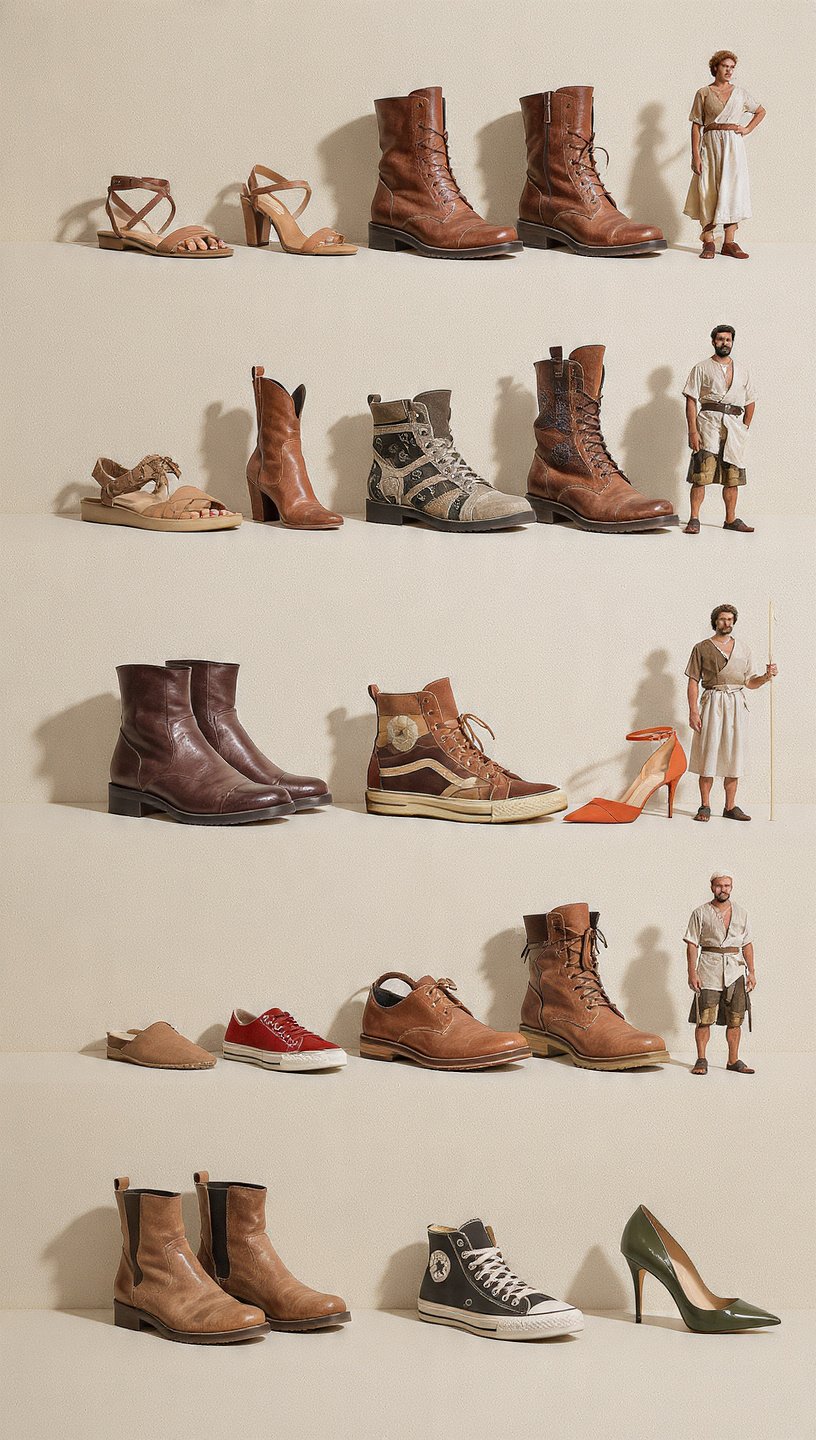
Long before the invention of high-tech foams and breathable meshes, athletes competed in the exact same footwear they wore for daily labor. Nineteenth-century runners and tennis players took to the field in stiff leather boots and hard-soled dress shoes. These early options offered virtually no shock absorption. They lacked flexibility and provided terrible traction on grass or dirt. As sports became more formalized, the need for specialized sports footwear grew undeniable. Athletes required traction to prevent slipping, comfort to endure long matches, and flexibility to allow natural foot movement.
This demand sparked a footwear revolution. Manufacturers began experimenting with new materials, eventually combining sturdy canvas with flexible rubber. This seemingly simple combination marked the birth of dedicated athletic shoes. It fundamentally changed how humans participate in physical activity. Understanding the Evolution of Shoes From Ancient to Modern Times provides a fascinating look at human ingenuity and our enduring drive to run faster, jump higher, and perform better.
Early Athletic Shoes and Rubber Sole Innovation
The transition from rigid leather to flexible athletic wear did not happen overnight. It required a massive leap in material science, specifically regarding rubber.
Rise of Rubber-Soled Sports Shoes
During the 1830s, the invention of vulcanized rubber changed the manufacturing landscape. Vulcanization made rubber stable, preventing it from melting in the heat or cracking in the cold. Shoemakers quickly realized this durable, grippy material was perfect for footwear. By the late 19th century, companies were mass-producing canvas shoes with rubber soles. People affectionately called them “plimsolls.” They were rudimentary, lacking the concept of a right or left foot, but they provided unparalleled grip.
Early Running and Tennis Footwear
Tennis players were among the first to adopt these rubber-soled shoes. The soft rubber did not tear up the pristine grass courts, and it allowed players to pivot quickly. Around the same time, runners began seeking out specialized footwear. Shoemakers started adding small metal spikes to the bottom of running shoes to help sprinters grip cinder tracks. These early spiked shoes were entirely custom-made for elite athletes.
Development of Flexible Outsoles
As the 19th century drew to a close, manufacturers refined The Birth of Rubber Soles. They started carving patterns into the bottom of the rubber to increase grip. This development of flexible outsoles allowed the foot to bend naturally during a sprint or a sudden stop. It was a massive upgrade from the stiff leather bottoms of the past, setting the stage for the modern athletic shoe industry.
Athletic Shoes in the Early 20th Century
As sports transitioned from casual pastimes to highly competitive, organized events, the equipment had to keep pace. The early 1900s saw a rapid acceleration in footwear innovation.
Growth of Organized Sports
The revival of the Olympic Games and the establishment of professional sports leagues created a massive new market. Athletes needed gear that could provide a distinct competitive advantage. Performance became a primary design priority. Shoemakers started working directly with athletes to understand the specific mechanics of different sports.
Emergence of Specialized Running Shoes
Running shoes saw significant advancements during this era. Companies began crafting shoes with lighter leathers and more aerodynamic shapes. The focus shifted to reducing the weight of the shoe as much as possible while maintaining structural integrity. Track and field athletes benefited from precisely placed spikes and snugger fits that prevented blisters during long races.
Early Sneaker Silhouettes
This era also birthed some of the most enduring designs in footwear. The term “sneaker” was coined because the rubber soles allowed wearers to walk silently. Companies introduced high-top canvas shoes designed specifically for the newly invented game of basketball. These early designs offered ankle support and serious traction on wooden gymnasium floors. Many of these Classic Sneaker Silhouettes in History remain virtually unchanged and incredibly popular today.
The Rise of Modern Sneakers
Following World War II, a heightened focus on physical fitness swept across the globe. This cultural shift, combined with new manufacturing capabilities, led to the rise of the modern sneaker.
Basketball Shoes and High-Top Designs
Basketball shoes led the charge in popularity. The high-top design evolved from basic canvas to incorporate supportive leather and padded collars. Professional basketball players began endorsing specific shoe models. Fans eagerly bought the shoes their heroes wore on the court, creating a direct link between athletic performance and consumer purchasing habits.
Running Shoe Technology Advances
The jogging boom of the 1970s forced running shoes to evolve drastically. Millions of ordinary people were suddenly pounding the pavement, leading to a spike in knee and foot injuries. Footwear companies responded by creating shoes with flared heels for stability and thicker soles for impact protection. They introduced nylon uppers, which were significantly lighter and more breathable than traditional leather.
Transition from Sportswear to Lifestyle
As sneakers became more comfortable and visually appealing, people started wearing them outside the gym. Students wore them to school, and adults wore them on weekends. Sneakers officially entered mainstream fashion. The line between performance gear and everyday wear began to blur, highlighting the distinct differences and similarities between the Running Shoe vs Lifestyle Silhouette.
Technology Transforming Athletic Shoes
The late 20th century transformed shoe design from a traditional craft into a rigorously scientific discipline. Laboratories and biomechanics became just as important as the sewing machine.
Cushioning Systems
The quest for the perfect Cushioning Technologies Explained drove massive competition among rival brands. Designers moved away from simple slabs of rubber. They introduced encapsulated air pockets, specialized gel inserts, and advanced polyurethane foams. These systems were designed to absorb the kinetic energy of a footstrike and return a portion of that energy to the wearer, making running feel easier and less taxing on the joints.
Lightweight Materials
Heavy shoes slow athletes down. To combat this, manufacturers continuously searched for lighter materials. Synthetic meshes replaced heavy leathers. In recent years, seamless knit uppers have become the industry standard. These knit materials offer a sock-like fit, reducing weight while providing targeted support exactly where the foot needs it most.
Performance-Driven Design
Every element of a modern athletic shoe serves a specific purpose. Engineers use motion-capture cameras and force-plate sensors to study how the foot moves. They use this data to design shoes that correct overpronation, support the arch, and improve overall running efficiency. Understanding Shoe Soles and Midsoles reveals a complex layer cake of specialized materials designed to optimize human performance.
The Cultural Rise of Sneaker Culture
Athletic shoes eventually transcended their original purpose to become powerful cultural artifacts. The rise of sneaker culture is intimately tied to music, sports, and street fashion.
Athletes and celebrities became the ultimate tastemakers. A highly publicized endorsement deal could turn a specific shoe into a global phenomenon overnight. In the 1980s, the hip-hop community adopted certain athletic shoes as foundational elements of their uniform. Sneaker collecting emerged as a serious hobby. Enthusiasts began hunting down rare colorways and limited-edition releases, treating shoes like valuable pieces of art.
Today, the global sneaker community is massive. Dedicated conventions draw thousands of attendees. Resale markets value certain pairs at tens of thousands of dollars. Sneakers have become potent fashion symbols, communicating a wearer’s taste, affiliations, and status. Exploring The Psychology of Sneaker Culture and Modern Identity reveals how a simple piece of sports equipment became a cornerstone of modern self-expression.
Athletic Shoes Today: Performance Meets Lifestyle
Modern consumers expect their footwear to do it all. They want shoes that can handle a 5K run and still look appropriate at a casual dinner. This demand has shaped the current footwear landscape.
Hybrid Running-Lifestyle Sneakers
Brands now actively design hybrid models. These shoes feature the advanced foam midsoles and breathable knits of high-performance running shoes, but they utilize muted color palettes and sleek designs intended for everyday wear. They offer the ultimate combination of all-day comfort and versatile styling.
Oversized Sneaker Trends
Fashion continually cycles through different extremes. Recently, the Oversized Sneaker Design Trend has dominated the market. Often referred to as “chunky” or “dad” shoes, these models feature exaggerated, thick midsoles and heavily layered uppers. They prioritize a bold visual statement and maximum underfoot cushioning over lightweight performance.
Sustainable Athletic Footwear
The footwear industry is historically incredibly wasteful, relying heavily on petroleum-based plastics and toxic glues. As environmental awareness grows, brands are pivoting toward sustainability. Companies are introducing shoes made from recycled ocean plastics, plant-based foams, and biodegradable materials. The comprehensive Sustainable Shoe Materials Guide shows how the industry is trying to reduce its massive carbon footprint without sacrificing durability.
The Future of Athletic Footwear
The pace of footwear innovation shows no signs of slowing down. The next decade promises even more radical advancements in how shoes are designed, manufactured, and worn.
Designers are currently using artificial intelligence to generate Futuristic Shoe Shapes that maximize structural support while minimizing material usage. These AI-designed running shoes often feature complex, web-like midsoles that would be impossible for a human to draft manually.
Furthermore, smart wearable footwear is on the horizon. Shoes equipped with embedded sensors will soon provide real-time feedback on a runner’s stride, foot strike, and fatigue levels, sending data directly to a smartphone app. Alongside these technological leaps, sustainable manufacturing innovations will likely become mandatory. We will see an increase in 3D-printed shoes that produce zero waste during production, allowing consumers to print custom-fit shoes at their local retail store. The Future of Shoes: Technology & Innovation will prioritize deep personalization and ecological responsibility.
Athletic Shoes as the Heart of Modern Footwear Culture
The journey from rigid leather boots to AI-generated running shoes highlights a relentless pursuit of improvement. Athletic shoes were born out of a strict necessity for better athletic performance, but they have grown into something far more significant.
They dictate global fashion trends, fuel billion-dollar secondary markets, and serve as a canvas for technological innovation. The comfort and aesthetic appeal of sports footwear have permanently altered what people expect from their shoes. By understanding the Evolution of Shoes From Ancient to Modern Times, it becomes clear that athletic shoes are no longer just a subcategory of the footwear industry. They are the undeniable foundation of modern footwear culture, shaping how we move, how we express ourselves, and how we step into the future.
Leave a Reply