

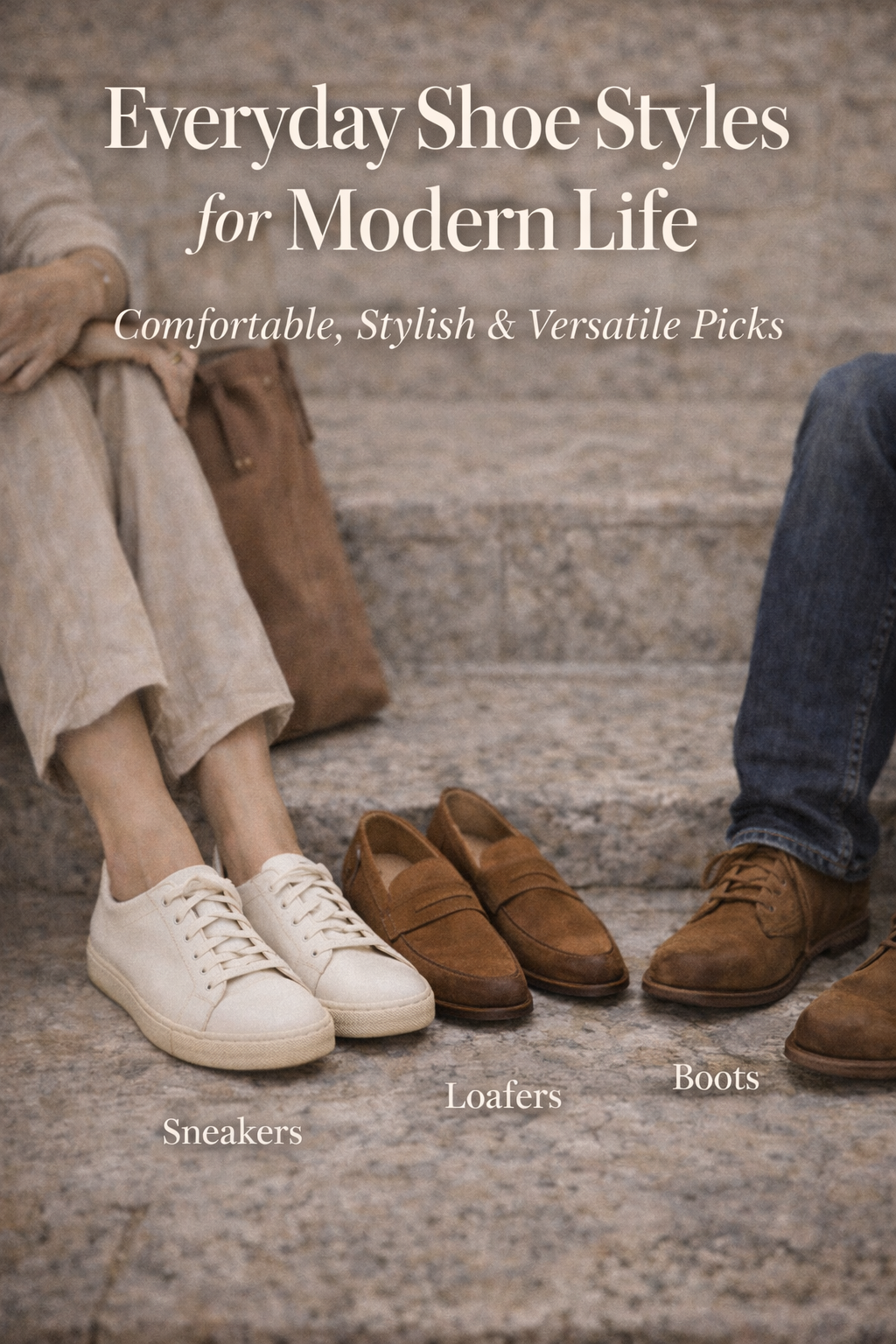
For most of human history, footwear was purely utilitarian—a barrier between the soft sole of the foot and the unforgiving terrain of the earth. From the woven sagebrush sandals of early indigenous Americans to the hardened leather caligae of Roman legionaries, shoes were tools of survival. Yet, as civilization advanced, footwear evolved into a complex artifact of status, identity, and technology.
In the contemporary era, the boundaries between function and form have dissolved. We no longer live in a world strictly divided into “work boots” and “dress shoes.” The modern lifestyle is hybrid, fluid, and demanding. We commute, we work in casual office environments, we travel, and we socialize—often all within a twelve-hour window. This shift has necessitated the rise of “everyday” footwear: a category that defies rigid classification, prioritizing versatility without sacrificing aesthetic intent.
Understanding everyday shoe styles requires looking through the lens of an evolutionist and a designer. It is not merely about picking a color; it is about understanding the silhouette, the materials, and the engineering that allow a shoe to function as an extension of the modern human body. This guide explores the essential styles that define the current epoch of footwear, offering a blueprint for building a rotation that is as comfortable as it is culturally relevant.
Read Here: Complete Guide to Types of Shoes
Why Everyday Shoe Styles Matter in Modern Life
The concept of the “everyday shoe” is a relatively recent phenomenon. For centuries, social class dictated footwear. The aristocracy wore delicate silks and heels that rendered manual labor impossible, while the working class wore heavy, durable leathers. There was no middle ground. The democratization of fashion in the 20th century, accelerated by mass manufacturing and the invention of vulcanized rubber, changed everything.
Comfort vs Style Balance
The historic tension in footwear design has always been the battle between comfort and aesthetics. In the Victorian era, a “stylish” foot was a small foot, leading to restrictive shapes that deformed the skeletal structure. Conversely, comfortable shoes were often orthopedic and visually unappealing.
Today, that binary is obsolete. Advances in material science—specifically the development of EVA (ethylene-vinyl acetate) and PU (polyurethane) foams—have allowed designers to hide athletic-grade cushioning inside sleek, leather silhouettes. We are currently living through the “Sneakerization” of footwear. Even traditional dress shoes now often feature proprietary gel inserts and flexible rubber soles. The modern consumer refuses to suffer for style, demanding that their footwear supports the biomechanics of walking while maintaining a sharp visual profile.
Changing Lifestyle and Footwear Trends
The erosion of the strict corporate dress code is perhaps the single biggest driver of modern shoe trends. The suit-and-tie standard has largely vanished from creative and tech industries, replaced by “smart casual.” This shift created a vacuum that was filled by high-end sneakers, desert boots, and loafers.
Furthermore, urbanization has changed how we move. The modern urbanite walks significantly more than the suburban commuter of the 1950s. We navigate concrete pavements, subway stairs, and office corridors. This activity level demands shock absorption and traction. We are returning to a more pedestrian-focused existence, and our shoes have evolved to meet the pavement.
Choosing Shoes for Daily Versatility
In an era of conscious consumption and capsule wardrobes, versatility is the ultimate luxury. A truly great everyday shoe is a chameleon. It is the “Third Place” of footwear—not quite a gym shoe, not quite a tuxedo shoe, but something that exists comfortably in between.
The goal of the modern wardrobe is efficiency. We seek footwear that can transition from a morning client meeting to an evening gallery opening without looking out of place in either setting. This requires a nuanced understanding of “visual weight”—how chunky or sleek a shoe looks—and how that silhouette interacts with different trouser breaks and hem widths.
Most Popular Everyday Shoe Styles
To build a functional rotation, one must understand the archetypes. These styles have survived decades (and sometimes centuries) of trend cycles to become staples of the human wardrobe.
Sneakers for Casual and Active Wear
The sneaker is the defining footwear of the 20th and 21st centuries. Originating as “plimsolls” in the 1800s for vacationers, they exploded in popularity with the fitness boom of the 1970s. However, the everyday sneaker differs significantly from the performance running shoe.
The Retro Runner:
Drawing inspiration from 1970s track shoes, these feature suede and nylon uppers with waffle-tread gum soles. They offer a nostalgic, low-profile silhouette that pairs exceptionally well with denim. They are less about technical performance and more about a relaxed, vintage aesthetic.
The High-Top:
Born on the basketball courts of the early 1900s, the high-top canvas or leather sneaker offers ankle coverage and a distinct visual statement. While they originated as athletic equipment, they are now firmly lifestyle pieces. They provide a youthful edge and work well with cuffed trousers that showcase the height of the shoe.
Loafers for Smart Casual Looks
The loafer is a testament to the evolution of leisure. Its origins are traced back to Norwegian dairy farmers in the 1930s, whose slip-on “Aurland” moccasins caught the eye of American travelers. Esquire magazine championed them, and they became the “Weejun.”
The Penny Loafer:
Characterized by the leather strap across the vamp with a slit (originally used to hold a payphone coin), this is the quintessential everyday shoe. It bridges the gap between formal and casual perfectly. In black leather, it works with a gray suit; in brown suede, it pairs with jeans.
The Horsebit Loafer:
Introduced by Gucci in the 1950s, the addition of a metal snaffle bit elevated the humble loafer to a luxury status symbol. Today, it remains a powerful choice for those wanting to add a touch of hardware and sophistication to a simple outfit.
Minimalist Trainers for Urban Style
If the Oxford shoe was the staple of the 1920s, the minimalist leather trainer is the staple of the 2020s. This style strips away all superfluous details—no logos, no flashy colors, no complex paneling.
The Design Philosophy:
The architecture of a minimalist trainer is based on the “Cupsole” construction. The rubber sole unit cups the upper leather, stitched or glued for durability. The silhouette is sleek and aerodynamic.
Why It Works:
Because they lack athletic branding, these shoes mimic the profile of a dress shoe but retain the comfort of a sneaker. This makes them the only socially acceptable sneaker for many business-casual environments. White, black, and grey are the dominant colors, allowing them to anchor almost any outfit without competing for attention.
Boots for All-Season Versatility
Boots were originally purely functional, designed to protect the ankle and keep out debris. Today, they are stylistic powerhouses that add ruggedness and texture to a look.
The Chelsea Boot:
Invented by Queen Victoria’s shoemaker, J. Sparkes-Hall, in the 1850s, these feature an elastic side panel for easy removal. The Chelsea boot became an icon of the Swinging Sixties in London. Its sleek, laceless profile makes it incredibly sharp and versatile. A black leather Chelsea boot is arguably the most rock-and-roll footwear choice available to the modern consumer.
The Desert Boot / Chukka:
Derived from the boots worn by British officers in WWII campaigns in Egypt, these are typically ankle-high with two or three eyelets and a crepe rubber sole. The crepe sole is soft and quiet, providing excellent comfort. Usually made of suede, they offer a softer, more relaxed texture than polished leather.
Read Here: Hybrid Lifestyle Sneakers
How to Choose the Right Everyday Shoes
Selecting the right footwear is a specialized process involving biomechanics and lifestyle analysis. It is not enough for a shoe to look good; it must perform.
Work, Travel, and Lifestyle Needs
The first step in selection is an audit of your daily movement.
- The Commuter: If you log 10,000 steps a day on city streets, look for “energy return” in the sole. EVA midsoles or modern polyurethane compounds absorb impact that would otherwise travel up your shins and knees.
- The Traveler: Security lines and swollen feet from flying demand convenience. Slip-on styles like loafers or Chelsea boots are superior here. You also need lightweight construction to avoid luggage overages.
- The Creative Professional: Your shoes are a signal of your taste. You have more latitude to experiment with bold colors, chunky soles, or “ugly-cool” trends that might be frowned upon in conservative finance settings.
Materials and Durability
The longevity of a shoe is dictated by its materials and construction method.
- Full-Grain Leather: The gold standard. It uses the entire hide, retaining durability and developing a patina (a personalized gloss and softness) over time.
- Suede: While stylish and soft, suede is hydrophilic—it loves water. It requires maintenance and sprays to survive in wet climates.
- Synthetics and Knits: Modern knit uppers (like Primeknit or Flyknit) offer incredible breathability and sock-like fit, accommodating bunions or wide feet better than rigid leather. However, they lack water resistance and structure.
- Construction: Look for stitched soles (Blake stitch or Goodyear welt) rather than cemented (glued) soles. Stitched shoes can be resoled, extending their lifespan by decades.
Comfort Features to Look For
We must respect the anatomy of the foot.
- The Toe Box: The human foot naturally splays (widens) when it strikes the ground. Many fashion shoes taper too aggressively. Look for a toe box that allows your toes to wiggle.
- Arch Support: Flat soles cause the plantar fascia to strain. If a shoe is flat inside, ensure it has a removable insole so you can add an orthotic.
- Heel Counter: This is the cup that holds your heel in place. A firm heel counter prevents pronation (rolling inward) and provides stability.
Styling Tips for Modern Everyday Footwear
The shoe anchors the outfit. It is the foundation upon which the silhouette is built.
Casual Outfits
For weekend wear, texture is key. Suede desert boots or retro runners pair beautifully with the rough texture of denim.
- The Cuff: If wearing boots or high-tops, cuff your jeans to expose the top of the shoe. This creates a clean break and stops the fabric from bunching.
- Socks: With low-top sneakers, use “no-show” socks to maintain a clean ankle line. With boots, opt for marled wool socks for a touch of rugged texture.
Business Casual Looks
This is where the minimalist leather sneaker or the penny loafer shines.
- The Trousers: Ensure your trousers are hemmed correctly. A “no break” or “slight break” (where the pant leg just touches the shoe) looks modern. Puddling fabric over a sleek sneaker looks sloppy.
- The Contrast: Pair a navy chino with a crisp white sneaker for a high-contrast, clean look. Or, go tonal with charcoal trousers and black loafers for a sleek, elongated profile.
Minimalist Wardrobe Matching
If you subscribe to a minimalist aesthetic, stick to a neutral palette for your shoes: black, white, tan, and oxblood.
- The Rule of Three: A versatile rotation might include one pair of white trainers, one pair of black boots, and one pair of brown loafers. These three pairs can cover 95% of social and professional situations.
Common Mistakes When Buying Everyday Shoes
Even seasoned shoppers fall into traps that compromise comfort and style.
Ignoring fit and support
Most adults are wearing the wrong size shoe. Feet change shape with age and pregnancy, often flattening and lengthening. Relying on the size you wore in college is a mistake. Always have your feet measured on a Brannock device, and remember that sizing varies wildly between brands (a Nike US 10 is not a Common Projects US 10).
Choosing trend over function
Buying a shoe because it is currently viral on social media, despite it not fitting your lifestyle, is a waste of resources. A chunky, heavy “dad shoe” might look great in a photo, but if you drive a manual car or have to run for a train, the weight and bulk become a hindrance. Aesthetics should never completely override biomechanics.
Buying the wrong material for climate
Functionality is geographical. Wearing white canvas sneakers in a rainy autumnal city will result in ruined shoes and wet feet. Wearing heavy leather boots in a humid tropical summer invites fungal infections and discomfort. Match the material to your meteorology.
Read Here: How to Choose the Right Shoes for Your Lifestyle
FAQ – Everyday Shoe Styles
What shoes are best for everyday wear?
The “best” shoe depends on your environment, but generally, a minimalist leather sneaker or a supportive loafer offers the highest versatility. They provide the comfort required for walking but are structured enough to look presentable in most social settings.
Are sneakers suitable for daily office use?
In 2024, yes—for most industries. However, they must be clean and in good repair. Avoid neon colors or heavily branded athletic shoes. Stick to clean, leather, or high-quality suede sneakers in neutral tones to maintain professionalism.
How many everyday shoes should you own?
A functional rotation needs at least three pairs. This allows you to rest each pair for 24 hours between wears. Leather needs time to dry out from foot perspiration; wearing the same pair every day accelerates the breakdown of the materials.
Which shoe material lasts longest?
Full-grain leather is the champion of longevity. Unlike synthetic materials which degrade and crack over time, high-quality leather fibers are tough and can be conditioned. With proper care, a full-grain leather boot can last 10 to 20 years.
How do I choose versatile shoes for travel?
Prioritize weight and removability. A slip-on Chelsea boot or loafer is ideal for airport security. Ensure the color matches everything in your suitcase (usually black or dark brown) so you don’t need to pack multiple pairs.
The Future of Our Footprints
The evolution of the everyday shoe is far from over. As we look forward, we see the integration of 3D printing technology allowing for custom-printed insoles mapped to the unique pressure points of an individual’s foot. We see a massive shift toward sustainability, with mushroom leathers and recycled ocean plastics replacing virgin resources.
But regardless of the materials, the core purpose remains the same. The everyday shoe is the vessel that carries us through our lives. It is the point of contact between the human body and the world we built. Choosing the right pair is not just a fashion statement; it is an investment in your daily experience, ensuring that every step you take is supported, confident, and undeniably yours.
Leave a Reply