

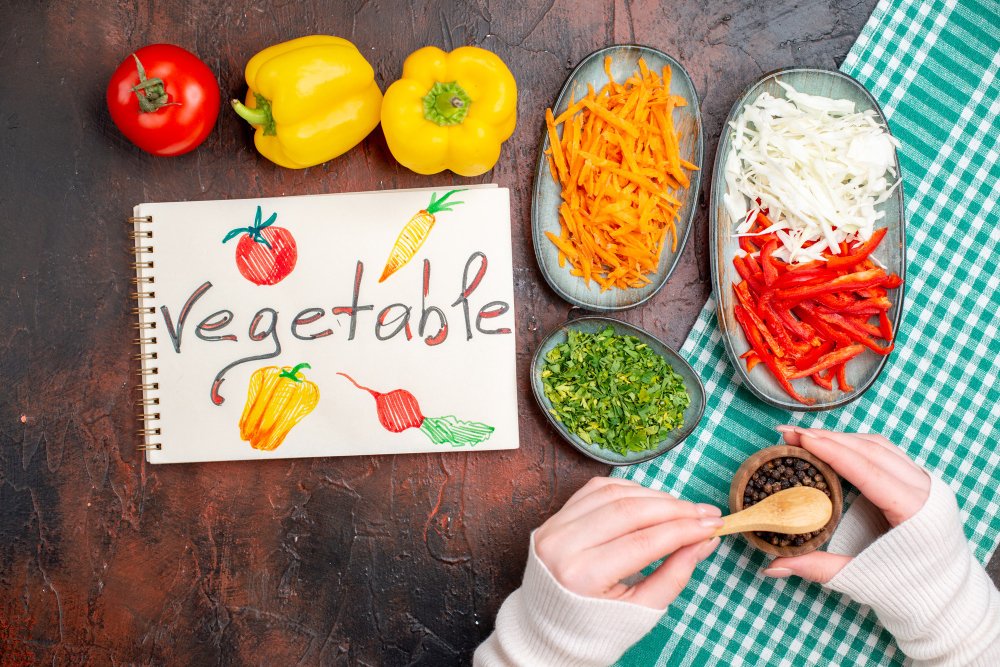
A vegetable does not have to stay crisp to be enjoyable. Some dishes aim for softness: onions cooked down into a sauce, cabbage gently simmered or carrots that can be mashed into the rest of a meal. The useful distinction is between a chosen texture and food forgotten on the heat.
This guide discusses cooking choices rather than claiming that longer cooking always improves nutrition or flavour. Different vegetables and dishes need different methods.
Decide the result before starting
Choose whether you want distinct pieces, a spoonable mixture or a base for soup or sauce. That decision affects the cut, liquid and amount of attention required. A tender vegetable for a salad has a different goal from one intended to blend into a stew.
Start with a reliable recipe when you need specific proportions. The beginner kitchen guide helps plan the equipment and sequence before several ingredients are competing for attention.
Control heat and liquid
For a gentle simmer, use enough liquid for the recipe and check it periodically. Stir or turn the vegetables where needed so the base does not catch. Add a little suitable liquid if it reduces too far before the desired softness is reached.
Browning in a relatively dry pan is different from simmering in liquid. Do not describe every long-cooked vegetable as caramelised or assume the same flavour change occurs in every method. Choose the technique for the dish you want.
Check texture as you go
Try a small piece with a fork or spoon and assess whether it suits the intended dish. Taste a properly cooked sample when appropriate, allowing it to cool enough to handle safely. A clock gives a reminder to check, not a guarantee of identical texture.
Cut size, variety and the rest of the recipe can affect the result. If one ingredient needs a different cooking time, add it later or cook it separately rather than leaving everything in until the most resistant piece softens.
Use the result in a meal
Soft vegetables can become a soup base, a sauce component or a side dish. Adjust seasoning gradually and decide whether you want to keep pieces visible or blend them. Follow appliance instructions when blending hot food.
The chicken dinner guide and corn and shrimp method offer meal combinations where you can choose the side’s texture deliberately. There is no requirement for every element on a plate to have the same firmness.
Keep cooking and storage separate
Long cooking is not a way to rescue spoiled produce or food stored unsafely. Handle ingredients appropriately and follow the USDA leftover guidance for prompt refrigeration and storage of perishable leftovers.
Record the cut, method and texture you liked so the next attempt is easier to repeat. A soft result can be intentional and useful without labelling every crisp vegetable undercooked or every long-cooked dish superior.
Leave a Reply