

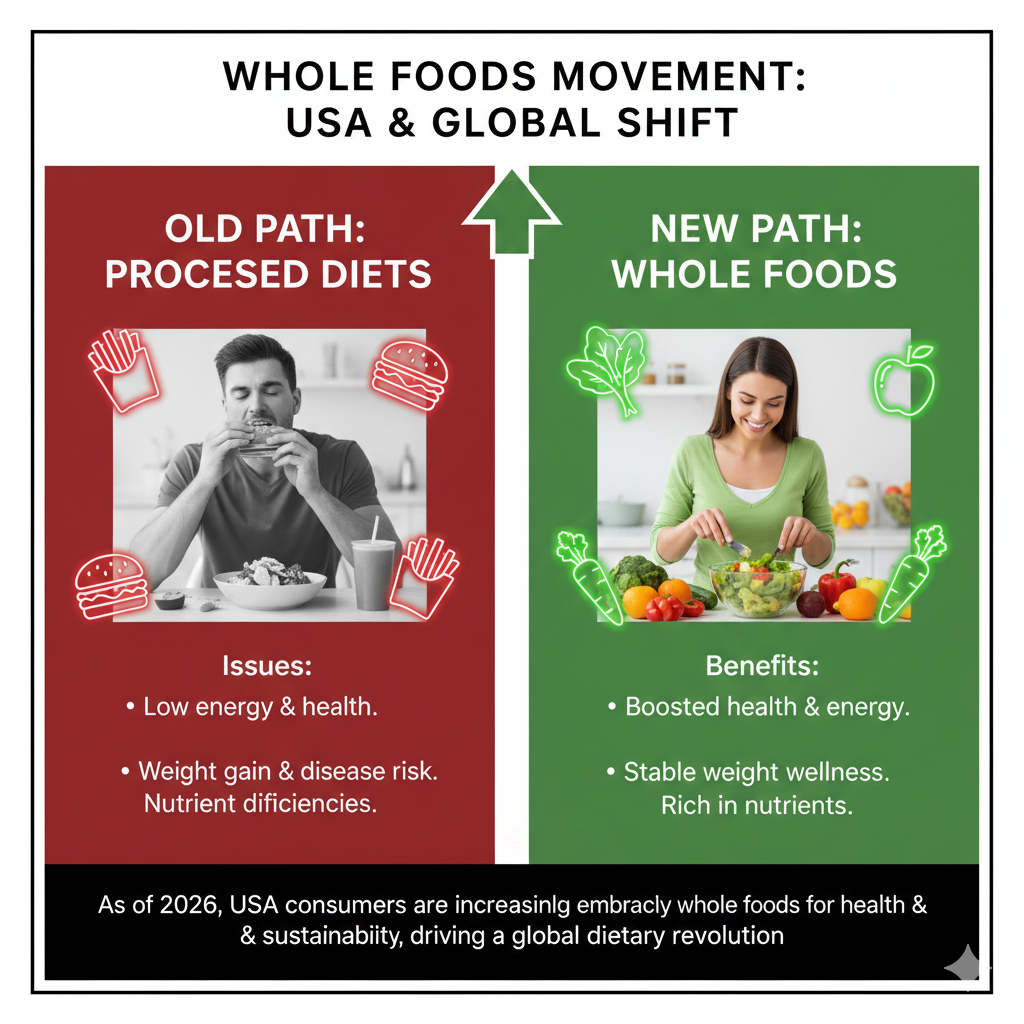
Whole foods is often used in everyday conversation for ingredients such as fruit, vegetables, grains, beans and other relatively simple foods. It is not a complete test of a meal’s suitability, and it should not turn convenience or packaged food into an automatic failure.
This guide offers practical meal-planning ideas. It does not claim a measured global shift in eating habits or promise weight loss, disease prevention or another health outcome from following one label.
Start with a meal you can make
Choose a familiar combination: a grain or other base, vegetables, and a protein source appropriate to your needs. A bean-and-rice bowl, vegetable soup or chicken dinner are examples rather than a required pattern for everyone.
Plan around time, equipment, access and preferences. The beginner kitchen guide helps keep the first version manageable. A useful meal does not need a long ingredient list or a specialist product.
Use storage options that fit your routine
Fresh, frozen, dried and canned ingredients can serve different practical roles. Check the actual product, storage instructions and any preparation needed. Choose quantities you can use rather than buying a large amount because the package suggests a wholesome image.
A frozen vegetable or canned bean can be useful when it reduces preparation or waste. Read the label for additions and preparation directions rather than assuming all products in a category are identical.
Read nutrition information precisely
Compare the ingredient list and Nutrition Facts panel on the stated serving basis. The FDA label explanation helps identify what the numbers describe. The listed serving is not a personalised instruction for how much to eat.
Do not infer an entire food’s value from one prominent claim or an ingredient name you do not recognise. If you need individual dietary advice, use an appropriately qualified professional rather than a broad trend article.
Make the cooking method realistic
Choose a method that fits the ingredients and your time. Softer vegetables, a ready-to-use grain or safely stored cooked components can be part of a practical meal. Keep handling, cooking and storage guidance intact when making substitutions.
The chicken dinner methods and long-cooked vegetable guide offer examples. Adjust flavours and combinations to your preferences instead of treating every meal as a nutrition project.
Question the wider claims
Words such as clean, natural or whole do not establish that everyone is changing their diet or that a product suits every person. Look for a named source and measure behind adoption claims.
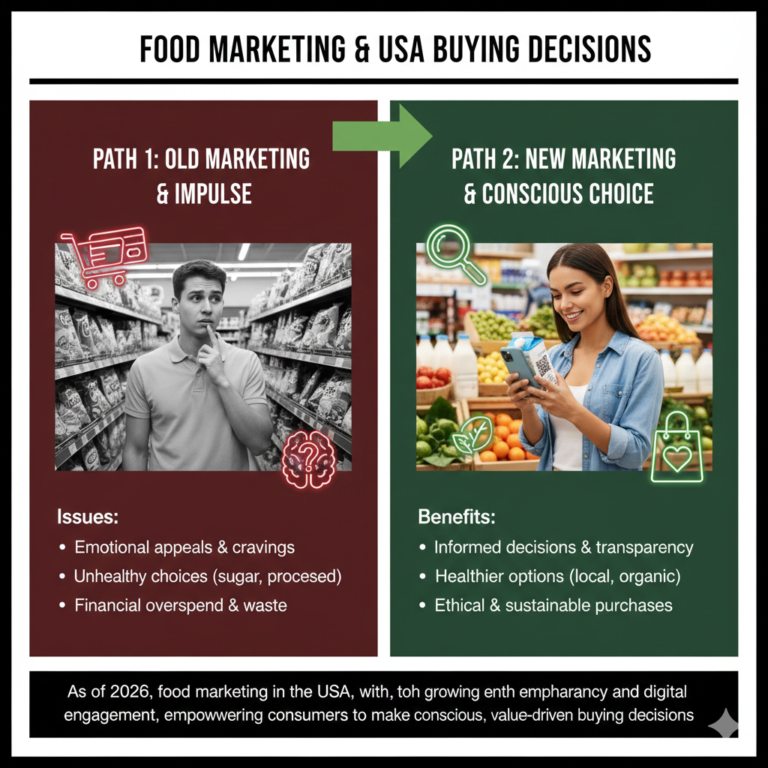
The food-data guide distinguishes supply and consumption measures, while the marketing guide helps assess packaging messages. Keep the next purchase connected to a meal you will actually make, with a storage plan and a budget you can maintain.

Leave a Reply