

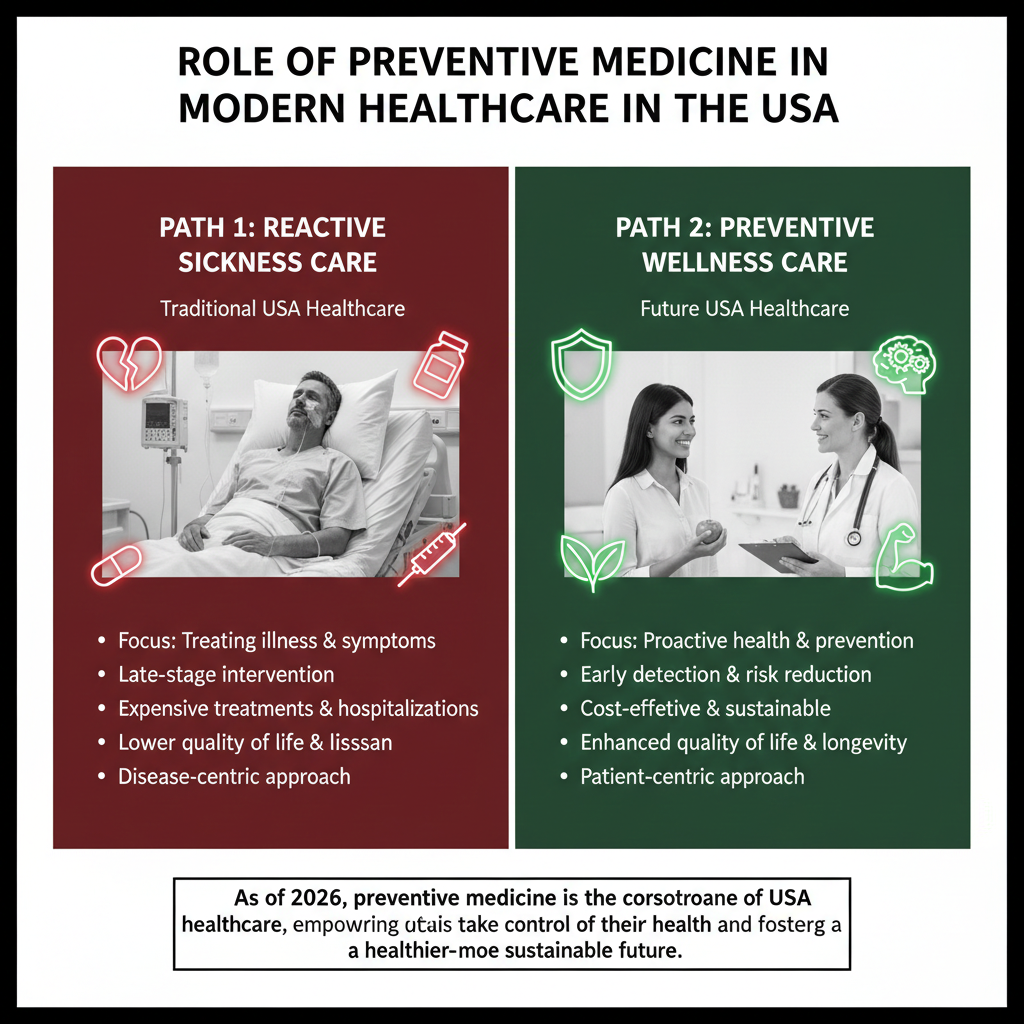
Preventive care aims to reduce risk or identify problems early enough for action to help. It can include vaccination, counselling and selected screening. The appropriate service depends on age, history, risk factors and the recommendation being considered.
The US Preventive Services Task Force’s grade definitions describe the balance of expected benefits, harms and certainty for specific populations.
Screening is not symptom assessment
Screening generally concerns people without relevant symptoms. A new symptom may need diagnostic assessment even when someone does not meet the criteria for a routine screening programme.
Conversely, being worried does not make every available scan or blood test useful. False positives, unnecessary procedures and overdiagnosis can cause harm.
Read the population and interval
A recommendation is not simply a test name. It includes who may benefit, when to start or stop and how often to repeat the service. Those details can change as evidence is reviewed.
The current USPSTF recommendation list is a better reference than an undated universal annual-checkup checklist.
Prepare for a conversation
Bring medication information, relevant family history and earlier results. Ask what a proposed test could change and what follow-up would mean.
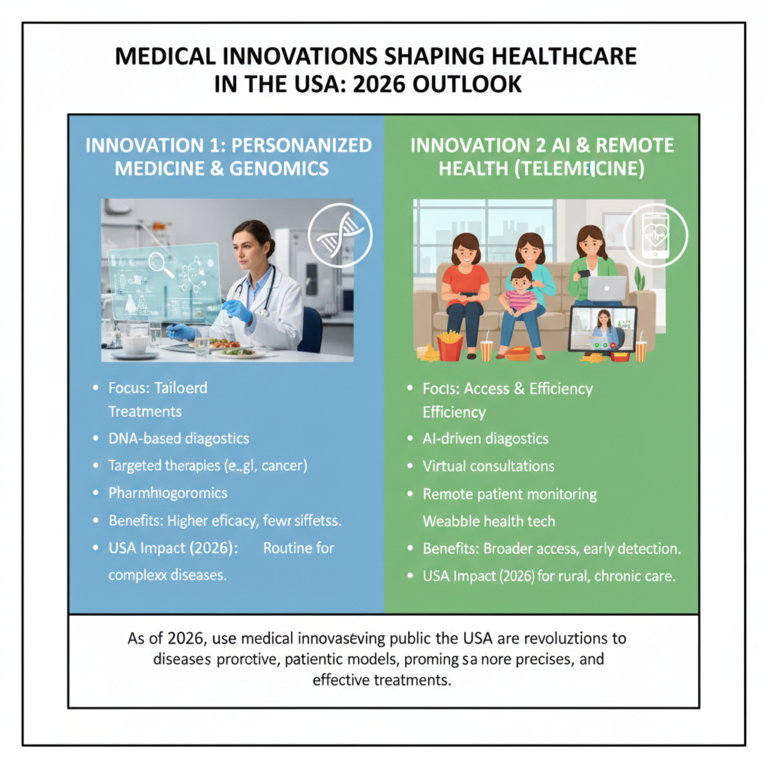
The medical-technology guide raises similar questions about new tools. The weight-stigma guide explains why respectful access matters, while the protein-guideline article separates general advice from individual needs. Prevention can be valuable without promising that every disease will be avoided or that every recommended service has no downside.

Leave a Reply