

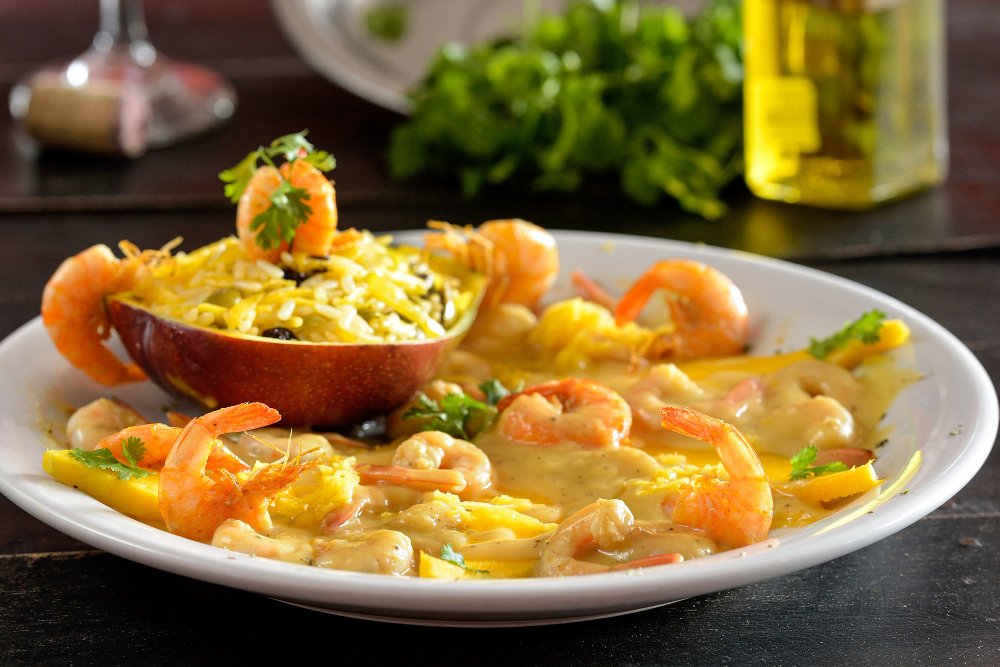
Creamed corn can form the base of a meal rather than remain a side dish. Shrimp adds another texture, while a savoury base and a little acidity can balance the corn’s sweetness. Keep the method simple enough to adjust as you cook.
This is a flexible home-cooking approach, not a tested claim about exact timing or nutritional benefits. Check ingredient labels and choose products appropriate to your dietary needs; shrimp and milk-based additions require particular attention for relevant allergies.
Choose the corn base
For a convenient version, start with a can of creamed corn and follow its heating instructions. For a chunkier base, soften a little chopped onion in butter or oil, add corn kernels and a small amount of milk or stock, then mash some kernels to thicken.
Add liquid gradually so the base stays spoonable rather than soupy. Taste the corn mixture before it contacts raw shrimp, and adjust salt, pepper or another suitable seasoning. Different prepared products vary in sweetness and salt.
Prepare the shrimp separately
Use properly stored shrimp and follow package thawing instructions and safe-handling guidance. Keep raw seafood and its juices away from ready-to-eat food and clean tools. Do not leave shrimp on the counter to thaw.
The FDA handling guide provides cooking and chilling guidance, including shrimp cooked until the flesh is pearly and opaque. Cooking time varies with size and starting conditions, so do not rely on one universal minute count.
Cook, then combine
Warm the corn base gently, stirring so it does not catch. Cook the shrimp using a suitable pan method and check doneness throughout the batch. Combine with the hot corn only when both are ready, then serve promptly.
Alternatively, use a reliable recipe that cooks the shrimp in the base, following its quantities and cooking checks. Avoid adding raw seafood and assuming the residual heat of the corn will necessarily cook it adequately.
Adjust the finish and serving
If the base becomes too thick, loosen it with a little suitable hot liquid. A small amount of lemon juice or chopped herbs can change the finish; add gradually and taste the fully cooked dish. Keep any optional garnish separate if people have different preferences.
Serve with rice, bread or a vegetable that suits the meal. The vegetable-cooking guide offers softer side options, and the beginner kitchen guide helps organise the order of work.
Store with a plan
Refrigerate perishable leftovers promptly and follow official storage and reheating guidance. Do not keep a large pan on the table for an extended period because it still feels warm. Reheating does not make unsafe storage harmless.
For another flexible dinner, see the weeknight chicken methods. Keep notes on the corn product and liquid amount you liked so you can repeat the texture without needing to turn the dish into a complicated recipe.



Leave a Reply