

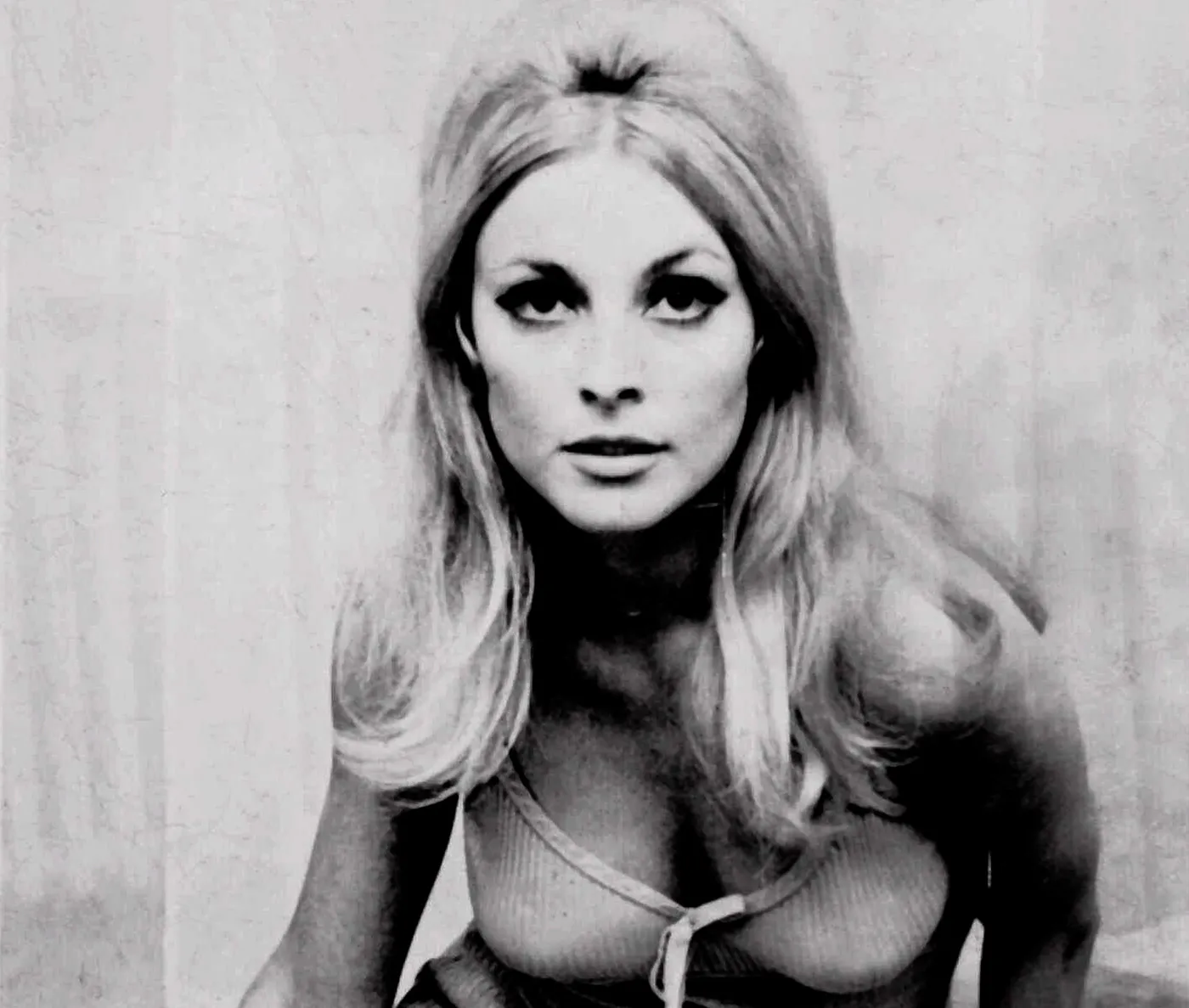
Sharon Tate’s film work remains available for discussion independently of later portrayals of her life. The BFI listing for Dance of the Vampires, also known as The Fearless Vampire Killers, identifies her among the cast of the 1967 film.
A retrospective can begin with an actual work rather than reducing an actor to a tragic headline or claiming that a new generation universally shares one reaction.
Separate the original performance from later portrayals
A feature film about a historical person may alter events or use imagined scenes. It is not automatically a documentary source for what the person said or did.
When comparing portrayals, identify the production and the particular choice being discussed. Avoid attributing dialogue from a dramatization to the real person.
Credits are a useful starting point
The BFI’s discussion of Tate’s cinematic afterlife provides a published critical perspective. It should be attributed as criticism, not presented as an opinion shared by every viewer.
No exclusive family interview, new investigative finding or search-trend measurement is claimed here.
Why older work resurfaces
Screenings, streaming access, new books and later films can create occasions to revisit an earlier career. Each occasion should be identified before calling it the reason a name is trending today.
The Bugonia interpretation guide explains how criticism differs from confirmed production facts. The Valentino remembrance likewise keeps a person’s documented work separate from broad claims about universal influence. A focused retrospective can recognise Tate as an actor without inventing private thoughts or sensational details to fill the gaps.

Leave a Reply