


A drink promising focus and a cereal advertising added vitamins may both be described as functional foods. The phrase is broad. To judge a product, move from the category name to the exact ingredient, amount and claim on the package.
An added ingredient does not automatically make a product useful for you. Its cost, serving size, ordinary nutrition and evidence all matter. A persuasive front label can leave those details in small print.
Identify what is being claimed
Ask whether the message concerns a nutrient amount, a body function or a relationship with disease risk. The FDA overview of label claims explains these different categories. They do not all mean the same thing, and a general support statement is not proof that a product treats a condition.
Read the label as a whole, including the ingredient list and any qualifications. A slogan such as “supports wellness” leaves many questions unanswered: which outcome, for whom, at what amount and based on what research?
Check the evidence for the actual product
A study of one ingredient cannot automatically establish the effect of every food containing it. Look for the ingredient form, amount, participant group and outcome measured. A laboratory finding, a small short-term trial and a long-term clinical study have different limits.
Be particularly careful with broad promises about immunity, metabolism or mental sharpness. If the company provides only testimonials or an ingredient name, that is not enough to establish the promised result. Do not replace prescribed treatment with a food or supplement on that basis.
Compare ordinary nutrition and cost
Use the serving information to compare products on the same basis. Added protein or vitamins do not erase added sugars, sodium or other considerations. Nor does a long ingredient list, by itself, settle whether a food fits your needs.
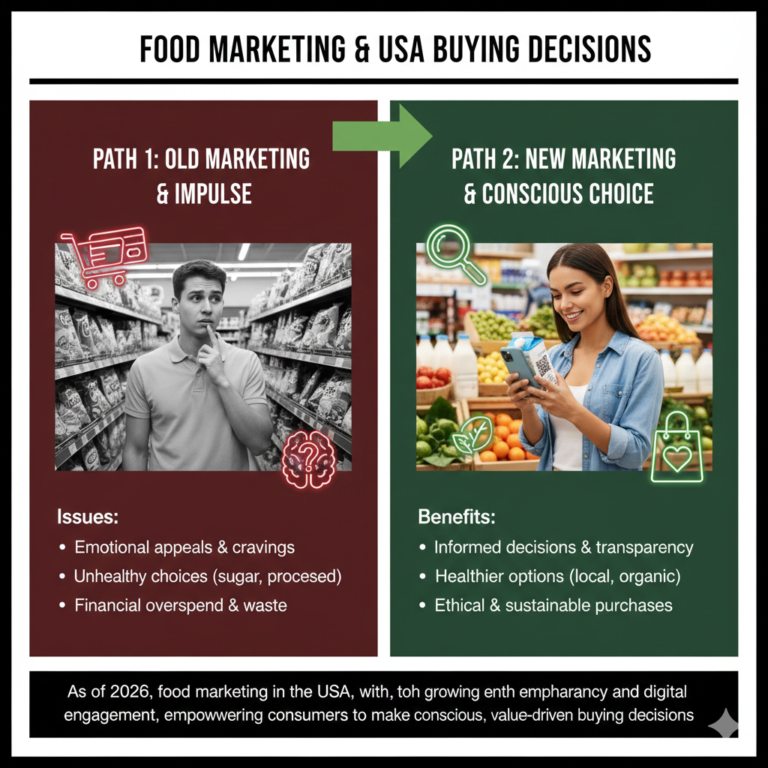
Compare the product with an ordinary alternative that serves the same purpose. If you want a snack, ask whether it is enjoyable, affordable and convenient, rather than paying more for an unclear benefit. Our food marketing guide offers further questions for reading packaging.
Keep food and supplement decisions distinct
A conventional food and a dietary supplement have different labeling frameworks. Read which type you are buying, follow directions and discuss unfamiliar supplements with a clinician or pharmacist when relevant, especially if you take medicines or have a medical condition.
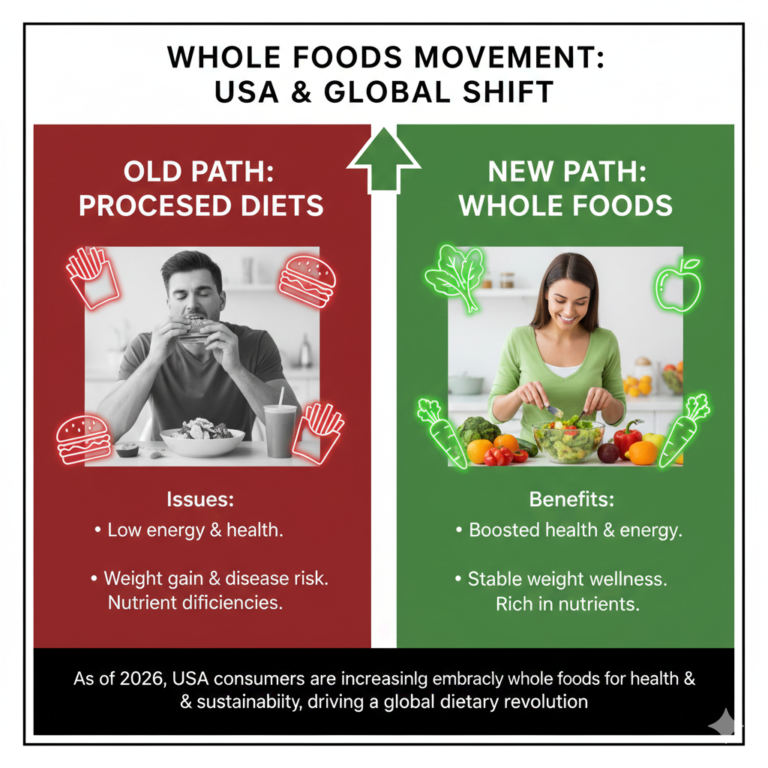
The organic label explainer covers production-related wording, which is a separate issue from functional claims. For everyday meals, the whole-food meal guide provides ideas that do not depend on a specialised wellness product.
A useful purchase solves a clear need at a price you accept. You should be able to explain that need without repeating the brand’s slogan.

Leave a Reply