

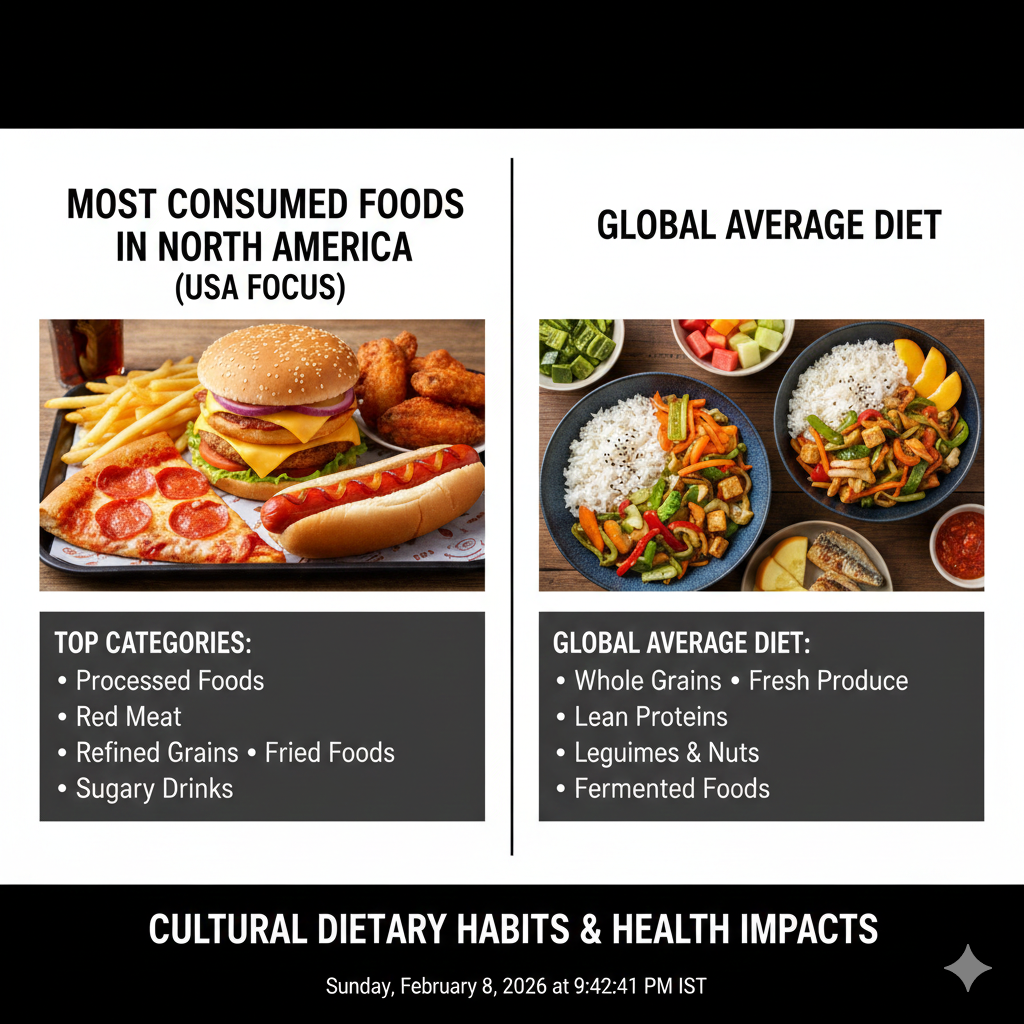
Bread, rice, vegetables, fruit, dairy products, beans, meat and other foods can all appear in US meals. Naming examples is straightforward; declaring which are most consumed requires a defined dataset, year and measure.
A ranking by weight can differ from one by calories, spending or eating occasions. US data should also not be described as a complete account of North America, which includes other countries and many different food traditions.
Decide what the number measures
Retail sales describe purchases within their scope. A dietary survey records intake using its own method. A food-supply series estimates another part of the system. Those are related questions, but they are not interchangeable measures.
The USDA ERS food-availability FAQ explains why its series is not a direct observation of what individuals eat. Read the documentation before turning an aggregate into a claim about a typical person.
Use categories carefully
Grains may include bread, rice, pasta and many other products. Vegetables can appear in a side dish, soup or mixed meal. A prepared sandwich contains several ingredients, so counting it as one category may differ from counting its components.
Ask how the source defines foods and combines them. Compare the same year and units, and retain any adjustment for losses or waste. Do not place values from unrelated tables into one apparent league table.
Keep everyday examples distinct from rankings
A breakfast might use oats, bread, fruit or eggs; another household may choose something entirely different. Lunch and dinner also reflect access, culture, schedules, preferences and cost. An example is not evidence that everyone follows the same pattern.
The ingredient-planning guide focuses on usable choices rather than describing one standard American diet. It leaves room for different cuisines and ordinary convenience foods.
Read trend claims with a date and scope
A change in one product’s sales does not automatically describe a national change in eating. Look for the period, population, source and definition behind a statement about growth or popularity.
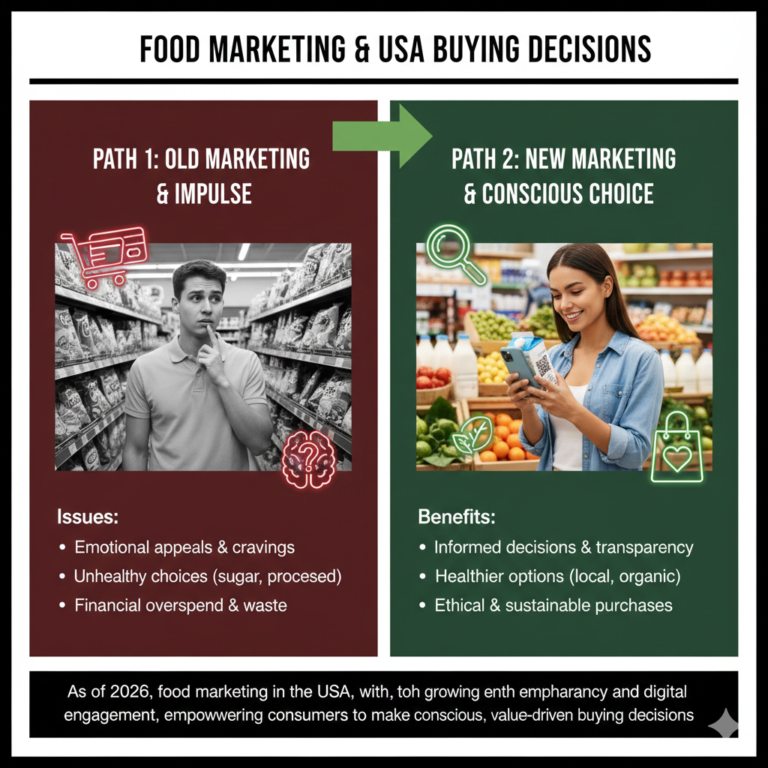
The food-marketing guide explains how promotional messages can become confused with evidence. An unsourced claim that a food is the country’s favourite should remain a claim, not be repeated as a measured fact.
Use data for the question it can answer
For research, identify the relevant series and limitations before comparing values. For a meal plan, the practical questions may instead be what you can obtain, store and prepare and what suits your dietary needs.
The beginner kitchen guide helps turn that plan into a manageable meal. Understanding food consumption is useful when the numbers retain their meaning, rather than becoming a ranking that the source never established.
Leave a Reply