

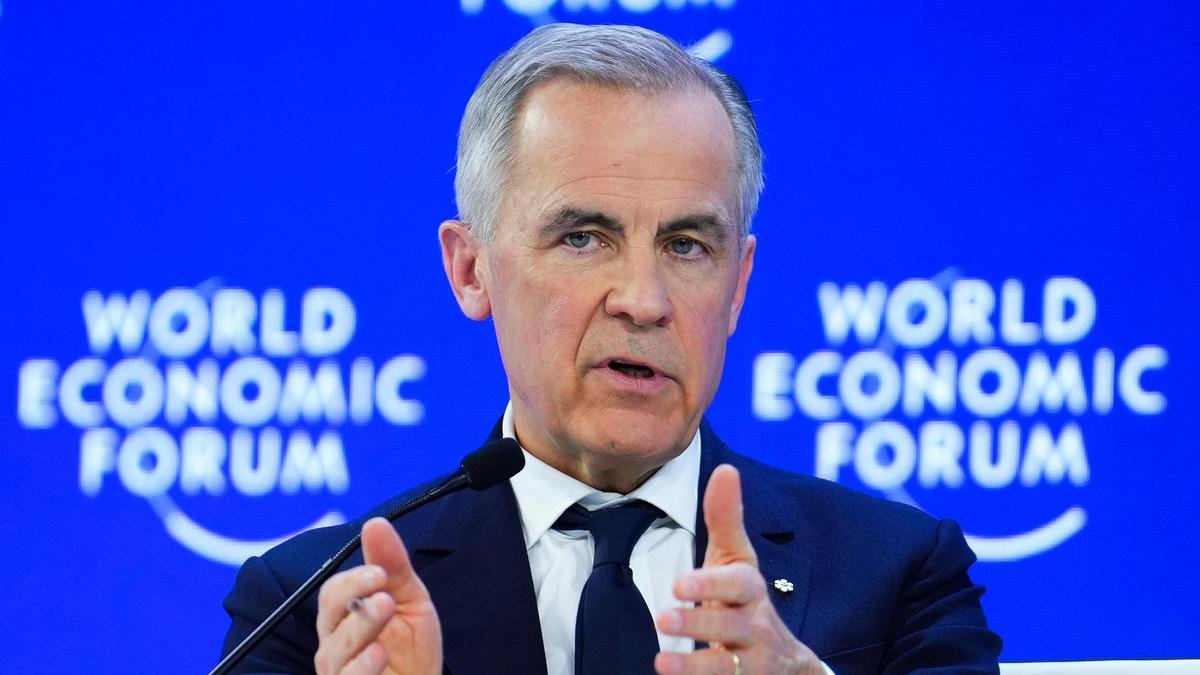
Mark Carney’s January 20, 2026 Davos speech argued that middle powers should cooperate rather than accept a world shaped entirely by the strongest states. The official Canadian transcript is the clearest basis for understanding that argument.
He spoke as Canada’s Prime Minister, not simply as a former central banker commenting from outside government. The original article’s long metaphors obscured both the date and his role.
The central argument
Carney described tariffs, financial infrastructure and supply chains as potential instruments of pressure. His proposed response combined greater resilience at home with broader cooperation abroad.
He also argued against universal isolation. Reducing a dangerous dependence is different from trying to produce everything domestically. That distinction gives the speech more practical substance than a simple claim that global trade is ending.
Values and interests
The speech linked sovereignty, human rights and territorial integrity with a pragmatic willingness to work with partners whose interests and values differ. Readers can examine the tension: wider partnerships may reduce dependence on one country while creating difficult choices elsewhere.
That is an analytical question raised by the speech, not proof that the proposed approach will succeed. The costs and benefits depend on the agreements, sectors and policies eventually adopted.
What follows a speech
An address at Davos does not itself change a tariff, fund a factory or guarantee an investment return. Subsequent budgets, laws and agreements are the records that show implementation.
Our Davos overview places the address within the wider meeting. The India–US trade guide offers a separate example of why economic outcomes need product-specific and dated evidence. Carney’s speech supplies a framework for debate; it does not remove the need to test each policy against its consequences.



Leave a Reply