

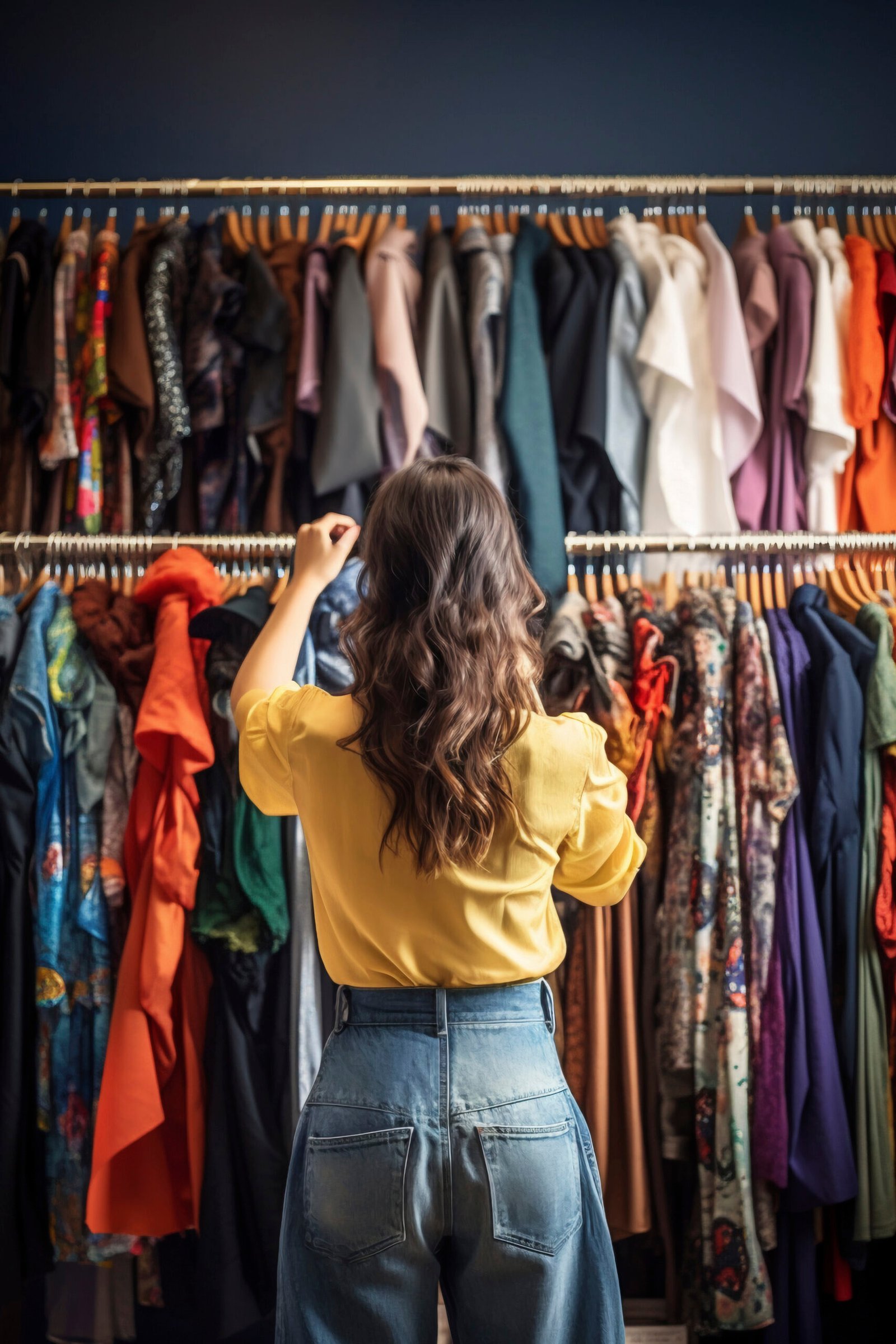
A cheap shirt is useful when it fills a gap in your wardrobe and stays within the amount you can spend. The advertised price is only the beginning. Delivery, an alteration or a second item needed to complete the outfit can change the decision.
This guide focuses on shopping at the lower end of your budget, rather than declaring one retailer the cheapest. Prices, stock and promotions change, and garments within one brand can differ considerably.
Set a limit for the whole purchase
Write down what you need and the total available, including tax and delivery. For example, a hypothetical $12 top with $9 delivery costs more than a $17 top collected without a delivery fee, before tax. Compare the actual checkout options rather than assuming the lowest item price wins.
Do not add unwanted clothes to reach a shipping threshold. If the purchase needs a special base layer, belt or alteration, include that too. The under-$50 shopping guide explains how to apply a strict ceiling.
Use a small retailer shortlist
Target’s clothing-brand directory and Old Navy’s denim range provide starting points for comparing everyday items. Their inclusion is not a claim that they always have the lowest price or that every garment has the same quality.
Search for the exact category and size you need. Compare the full price of plausible alternatives, including sale restrictions and return costs. The affordable brand comparison guide offers a broader way to build a shortlist.
Make fit a condition of value
Try the garment with clothes you already wear. Sit and bend in trousers, reach in tops and check hems with your shoes. Inspect opacity in normal light. A discount does not make a piece useful if you are uncomfortable in it or need constant adjustments.
For online orders, compare equivalent measurements with a comfortable garment you own. Check whether the chart describes body or garment measurements. Read return conditions before paying, especially for clearance items, and keep the tags attached until you have assessed fit within those conditions.
Inspect condition and care
Check seams, closures, pocket openings and linings. For secondhand items, look closely at wear and repairs and confirm actual measurements. A previous size label may not describe the current fit.
Read the care instructions. An item that requires cleaning you cannot maintain may be a poor choice even at a low initial price. Do not infer lifespan from the fibre name, a thick fabric or a higher crossed-out price.
Buy for a working outfit
Name the existing pieces the purchase will go with. If it only works with more clothes you would need to buy, pause and compare the complete cost. The small casual wardrobe exercise helps identify the piece that would add useful combinations.
Repairing something you own, waiting for a suitable option or buying secondhand are also choices. The useful saving is money kept on a purchase you do not need, as well as a fair price for one you do.



Leave a Reply