

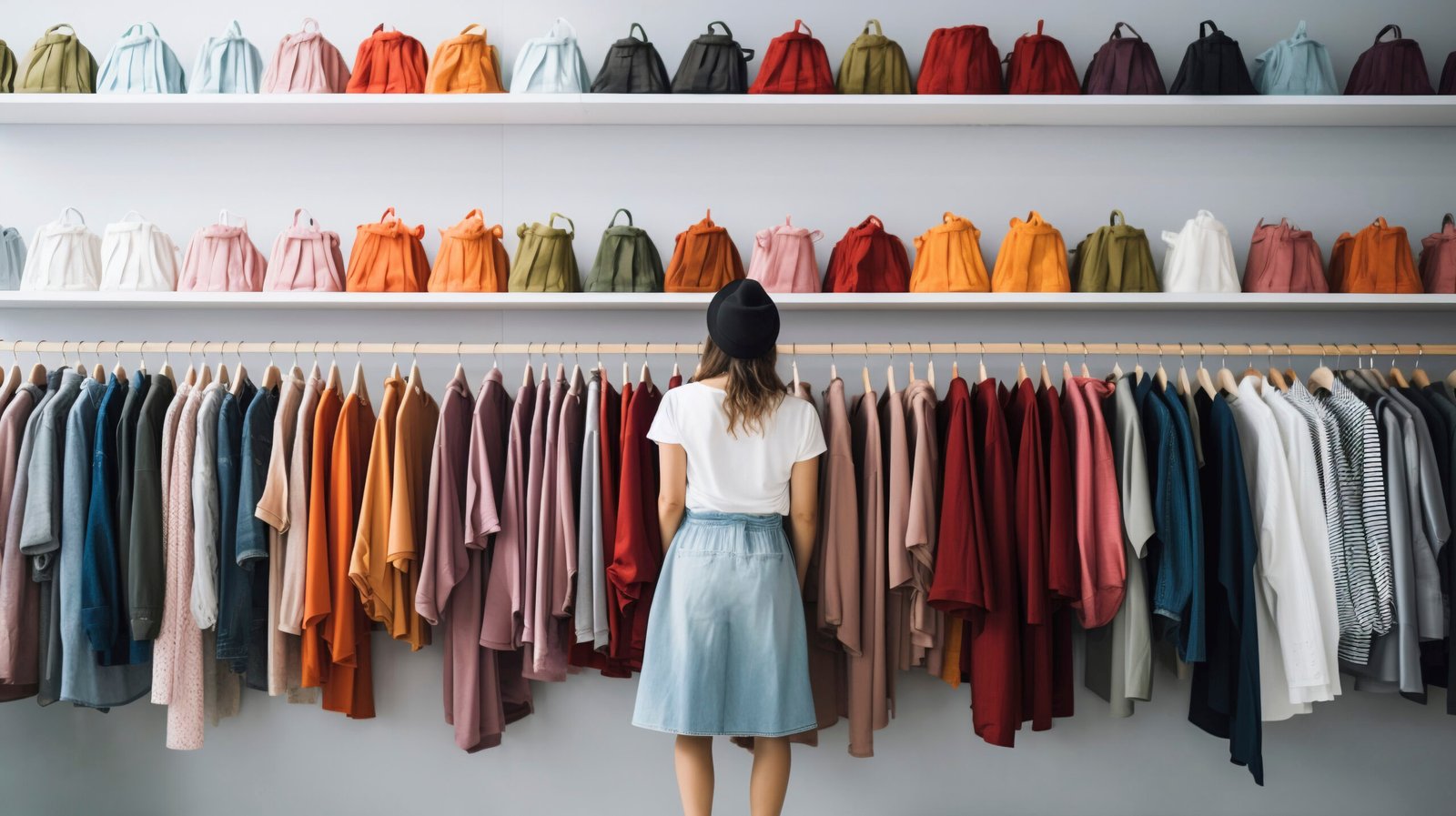
A small casual wardrobe can give you plenty to wear when the pieces work together. The aim is to avoid buying isolated bargains that need another purchase before you can use them. Start with the clothes already in regular rotation.
This guide is an outfit-planning exercise, not a fixed list of essentials or a retailer ranking. Adapt the number of pieces to your laundry schedule, climate and preferences.
Choose a base you enjoy wearing
Pick one comfortable bottom: jeans, chinos, casual trousers or a skirt. Pair it with two tops you already like. Those combinations establish the colours, proportions and level of formality you want from a new purchase.
If jeans and tees suit your week, an overshirt or cardigan can add another option. If you prefer dresses, a jacket and compatible shoes may be more useful than buying separates. The casual outfit guide has examples you can adapt without following rigid wardrobe rules.
Try a six-piece planning exercise
Lay out two bottoms, three tops and one removable layer. For example, jeans and chinos could work with a plain tee, a polo and a casual shirt. A cardigan adds another combination without requiring different shoes. Use this as a test of compatibility rather than a shopping list.
Check each pairing in a mirror and while moving. A shirt that bunches under the layer may need a different sleeve shape. A long top can work with one bottom and feel awkward with another. Keep the combinations you actually want to repeat.
Buy the missing piece first
Write down the item that would unlock the most useful outfits. If every top works but your only trousers no longer fit, prioritise trousers. Set a total limit that includes delivery and any alterations. Leave optional accessories until the main outfit works.
For retailer comparison, see the budget clothing buying checklist. Check the exact product rather than expecting every item from a familiar store to have the same fit, construction or care requirements.
Inspect casual clothes before keeping them
Sit and reach in tops and bottoms. Check necklines, seams, pockets and opacity in normal light. Try hems with your shoes. Read the care label and decide whether you can follow it without a separate laundry routine you are unlikely to maintain.
For online orders, compare garment measurements with clothes you own and read return conditions before removing tags or washing. If you plan to buy multiples, use and wash one first. A low price does not tell you whether the shape will suit you after normal use.
Keep the wardrobe flexible
Change one element for a different setting: swap a tee for a shirt, add a cardigan or use a cleaner-looking shoe if the occasion calls for it. The jeans and chinos outfit guide gives more examples.
Review what remains unworn before the next purchase. Repair a loose button or hem where practical. When shopping secondhand, check condition and measurements with the same care you would give new clothing. A useful casual wardrobe grows from repeated wear, not from reaching a particular item count.


Leave a Reply