


A low price is helpful when the item solves a wardrobe problem. It is less helpful when a top needs a different bra, new trousers and special cleaning before you can wear it. Compare the cost of making the whole outfit work, not just the price on the tag.
Start with the clothes you wear most often and the occasions that are hard to dress for. This guide focuses on choosing useful purchases rather than ranking retailers or promising that a particular brand will fit everyone.
Choose one gap to fill
Perhaps you need washable trousers for work, a dress for regular outings or tops that sit comfortably under a cardigan. Write that need down before browsing. Look at your shoes and layers too, since they affect which lengths and shapes will be useful.
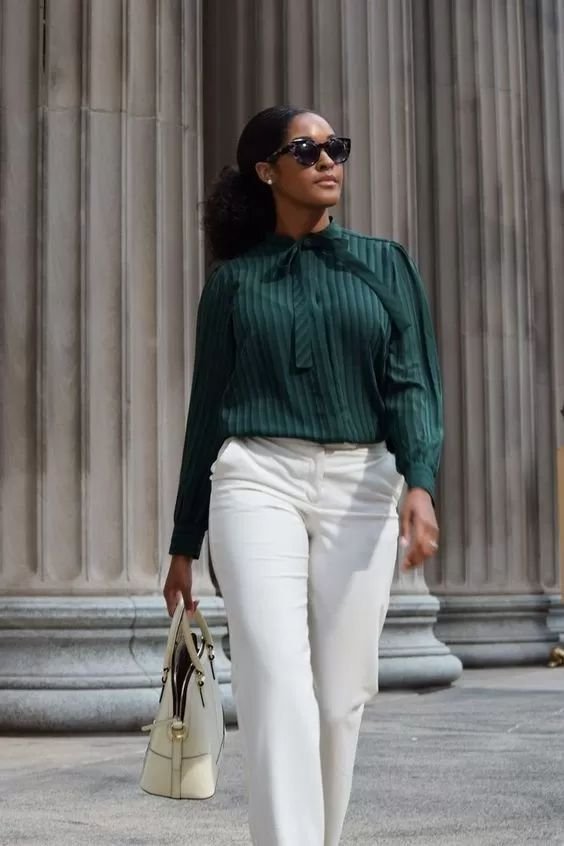
For an everyday outfit, try trousers or jeans with a comfortable top and a layer you already own. If dresses are easier for you, test one with your usual shoes and jacket. The everyday clothing guide can help you plan a rotation without buying a complete new wardrobe.
Use stores as comparison points
UNIQLO’s US site and Target’s clothing-brand overview are starting points for exploring different ranges. Check individual products and current terms. A brand name does not establish consistent sizing or durability across everything it sells.
Compare the exact size and colour you need. Read the fabric description, care label information and return conditions. If a purchase depends on a promotion, confirm that it applies before paying. Include shipping, tax and any return charge in your comparison.
Try the outfit rather than the item alone
Sit and bend in trousers, check button spacing on a blouse and walk in a skirt or dress. Look at the garment in ordinary daylight for coverage and opacity. Reach forward and overhead to see whether it stays in place without constant adjustment.
Check hems with the shoes you expect to wear. If an alteration seems necessary, ask about feasibility and cost before buying. A different cut may work better than substantial changes to a poorly fitting garment. Choose clothes that fit your current measurements.
Separate useful extras from avoidable costs
A lining, closure or pocket can make one garment more useful than a cheaper alternative. Decide whether that feature matters to you. Conversely, a decorative detail you do not use is not a reason to increase the budget.
Try one garment through your normal wear and care routine before ordering multiples. For secondhand purchases, inspect fasteners, lining, seams and any stains or repairs. Online photos may not show every area, so request the information you need before deciding.
Spend with an outfit in mind
Before checkout, name two combinations the item will work in. If it is for work, check them against the dress code using the workwear outfit guide. The budget casual wardrobe guide offers a smaller plan for informal days.
Keep a note of successful measurements and fabrics after wearing the purchase. That record is more useful for the next shopping trip than assuming a higher price will automatically solve fit or quality problems.


Leave a Reply