

A prediction and a betting price are not the same thing. A prediction is someone’s assessment; a price is a quoted term from a particular market at a particular time. Neither becomes reliable simply because a headline calls it the top five.
Super Bowl LX is a completed event. The official result was Seattle 29, New England 13 on February 8, 2026. This guide explains how to read old forecasts, rather than offering current prices or instructions to place a wager.
Start with the timestamp
A preseason assessment, a playoff assessment and a game-week assessment use different information. Player availability and the remaining bracket can change substantially between them.
An undated range beside a team name cannot honestly be called the latest odds. To assess an archived quotation, you need its provider, date, market and terms. If those are missing, treat the number as unverified.
Probability is not a promise
For illustration, a hypothetical decimal price of 4.00 corresponds to a simple implied probability of one divided by four, or 25 percent, before considering margin and market terms. This arithmetic describes a quotation; it does not establish the team’s true chance.
A likely outcome can fail to occur, and an unlikely outcome can occur. One result therefore cannot validate every assumption in the forecast that preceded it.
Check the eligible teams
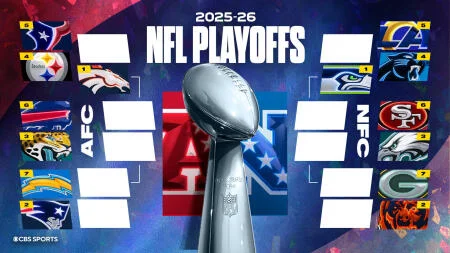
Denver and Buffalo’s route and the Seattle–Rams bracket correction show why competition structure comes first. A contender list that includes an impossible final pairing has a problem before any price comparison begins.
Assess the reasoning separately
Look for stated assumptions, relevant evidence and a record of when the assessment was made. Our dark-horse guide applies the same approach to sleeper labels.
A useful retrospective can acknowledge a mistaken call without rewriting it after the event. It should not present promotional confidence, unsupported public-betting percentages or guaranteed returns as analysis.



Leave a Reply