

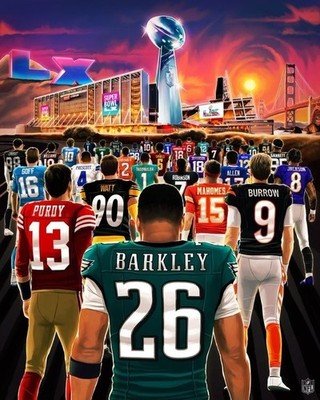
Seattle and the Los Angeles Rams could not face each other in Super Bowl LX. Both were NFC teams, and the game paired the NFC champion with the AFC champion. A compelling divisional rivalry does not change the bracket.
The completed result was Seattle 29, New England 13 on February 8, 2026. The official Seattle championship account also describes the Seahawks beating the Rams during their playoff route.
A conference meeting is a different event
A team can encounter a conference rival on its way to the Super Bowl. That earlier game determines who continues; it cannot produce two representatives from the same conference for the final.
This distinction is easy to lose when a headline uses Super Bowl matchup to mean two strong teams playing each other. For readers checking a real schedule, the competition stage must be explicit.
Geography does not determine eligibility
Super Bowl LX took place in California, but the venue did not create a special route for two West Coast teams. The conference structure still governed the participants.
The LX event overview identifies the actual date, location and representatives. Denver and Buffalo’s playoff history shows how a similar misunderstanding can arise on the AFC side.
Keep the rivalry analysis in the right place
Seattle–Rams tactics, results and player matchups can be worthwhile subjects. They should be tied to their own fixture dates and available squads. An imagined Super Bowl does not make that analysis stronger.
If the interest is historical, Seattle’s two Super Bowl meetings with New England provide a separate storyline. If the interest is evaluating predictions, start with the sleeper-claim framework: first establish what outcomes were possible, then assess which were likely. No amount of confidence, fan enthusiasm or market language can turn an ineligible pairing into a valid final prediction.


Leave a Reply