

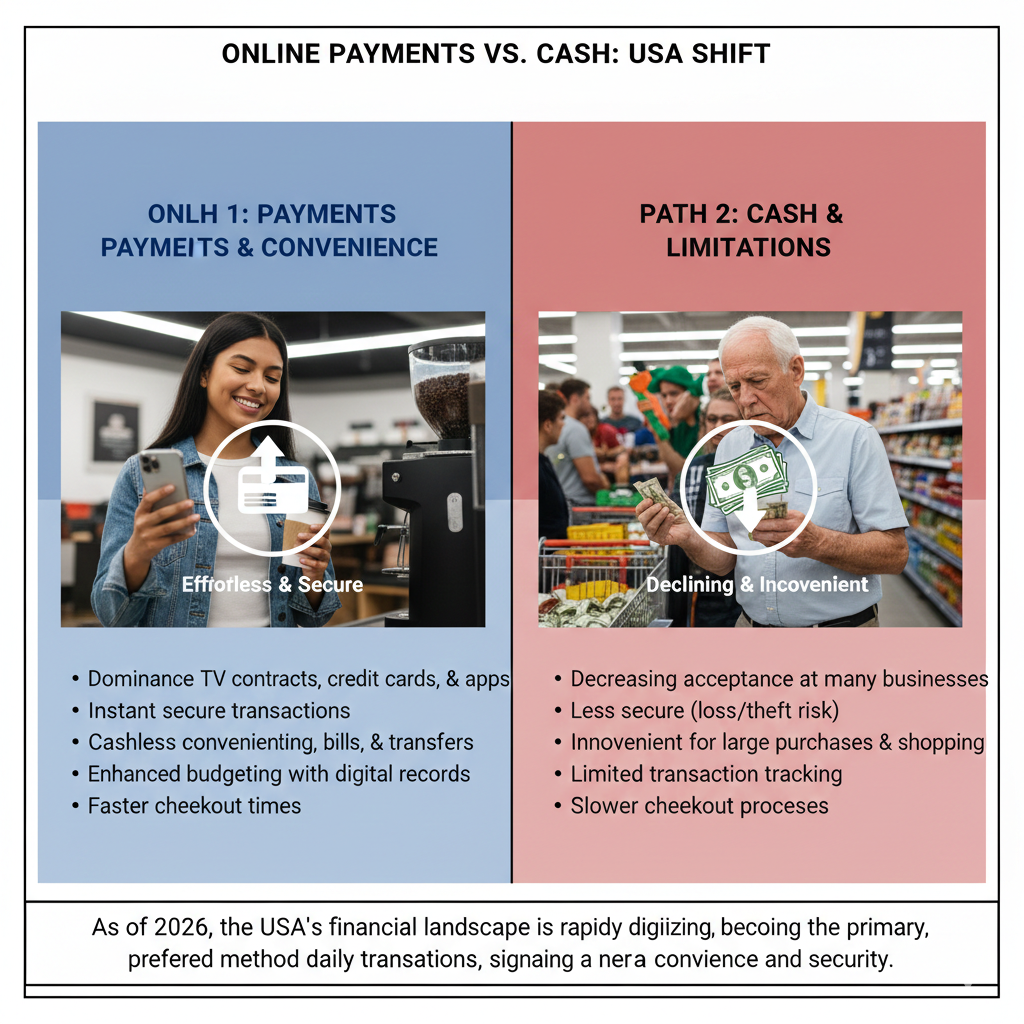
Digital payments make many transactions convenient, but that does not mean cash has disappeared. People choose payment methods for different reasons, including access, habit, privacy and the situation at the checkout.
It also helps to use precise terms. An online purchase, a contactless card payment and a transfer to a friend are different transactions. Grouping them together can hide differences in costs, funding and available protections.
Read the current evidence carefully
The Federal Reserve Financial Services 2026 Diary release describes broadly stable payment use over the previous three years. Cash remained the third-most-used instrument, while debit and credit cards together accounted for about two-thirds of payments.
The report draws on a survey conducted in October 2025. Its publication year should not be confused with a live count of payments today. The findings support a continuing role for choice rather than a claim that every consumer is becoming cashless.
Identify how the payment is funded
A mobile wallet may use an underlying card. A payment app may draw from a bank account or stored balance. A buy-now-pay-later arrangement creates repayment obligations. The phone interface alone does not tell you where the money comes from or what conditions apply.
Before paying, check the amount, merchant or recipient, fees and funding source. For a borrowing arrangement, read the payment schedule, late-payment terms and total obligations. Convenience at checkout should not obscure a future bill.
Verify requests before transferring money
A message using a familiar name is not enough to establish who sent it. Confirm unexpected payment requests through a trusted channel, especially when urgency or secrecy is involved. Check recipient details before sending.
The CFPB scam guide discusses mobile-payment fraud and warns that some payments can be difficult to recover. If you suspect a scam, contact the bank or provider promptly. Do not assume every payment method offers the same process or result.
Keep records and review access
Save confirmations for purchases or transfers you may need to query. Review statements and unfamiliar transactions. Use appropriate account security and read the current provider terms for disputes, account access and any stored balances.
Our budgeting app guide covers connected-account data choices. The financial review checklist helps place transactions within the bills and obligations they create.
Plan for a payment problem
Consider what you would do if your phone lost power, a terminal failed or the preferred method was unavailable. The right backup depends on your circumstances and the places you use. Avoid assuming either cash or digital payments will always solve every problem.
For the broader planning question, see building financial resilience. A useful payment method supports the purchase; it does not determine whether the purchase itself fits your budget.


Leave a Reply