

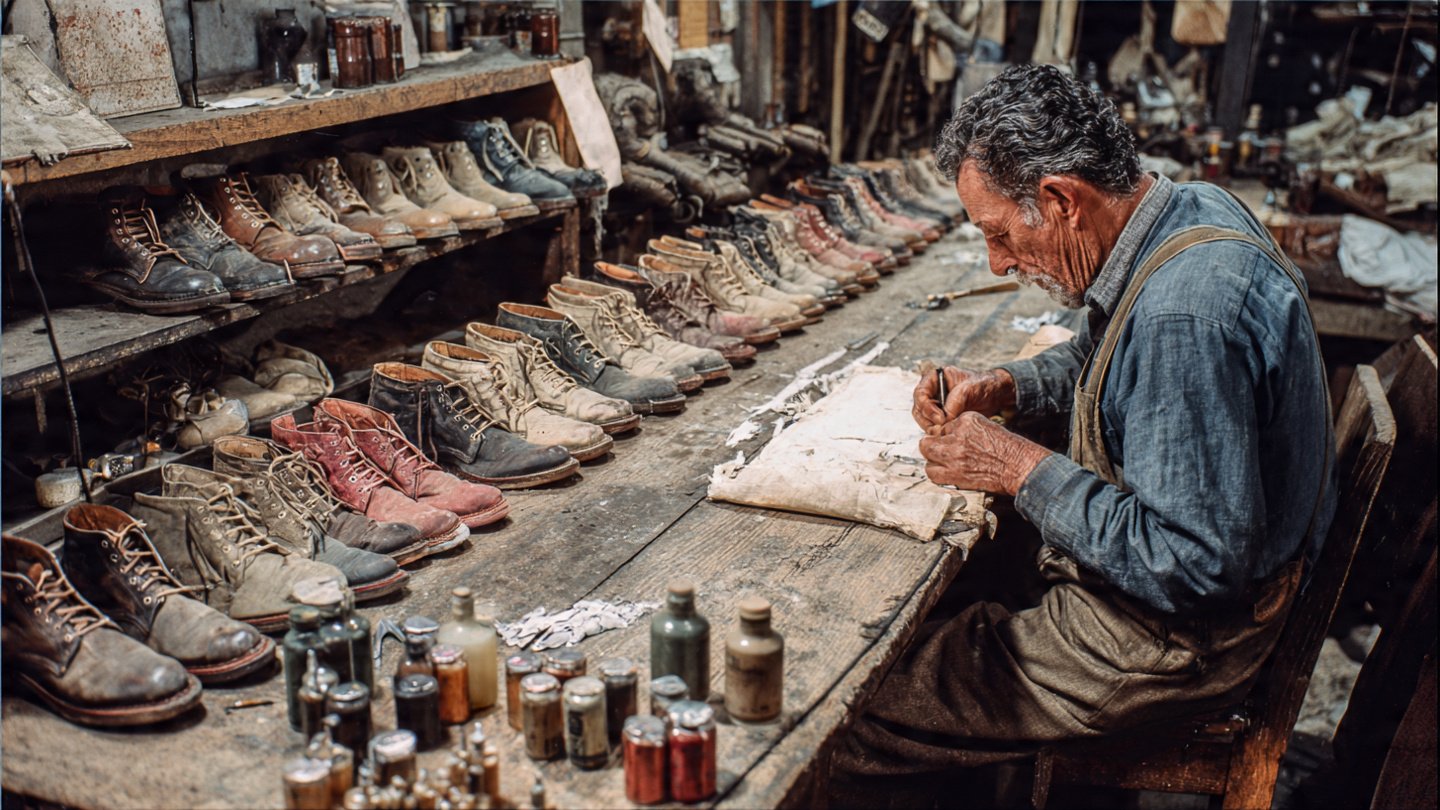
For most of human history, shoes were stiff, inflexible, and completely impractical for anything beyond basic protection. Leather soles cracked. Wooden clogs clattered. Water ruined everything. People accepted discomfort because there wasn’t much of an alternative.
Then rubber arrived, and everything shifted.
The introduction of rubber soles didn’t just make shoes more comfortable. It fundamentally transformed how footwear was designed, manufactured, and worn. What started as experimental material became the foundation for athletic performance, casual style, and eventually, global sneaker culture.
This is the story of how a single innovation reshaped an entire industry—and made modern footwear possible.
Footwear Before Rubber Soles
Before rubber changed the game, shoe soles were made from whatever materials were durable enough to handle rough terrain. Leather dominated for centuries because it was relatively tough and could be shaped to fit the foot. Wooden soles appeared in various cultures, from Japanese geta sandals to European pattens worn over delicate shoes to protect them from mud.
But these materials had serious limitations. Leather wore down quickly, especially in wet conditions. Wood offered no flexibility, making every step rigid and uncomfortable. Neither material provided much grip, which made slippery surfaces a constant hazard.
Shoemakers experimented with layered leather, metal reinforcements, and even rope-wrapped soles. Some improvements helped, but the core problem remained: footwear was built for durability, not comfort or performance. The idea that shoes could flex with your foot, cushion impact, or grip the ground securely simply wasn’t part of the equation yet.
That changed when inventors began exploring the potential of rubber.
The Discovery and Use of Rubber in Footwear
Early Rubber Experiments
Rubber wasn’t new when it started appearing in shoes. Indigenous peoples in Central and South America had been using natural rubber from tree sap for centuries, waterproofing textiles and creating basic footwear. European explorers brought rubber back to their home countries, where it sparked curiosity—but also frustration.
Natural rubber had one major flaw: it became brittle in cold weather and sticky in heat. Early attempts to incorporate it into shoes resulted in footwear that cracked apart in winter or melted into gooey messes during summer. Despite these challenges, inventors recognized rubber’s potential. It was flexible, water-resistant, and unlike anything else available at the time.
Vulcanization and Material Innovation
The breakthrough came in 1839 when Charles Goodyear accidentally discovered vulcanization—a process that stabilized rubber by heating it with sulfur. This transformed rubber from an unreliable curiosity into a durable, weather-resistant material that could be molded into consistent shapes.
Suddenly, rubber could be used in practical applications. Shoemakers began experimenting with rubber soles, testing how they held up compared to leather. The results were promising. Rubber didn’t crack as easily, held its shape better, and provided a level of grip that leather never could.
Rise of Flexible Soles
Once vulcanized rubber became widely available, footwear manufacturers started rethinking shoe construction entirely. Instead of nailing stiff leather to the bottom of a shoe, they could attach flexible rubber soles that moved with the wearer’s foot. This opened up possibilities for lighter, more comfortable designs.
By the late 1800s, rubber-soled shoes were gaining traction—literally and figuratively. Athletes and workers alike appreciated the improved grip and comfort. The Industrial Revolution and Mass Shoe Production accelerated adoption, making rubber soles more affordable and accessible to everyday consumers.
How Rubber Soles Changed Shoe Construction
Improved Traction and Grip
One of rubber’s most immediate advantages was traction. Leather soles were notoriously slippery, especially on wet or polished surfaces. Rubber, by contrast, gripped the ground naturally. Shoemakers enhanced this further by adding textured patterns—treads that channeled water away and increased surface contact.
This wasn’t just a convenience upgrade. Better grip meant safer movement, whether someone was working in a factory, playing sports, or simply walking on rain-slicked streets. For the first time, footwear could actively prevent slips and falls rather than just covering the foot.
Flexibility and Comfort
Rubber allowed shoes to bend and flex in ways leather never could. Traditional leather soles required a break-in period where the material gradually softened—often resulting in blisters and discomfort. Rubber soles, however, were flexible from the start.
This flexibility changed how shoes felt during wear. Instead of fighting against a rigid sole, wearers experienced a more natural range of motion. Walking became less tiring. Running became more efficient. The simple act of moving felt different because the shoe could finally move with the foot instead of against it.
Lightweight Design Evolution
Leather and wood were heavy. Rubber was significantly lighter, which opened the door to entirely new shoe designs. Manufacturers could experiment with minimalist constructions, reduce material usage, and create footwear specifically designed for movement rather than just protection.
This shift laid the groundwork for modern athletic shoes. Without lightweight rubber soles, the performance-driven designs we take for granted today wouldn’t exist. Understanding Shoe Soles and Midsoles reveals just how much complexity has evolved from that initial innovation.
The Birth of Athletic Footwear and Sneakers
Rubber and Early Sports Shoes
Athletes were among the first to recognize rubber’s potential. Tennis players needed shoes that wouldn’t damage grass courts. Runners wanted something that provided grip without weighing them down. Rubber solved both problems.
The term “sneakers” emerged because rubber soles were so quiet compared to leather-soled shoes. People could literally sneak around without making noise—a stark contrast to the loud clacking of hard soles on pavement.
Early sports shoes were simple: canvas uppers attached to thin rubber soles. But even in that basic form, they represented a massive leap forward. Athletes could move more quickly, change direction more easily, and perform at higher levels than ever before.
Rise of Casual Rubber-Soled Shoes
Rubber soles didn’t stay confined to sports. Their comfort and practicality made them appealing for everyday wear. By the early 20th century, casual rubber-soled shoes were becoming mainstream, especially among younger generations who valued ease of movement over formal appearance.
This shift reflected broader cultural changes. As society became less rigidly formal, footwear followed suit. Rubber soles were part of a larger trend toward relaxed, practical fashion that prioritized comfort without sacrificing style.
Influence on Sneaker Silhouettes
Rubber soles didn’t just change how shoes functioned—they influenced how they looked. Designers could experiment with different sole thicknesses, textures, and shapes, creating distinctive silhouettes that became iconic over time.
From classic Converse high-tops to streamlined running shoes, rubber allowed for creative freedom that leather never permitted. These designs became cultural symbols, laying the foundation for Classic Sneaker Silhouettes in History and the distinction between a Running Shoe vs Lifestyle Silhouette.
Rubber Soles vs Traditional Leather Soles
Durability Differences
Leather soles wear down faster than rubber, especially in wet conditions. While leather can be resoled and repaired more easily, rubber offers longer-lasting performance out of the box. This made rubber the practical choice for most consumers, even if purists preferred leather’s traditional aesthetic.
Comfort and Cushioning
Rubber’s natural elasticity provided cushioning that leather couldn’t match. Combined with advances in midsole technology, rubber soles became the foundation for modern cushioning systems that absorb impact and reduce stress on joints. Cushioning Technologies Explained dives deeper into how this evolved.
Everyday Practicality
For everyday wear, rubber simply made more sense. It handled rain, snow, and rough surfaces better than leather. It required less maintenance. It was quieter and more comfortable for extended periods. These practical advantages drove mass adoption, making rubber-soled shoes the default choice for most people.
Cultural Impact of Rubber-Soled Shoes
Rubber soles democratized footwear. They were affordable, comfortable, and versatile enough for nearly any activity. This accessibility transformed shoes from purely functional items into cultural artifacts.
Sneakers became symbols of youth culture, rebellion, and individuality. Rubber soles enabled the rise of streetwear, skate culture, and athletic fashion as distinct movements. Shoes weren’t just about protection anymore—they communicated identity.
The question of Why Humans Care About Shoes goes beyond function. Rubber soles made footwear personal, expressive, and deeply tied to social identity.
Modern Rubber Technology in Footwear
Advanced Outsole Patterns
Today’s rubber outsoles feature intricate tread patterns engineered for specific purposes. Trail running shoes have aggressive lugs for off-road grip. Basketball shoes use herringbone patterns for court traction. Winter boots incorporate deep grooves for snow and ice.
These designs are informed by biomechanics, material science, and extensive testing. What started as simple rubber sheets has evolved into highly specialized components tailored to exact performance needs.
Sustainable Rubber Materials
Environmental concerns have pushed the industry toward more sustainable options. Recycled rubber, natural rubber alternatives, and bio-based compounds are becoming more common. Brands are experimenting with algae-based foams, recycled tire rubber, and other innovative materials that reduce environmental impact without sacrificing performance. Sustainable Shoe Materials Guide explores these alternatives in detail.
Hybrid Sole Designs
Modern shoes often combine multiple materials in a single sole. Strategic placement of different rubber compounds optimizes grip, durability, and cushioning in specific zones. Some designs layer rubber with foam, carbon fiber plates, or thermoplastic polymers to achieve performance characteristics impossible with rubber alone.
This complexity reflects how far footwear technology has progressed since the first vulcanized rubber soles. How Sneakers Are Manufactured reveals the intricate processes behind modern shoe production.
The Future of Rubber Soles and Footwear Innovation
Rubber soles will continue evolving. Researchers are developing self-healing rubber compounds that repair minor damage automatically. AI-designed outsole patterns promise optimized traction for specific activities. Smart materials that adapt to different surfaces could make footwear more versatile than ever.
Sustainability will drive much of this innovation. As consumers demand more eco-friendly options, brands will need to balance performance with environmental responsibility. Bio-fabricated materials, circular economy models, and carbon-neutral production methods are shaping the next generation of footwear.
The possibilities extend beyond traditional shoes. Wearable technology, adaptive cushioning systems, and 3D-printed custom soles suggest a future where footwear is personalized, responsive, and fundamentally different from anything we’ve seen before. Futuristic Shoe Shapes and The Future of Shoes: Technology & Innovation offer glimpses into what’s coming next.
Rubber Soles as the Foundation of Modern Sneakers
Every sneaker you own traces its lineage back to rubber’s introduction. Without vulcanization, modern footwear wouldn’t exist. The comfort, performance, and cultural significance we associate with sneakers all stem from that initial innovation.
Rubber didn’t just improve shoes—it redefined them. It transformed footwear from rigid necessity into flexible possibility, enabling athletic performance, casual style, and personal expression. Understanding this history deepens appreciation for how far footwear has come.
For a comprehensive look at how shoes evolved from ancient times to modern sneakers, explore the Evolution of Shoes From Ancient to Modern Times.
Leave a Reply