

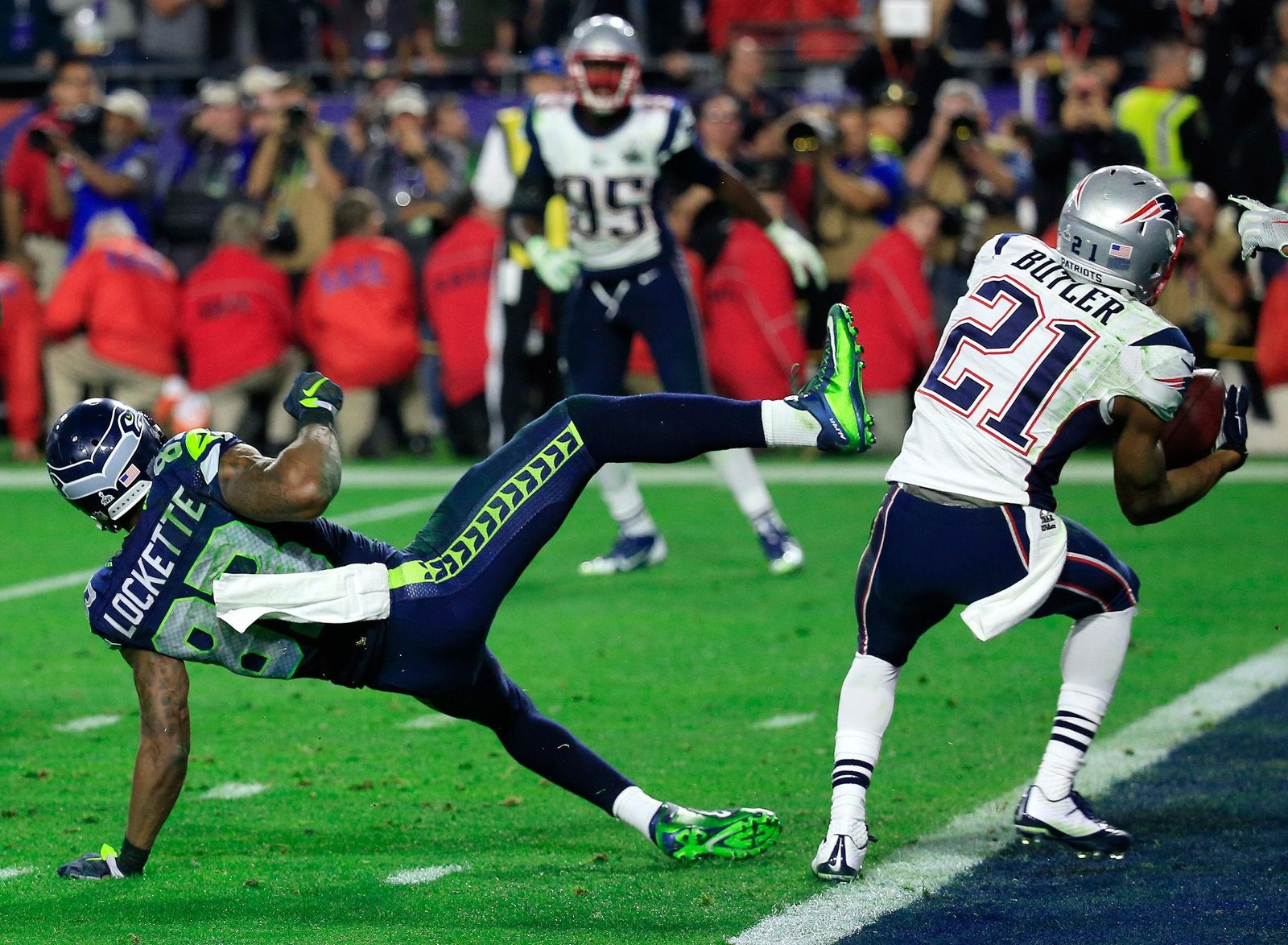
Malcolm Butler intercepted Russell Wilson near the goal line with 20 seconds remaining in Super Bowl XLIX. New England won 28–24 on February 1, 2015. The play remains a central part of that game’s record, but it does not explain every later Seattle season.
The Seahawks’ contemporary account documents the closing sequence. Seattle had reached New England’s one-yard line before the interception ended its opportunity to retake the lead.
A decision and its outcome are different questions
It is reasonable to debate the pass call. A useful discussion considers score, down, time, timeouts and expected defensive response. It should also distinguish what was knowable before the snap from what became obvious after the interception.
An unsuccessful play is not automatically proof that every alternative would have worked. Equally, explaining the decision’s circumstances does not remove the need to examine execution.
The rematch is now history too
Seattle and New England met again in Super Bowl LX on February 8, 2026. Seattle won 29–13, according to the Patriots’ Super Bowl record.
Our LX overview covers that separate event. It is no longer accurate to ask whether Seattle might face New England in that game as though the pairing remains undecided.
What revenge can mean
Revenge is an interpretation of a sporting storyline. It is not a documented motive shared by every player, coach or supporter. A later win also does not change the score of an earlier defeat.
For bracket context, the Seattle–Rams explainer clarifies why that divisional pairing could not happen in the Super Bowl. Our forecast evaluation guide addresses the broader temptation to turn memorable history into certainty about a future result. The 2015 play and 2026 game are worth discussing with their own facts attached, without invented locker-room conversations or claims about a franchise’s collective psychology.


Leave a Reply