

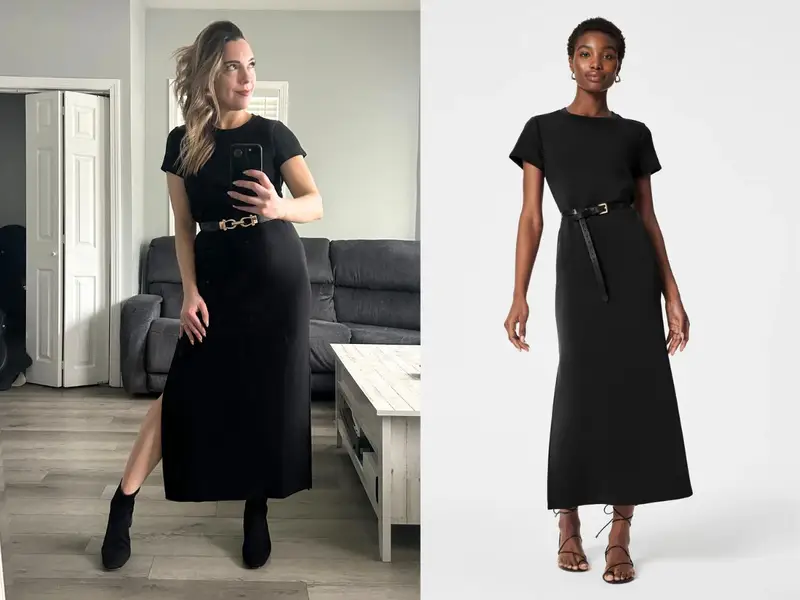
A long working day can include a commute, several different tasks and a change in temperature. Clothes that feel fine for five minutes in a fitting room may become awkward once you add an apron, fill the pockets or spend time seated. Plan for the whole day before buying a set of identical items.
This guide focuses on building and maintaining a shift wardrobe. For detailed fit checks, use the standing-shift clothing guide. Neither a fabric name nor a comfort label establishes that clothing prevents pain or fatigue.
List what the shift requires
Write down the dress code, the equipment you wear and the movements your tasks involve. Include whether you work near an entrance, move between rooms or need a change of clothes. Ask your employer about required uniforms, protective clothing and laundering before choosing alternatives.
A healthcare uniform, a kitchen outfit and warehouse clothing are not interchangeable. Keep any specified protection and cleaning requirements ahead of preferences about weight or style. Ordinary stretch trousers are not a substitute for clothing required for a particular hazard.
Try a complete outfit first
Test the trousers with your usual base layer and shoes. Sit, reach, walk and bend in the ways your work involves. Check the shirt under the uniform layer, not only on its own. Load pockets with your normal items and see whether the waistband shifts or the contents press against you.
Note the exact problem if something feels wrong. A shoulder seam that pulls calls for a different fit; another pocket will not solve it. An adjustable waist may help with fit, but stretch does not make an undersized garment suitable. For customer-facing tasks, see the retail work clothing guide.
Match the rotation to laundry
Count the shifts between realistic laundry days. If you need a clean uniform for each shift, plan enough sets for that interval and a spare where practical. This is more useful than adopting a fixed rule about owning three trousers or five shirts.
Read the care instructions before buying. Include drying time, ironing and any employer cleaning process in your plan. Buy one item first, wash it as directed and check for shrinkage, twisting seams, loose fasteners or a waistband that loses its shape. Only then consider multiples.
Use layers with a purpose
Try removable layers over the clothes you will actually wear. Check that sleeves fit under a jacket and that the extra layer does not interfere with equipment. A lighter fabric may feel preferable, but its weave, lining and construction matter alongside fibre content.
Pack a spare top if spills or a wet commute are a recurring problem and your workplace permits it. Keep clean clothing separate from used items. The work bag guide can help you compare compartments and carrying arrangements.
Review after use
Keep a short note of what needed adjusting during the day. Review clothing purchases against that list rather than buying another item with the same problem. Repair ordinary loose hems and buttons when practical; follow workplace rules for inspecting and replacing any protective clothing.



Leave a Reply