

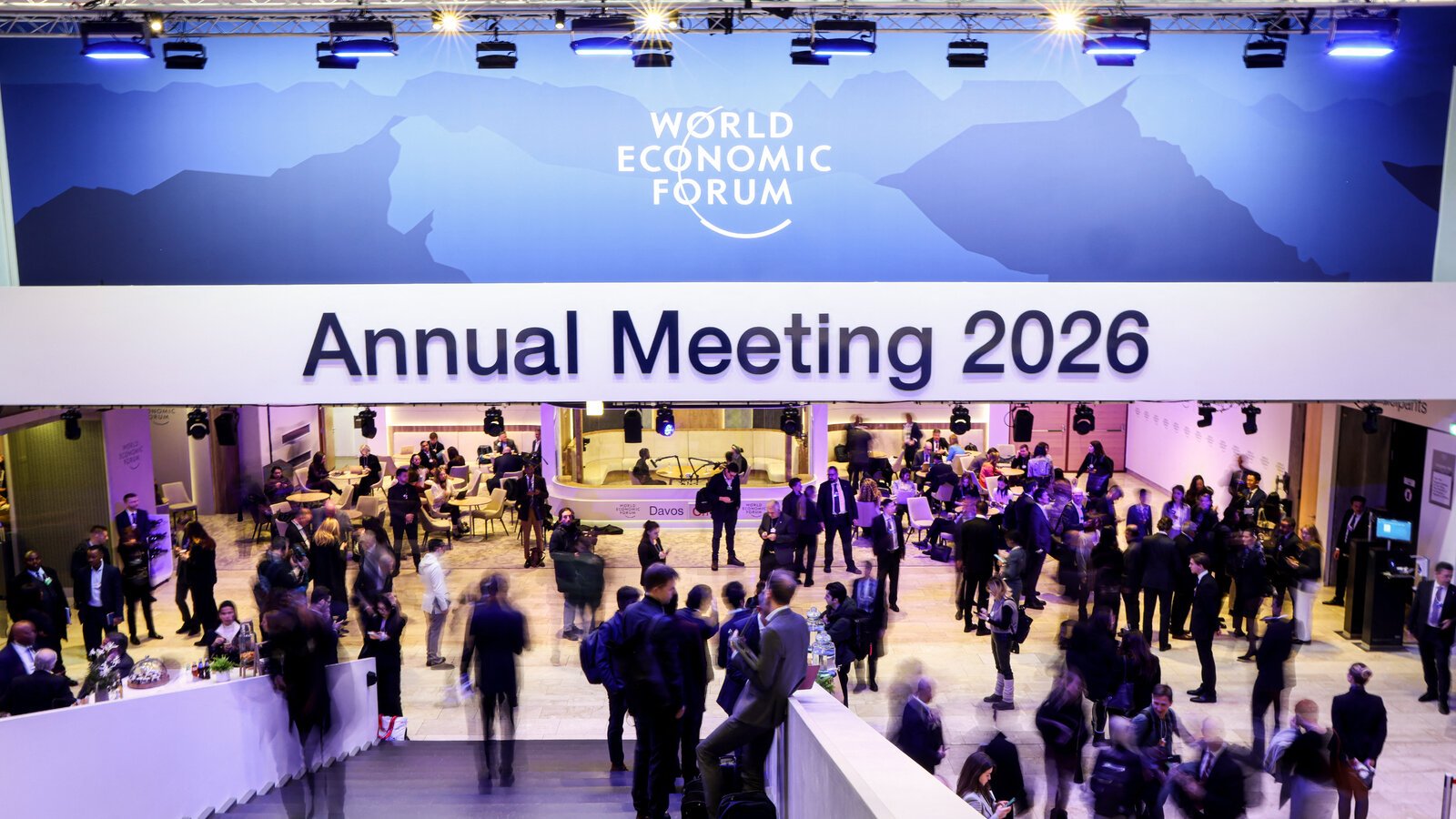
The World Economic Forum’s 2026 Annual Meeting took place in Davos-Klosters from January 19 to 23 under the theme A Spirit of Dialogue. The official meeting overview identifies those dates and its focus on geopolitical fragmentation, technology and cooperation.
The original January 21 article described the meeting as already over. It was still underway on that date. This revised account treats it as a completed, dated event rather than live market guidance.
What the agenda covered
The organiser’s overview highlighted AI, quantum computing, biotechnology, energy systems and the skills needed as work changes. An agenda identifies topics for discussion. It does not establish that every participant agreed on a policy or that a particular investment will succeed.
A useful takeaway should connect a speaker or session to an identifiable proposal, then distinguish that proposal from an enacted measure.
One speech illustrates the debate
On January 20, Canada’s Prime Minister Mark Carney argued that middle powers should cooperate as economic dependence becomes a source of pressure. Our Carney speech analysis examines that argument and its limitations using the official transcript.
Security was another strand. NATO’s January 22 account records Mark Rutte’s discussions of transatlantic cooperation and Arctic security. Our Greenland explainer separates those discussions from territorial decisions.
Follow the implementing decision
A summit speech is not a treaty, budget appropriation or investment contract. Any binding effect depends on the specific instrument and the authority adopting it.
Likewise, statements about opportunities in AI or energy are not proof of future returns. The practical follow-up is to identify what was announced, who is responsible, what resources were committed and whether a later decision put it into effect. That provides a more useful record than declaring that Davos had already settled the year’s political and economic direction.


Leave a Reply