

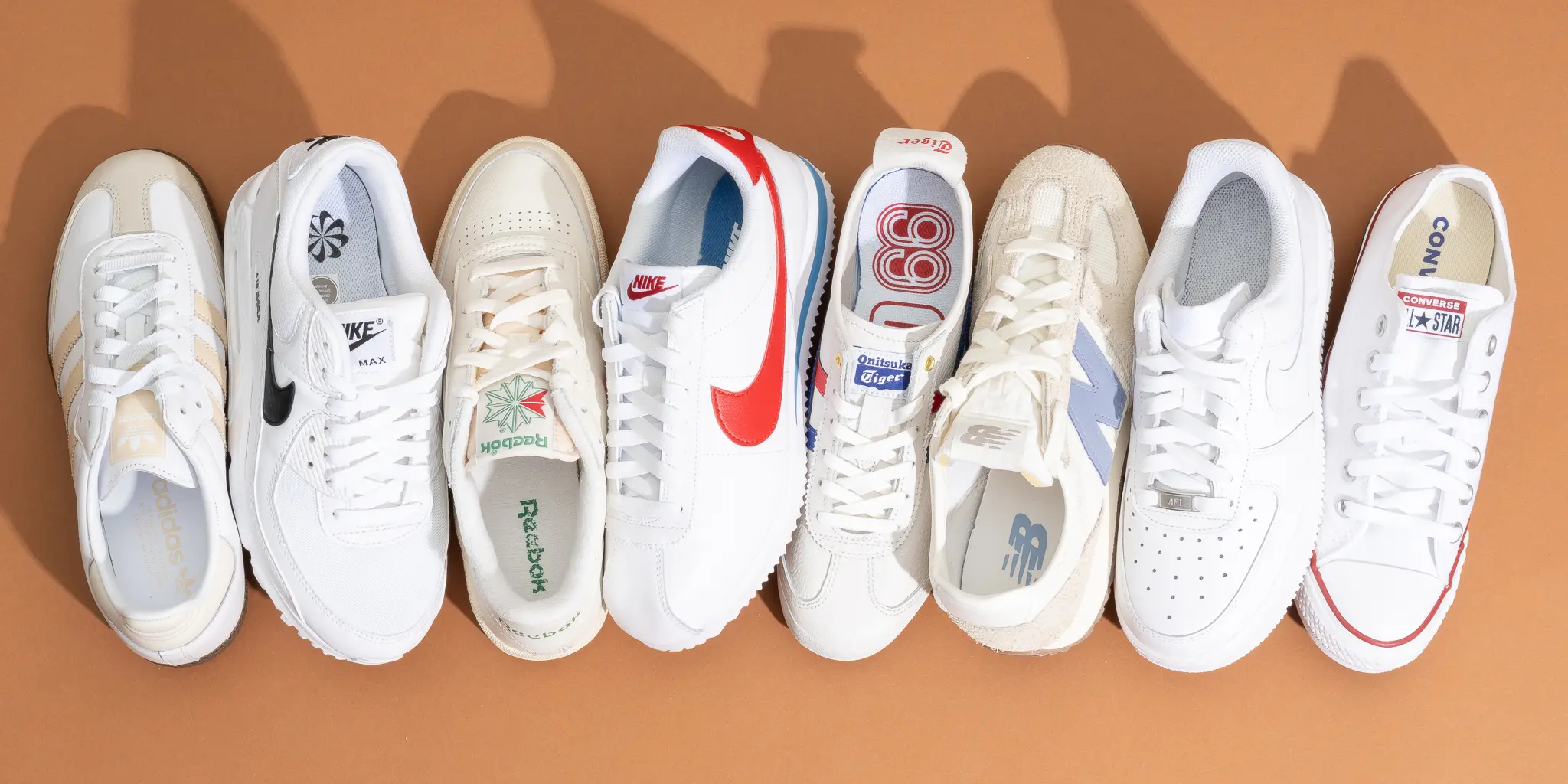
Flat feet are common, and many people with low arches have no pain or activity limitations. If your shoes fit and your feet feel comfortable, you may not need to change anything. If you are shopping, focus on how the individual pair fits and feels rather than assuming every person with flat feet needs the same shoe.
This guide uses clinical and manufacturer information. It is not a diagnosis or a ranking based on independent wear tests.
Flat feet do not automatically require treatment
The NHS flat-feet guidance says treatment is not usually needed when flat feet cause no problems. It recommends seeking medical advice for pain, stiffness, weakness or numbness, walking or balance problems, a newly flattened foot, or a change affecting only one foot.
Flat feet and overpronation are not interchangeable diagnoses, and a shoe cannot be assumed to correct your movement or prevent an injury. If you have symptoms, a clinician can assess your situation and discuss whether footwear, an insole or another approach might help.
Compare shoe features, not just the brand
Fit first
Try both shoes with your usual socks. Look for sufficient room at the toes and across the foot, a comfortable heel and no pressure from the upper. If you have wide feet, the wide-foot sizing guide explains how to compare width labels.
Support and cushioning
Some shoes are marketed as stability models and others as neutral models. Those categories include many different constructions. Try several pairs and compare how they feel during the activity you plan to do. More arch pressure or more cushioning is not automatically better for everyone.
Removable insoles
If you already use a prescribed or recommended insole, take it to the fitting. A removable liner may create space, but the shoe still needs enough depth and a secure fit. Ask the person who supplied the insole whether the shoe works with it.
A manufacturer example
ASICS describes the GEL-KAYANO 32 as a stability running shoe in its product announcement. This is one example of how a brand positions a model, not evidence that it is the best choice for flat feet or that it treats pain. Check current US availability, the exact version, width and fit before buying.
For work shifts, choose among shoes that also meet your employer’s rules. The long work shifts guide covers different hazards and tasks; a comfortable everyday sneaker may not meet a protective-footwear requirement.
Buying and caring for shoes
Compare size charts, width choices, full cost and return terms. If ordering online, try shoes indoors first when the seller requires it. Our online shoe-store guide has a checklist for comparing sellers.
Check the outsole and upper for wear. Replace shoes when they are damaged or no longer suit your needs; there is no universal replacement schedule. If discomfort persists, get individual advice rather than relying on a brand name.
Frequently asked questions
Do flat feet always need arch support?
No. Many people with flat feet have no symptoms and do not need treatment. If you have concerns, ask a clinician what is appropriate for you.
Are flat feet the same as overpronation?
No. Arch shape and the way a foot moves are related but different concepts; one alone does not establish a diagnosis.
Will a stability shoe cure flat feet?
A shoe is not a cure for foot shape. Fit and comfort vary, and persistent symptoms should be assessed individually.



Leave a Reply