

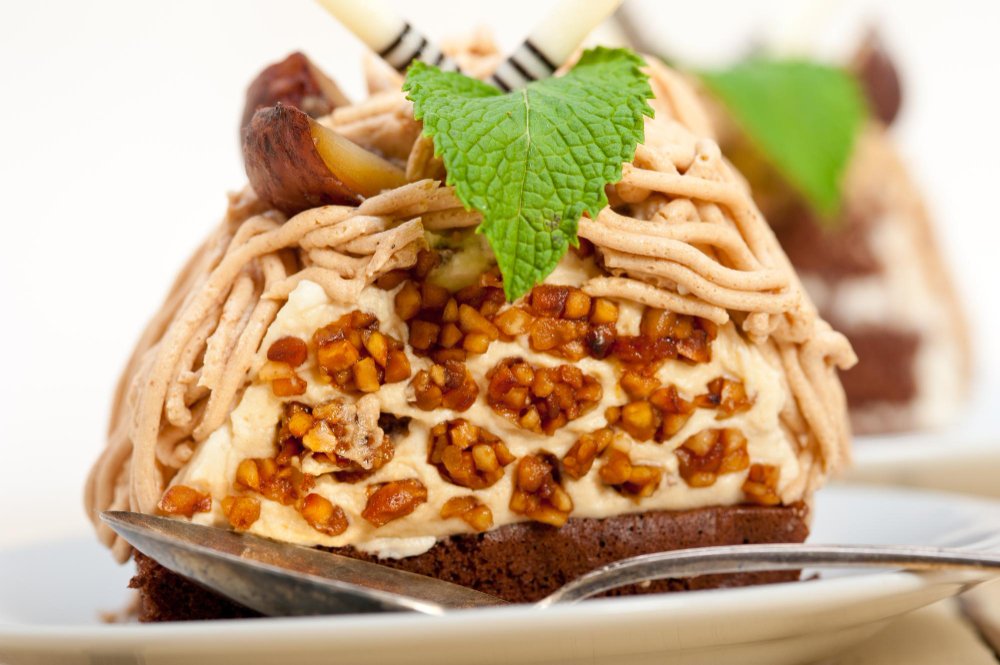
Peanuts, pretzels and ice cream bring three useful contrasts to a frozen dessert: nuttiness, salt and a creamy filling. The challenge is keeping those layers manageable to assemble and serve. Decide on the structure before buying ingredients, rather than combining several incomplete recipes.
This is a planning guide, not a tested formula with verified yields or nutrition figures. For precise quantities, pan dimensions and setting time, choose one complete ice cream cake recipe and follow it consistently. Changing the base, filling and container at once makes the result harder to predict.
Choose one base
A baked cake base and a pressed crumb base behave differently. If using cake, bake it from a complete recipe and let it cool fully before adding ice cream. If using pretzel crumbs, follow a recipe that specifies the binder, proportions and whether the crust is baked or chilled.
Do not assume peanut butter can replace butter in equal amounts or that any amount of crushed pretzel will form a sliceable crust. Keep the base thin enough for the intended dessert, using the measurements in your chosen recipe. A serving dish you can scoop from is another option when neat slices are not essential.
Organise the layers first
Make freezer space for the pan before starting. Gather the container, lining if specified, utensils, ice cream and toppings. Check that the pan and covering are suitable for freezer use. Read through the full method so you know which stages need to firm up before the next layer.
Use commercially prepared ice cream according to its storage instructions. Soften only as directed for spreading, work promptly and return the dessert to the freezer between stages when the recipe requires it. Freezing is not a way to make ingredients safe after poor handling.
Keep the crunch where you want it
Pretzels mixed into a moist filling will not necessarily stay crisp. If crunch matters, reserve some for serving rather than expecting an overnight frozen layer to have the texture of a freshly opened packet. Add sauces in the amount the recipe supports; too much can make layers slide.
Check every ingredient for allergens. Peanuts, milk, wheat and other allergens may appear across the layers, and product formulations vary. Our food claims guide explains why a front-label description cannot answer every ingredient question.
Serve with a plan
Follow the recipe’s serving instructions and keep the remaining dessert frozen. Cut only the portions needed, using suitable clean utensils. Do not leave the whole cake on a warm buffet while guests decide. Refer to FDA food-handling guidance for handling basics.
For a larger gathering, use the planning questions in our summer catering guide. If you are building confidence first, the beginner kitchen guide offers a more useful starting point than an elaborate dessert assembled in a rush.


Leave a Reply