

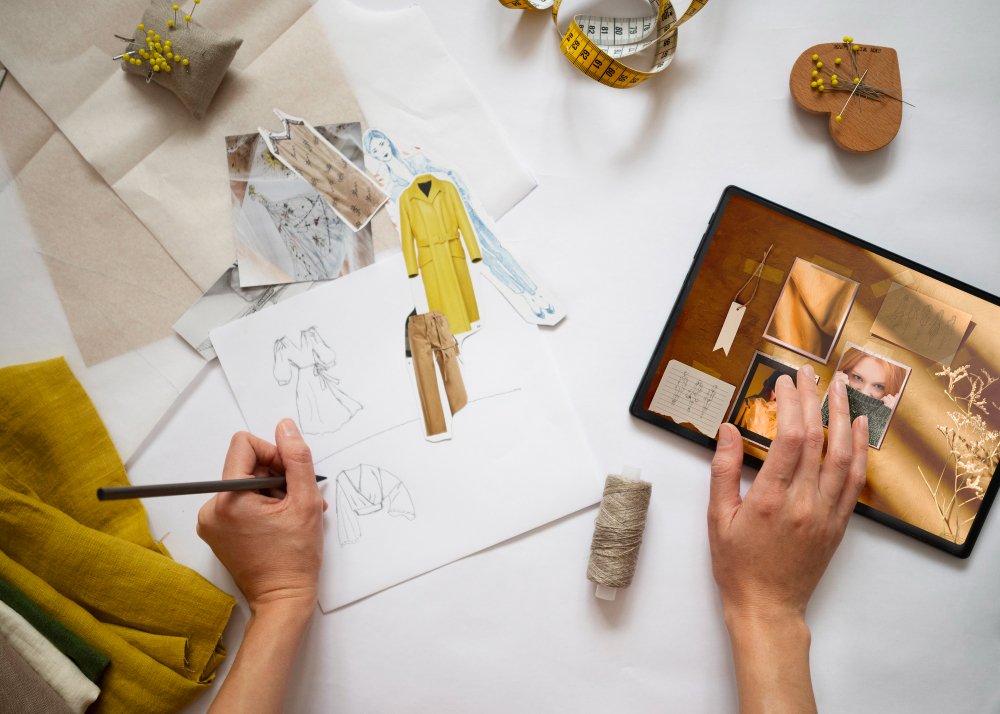
A fashion board is most useful when you can find an idea and apply it. Saving hundreds of unrelated images can make that harder. Organise references around a question you actually want to answer, such as which shoes work with your jeans or how to layer a favourite dress.
The thirteen themes below are suggestions for boards you can create, not a verified ranking of existing Pinterest accounts. Pinterest’s board guide and section guide explain the current organising features.
Outfit boards: themes 1 to 4
1. Outfits you can recreate. Save combinations using pieces similar to clothes you own. Note the feature you want to try rather than treating the image as a complete shopping list.
2. Work outfits. Separate examples that suit your workplace from occasion wear. Check the dress code before copying a photographed look.
3. Casual combinations. Collect repeatable jeans, trouser, dress or skirt outfits. The casual outfit guide provides starting points you can adapt.
4. Occasion planning. Keep references for a specific event together. Include comfort, weather and travel notes so the image remains connected to the actual day.
Design-detail boards: themes 5 to 8
5. Colour combinations. Record the shades and the amount of each colour you like. Use the palette guide to test a smaller version with your own clothes.
6. Layers and proportions. Compare jacket lengths, trouser shapes and how tops are worn. Avoid assuming a pose proves how a garment fits in movement.
7. Shoes with hems. Focus on the relationship between footwear and trouser length. The jeans and boots guide gives one practical example.
8. Texture and accessories. Save a detail such as a knit beside smooth fabric or a scarf with a plain outfit. A small reference can be more useful than a full look.
Learning boards: themes 9 to 11
9. Fashion history. Follow images to the original museum, archive or other reliable source. Record the date and context instead of repeating an unsupported caption.
10. Care and repairs. Save instructions only when their source is clear and they apply to the garment. A short image caption is not enough for every fabric or repair.
11. Making and alteration ideas. Keep projects separate from ready-to-wear inspiration. Check skill, tools, measurements and instructions before cutting or changing anything.
Personal-reference boards: themes 12 and 13
12. Successful outfits. Record your own combinations if you want a reference for busy mornings. Check board visibility and sharing settings before adding personal images.
13. Considered purchases. Keep a small list of specific gaps, with measurements and a total budget. Remove items that no longer solve a need rather than letting saved images become automatic purchases.
Review rather than keep accumulating
Try one idea, photograph or note the result for yourself, and keep what worked. Follow a Pin to its original source before relying on a product claim, historical date or tutorial. The inspiration-photo guide explains how to borrow a feature without copying every item.
A useful board helps you make a decision or use clothes you own. It does not need to be large, public or organised exactly like someone else’s collection.



Leave a Reply