

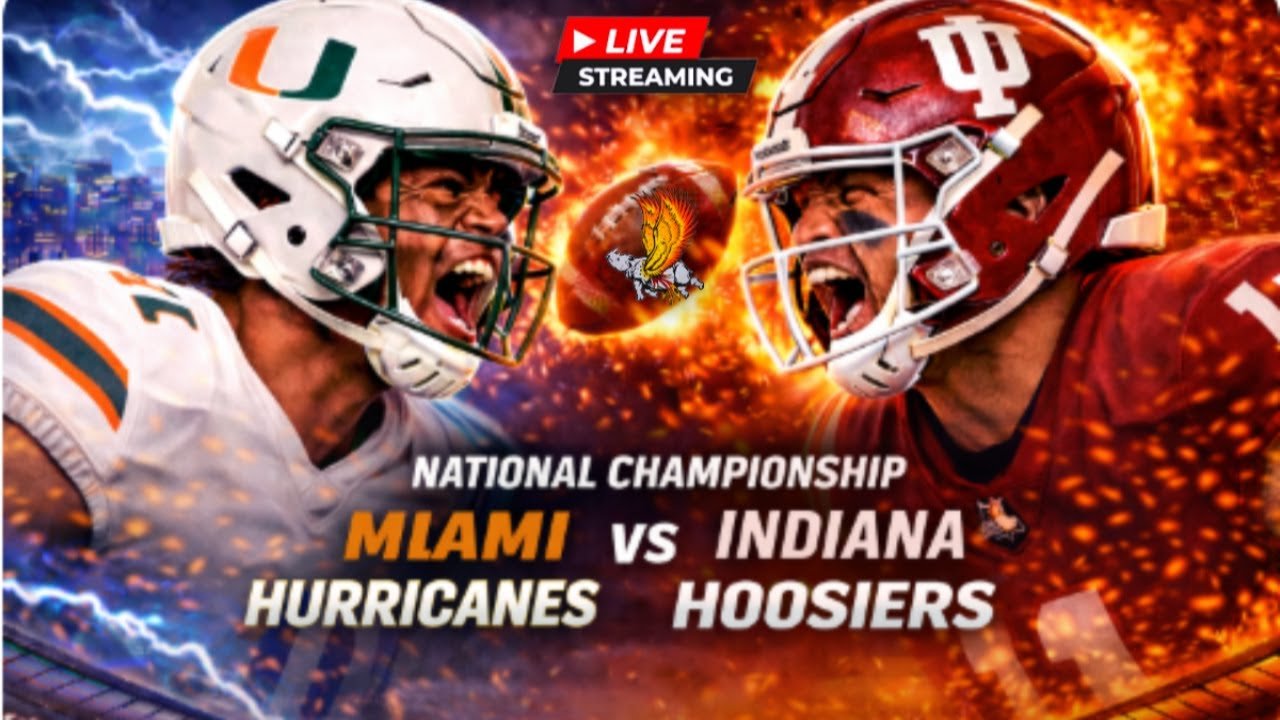
Indiana’s 27–21 win over Miami on January 19, 2026, completed a 16–0 season and brought the programme its first national football championship. The final was played at Hard Rock Stadium in Miami Gardens.
Those details matter because a championship story can quickly drift into a mixture of remembered highlights, wrong locations and assumptions about the teams. The Indiana account of the title is a primary reference for the achievement.
What an unbeaten finish establishes
A 16–0 record means Indiana won every game on that season’s schedule. It does not make comparisons with every champion from every era straightforward. Schedules, playoff formats and the number of games available have changed.
The useful first comparison is therefore within the season itself: opponents faced, route through the playoff and performance in the deciding game. Claims such as greatest ever require stated criteria, not just a memorable finish.
Miami’s role in the story
Miami finished 13–3, having reached the championship after beating Ole Miss in the semifinal. Losing the final does not erase those wins or reduce the team to a supporting character in another programme’s history.
For the blocked punt, fourth-down touchdown and late interception, use our focused final breakdown. Repeating the same play-by-play here would add another near-identical recap rather than another useful perspective.
What comes next is a separate question
A completed title season is a historical result. Forecasting the following season requires a new look at the roster, coaching responsibilities, injuries and schedule. The trophy does not remove those uncertainties.
There is also a distinction between being less prominent in national coverage and belonging to a different competitive subdivision. Montana’s FCS history illustrates that point. Both stories reward attention to programme context, but their championships should not be combined into one undifferentiated ranking. The record is impressive enough without invented fan quotations or claims that one night permanently settled college football’s hierarchy.
Leave a Reply