

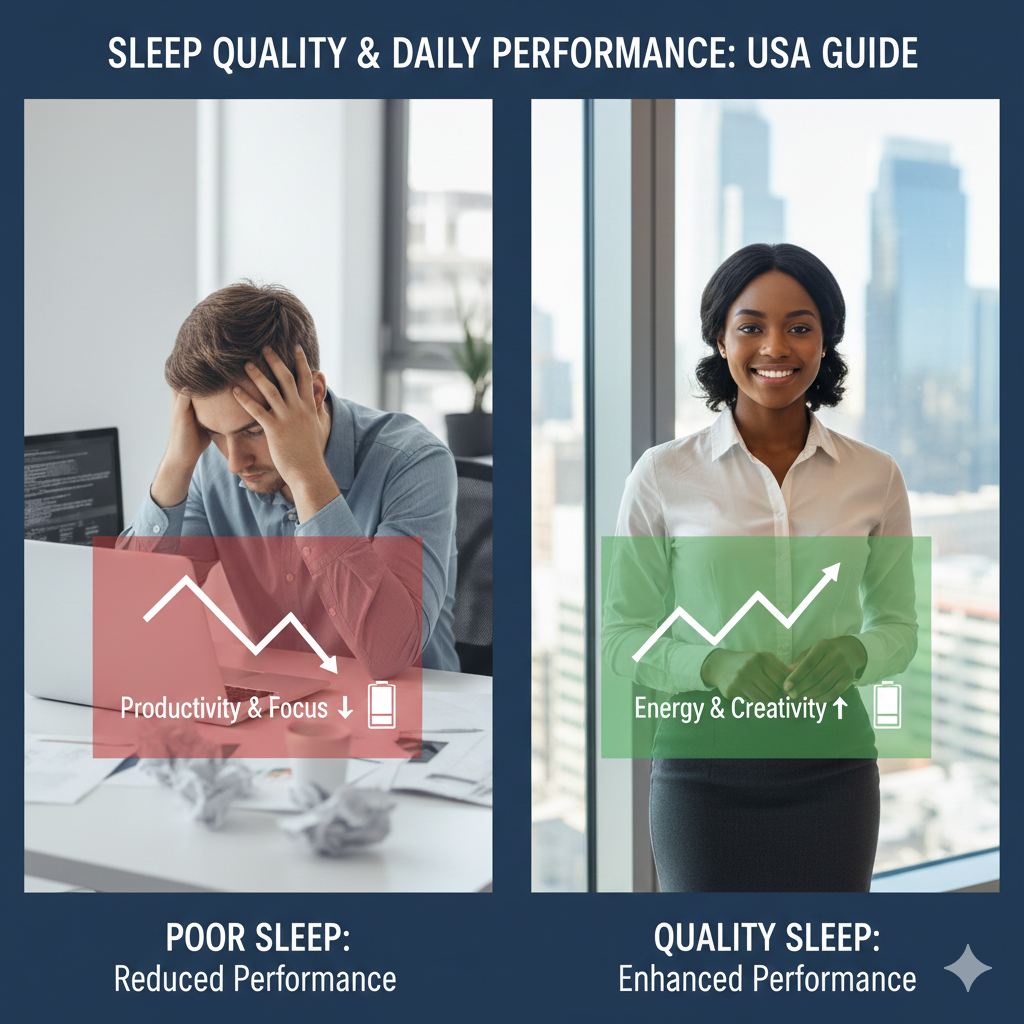
After a disrupted night, concentrating or staying patient may feel harder. Sleep matters for daily functioning, but tiredness alone does not reveal the cause of a sleep problem. The useful first step is to notice patterns rather than diagnose yourself from a single bad morning.
Time in bed, time asleep and how you function during the day are related but different. A wearable score is another estimate, not a complete assessment. Keep those distinctions in mind before changing your routine around one number.
Look beyond the number of hours
Consider whether you have enough opportunity to sleep, whether sleep is repeatedly interrupted and whether you remain sleepy during the day. Work schedules, noise, caregiving and symptoms can create different barriers. A routine that helps one person may not address another person’s main difficulty.
The CDC sleep overview explains that adequate sleep supports attention and memory as well as broader health. That does not mean a particular routine can promise an exact increase in productivity, grades or sporting performance.
Record useful observations
For a short period, note approximate bed and waking times, interruptions and daytime sleepiness. Include work shifts, naps, caffeine and any symptoms you want to discuss. Do not turn recording into another task that keeps you awake or encourages constant checking.
If you use a tracker, compare its estimates cautiously with your experience. A device may be useful for noticing a possible pattern, but it cannot settle a diagnosis. Bring relevant observations to a clinician instead of assuming the score proves that everything is fine or seriously wrong.
Make a few practical adjustments
Where your circumstances allow, keep a reasonably consistent schedule and prepare a quiet, dark, comfortable sleeping space. Review activities that delay bedtime and decide which can move earlier. Protect the time available for sleep rather than adding an elaborate ritual to a short night.
Our hot-night sleeping guide covers heat and cooling. For workload barriers, see health habits for professionals. These are practical starting points, not substitutes for treating a sleep disorder.
Take daytime sleepiness seriously
Do not drive or perform hazardous work when you cannot remain alert. Follow workplace safety procedures and seek help arranging a safe alternative when necessary. More determination is not a reliable response to dangerous drowsiness.
Discuss persistent sleep difficulty, loud snoring with breathing concerns, or ongoing daytime sleepiness with a qualified clinician. Review medicines and other health factors with that professional rather than stopping treatment yourself.
Judge changes by function
Ask whether a change made sleep more manageable and whether you feel more able to get through the day. Our wellness claims guide can help assess products that promise better rest. You do not need a perfect score or a growing collection of devices to ask for appropriate support.



Leave a Reply