

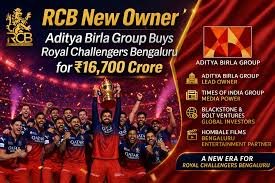
The Indian Premier League has witnessed plenty of dramatic moments on the field, but few off-field events shake the foundation of the tournament quite like a major franchise acquisition. Royal Challengers Bangalore (RCB), a team with one of the most passionate fan bases in cricket history, has officially entered a new era. The Aditya Birla Group has stepped in to acquire the franchise, signaling a massive shift in how the team will operate moving forward.
Fans have spent years supporting a franchise that boasts incredible star power but has consistently fallen short of lifting the coveted trophy. This change in ownership brings fresh hope, deep pockets, and a completely different corporate philosophy to the table. It represents a pivot from the previous management style to one backed by a multinational conglomerate known for aggressive expansion and long-term strategic planning.
Understanding the full scope of this acquisition requires looking at the financials, the corporate strategy, and the on-field implications. This transition will affect everything from player retention and auction strategies to global branding and fan engagement. Let us explore exactly what the Aditya Birla Group brings to Bangalore and how this monumental deal reshapes the landscape of the entire league.
Overview of the Acquisition
The transfer of ownership for a marquee sports franchise involves complex negotiations, massive capital, and a clear vision for the future. The Aditya Birla Group’s entry into the cricketing world is a calculated business maneuver designed to capture a significant share of the booming sports entertainment market.
Deal Details
While specific private financial terms are often closely guarded, the acquisition structure involves purchasing a majority stake from the previous owners, United Spirits Limited (Diageo). The investment size is estimated to be in the hundreds of millions of dollars, reflecting the astronomical rise in the valuation of cricket franchises over the last decade. This buyout grants the Aditya Birla Group complete operational control, allowing them to restructure the board and implement their own management team.
Why Aditya Birla Group Entered IPL
The decision to purchase RCB aligns perfectly with the conglomerate’s strategy for consumer-facing brand expansion. The group already holds a massive presence in retail, telecommunications, and financial services. Owning a cricket team provides a unique platform to market these services directly to millions of highly engaged viewers. Furthermore, the sports investment trend has proven incredibly lucrative globally. Corporations recognize that live sports are one of the few remaining broadcasts that guarantee massive, real-time audiences. If you want to understand the mechanics behind these corporate moves, IPL Franchise Ownership Explained provides excellent context on how these massive conglomerates view their sports portfolios.
History of Royal Challengers Bangalore Ownership
To appreciate the magnitude of this change, we must look at where the franchise started and how it has evolved over the past fifteen years.
Previous Owners and Background
Vijay Mallya originally purchased the franchise in 2008 for $111.6 million, making it the second most expensive team at the time. The team was named after his liquor brand, Royal Challenge. Following Mallya’s financial troubles and exit from the country, the ownership transitioned fully to United Spirits Limited, which had been acquired by the British multinational alcoholic beverages company, Diageo. Under Diageo, the team stabilized corporately but often struggled to find a consistent winning formula on the pitch. You can learn more about the team’s early days by exploring the RCB Team History.
Financial and Branding Journey
Despite the lack of championship titles, RCB has consistently remained one of the most valuable brands in the tournament. The presence of global superstars like Virat Kohli and AB de Villiers ensured that merchandise sales, gate receipts, and sponsorship deals remained exceptionally high. The brand built a loyal, almost cult-like following. However, the corporate leadership under Diageo often treated the team as a peripheral asset rather than a core business focus.
What Changes for RCB After the Acquisition?
A new corporate parent means a total operational overhaul. Fans and analysts alike can expect immediate changes in how the franchise conducts its daily business.
Financial Strength
The Aditya Birla Group brings a level of liquid capital that allows for aggressive investments in infrastructure. This means upgraded training facilities, state-of-the-art sports science departments, and a larger budget for elite scouting networks. They can afford to outspend competitors on off-field personnel, ensuring the players have the best possible support system.
Strategic Direction
The previous ownership often relied on star power to drive the brand. The new strategy will likely focus on holistic team development. We will see a shift toward building a balanced squad rather than assembling top-heavy batting lineups. The focus will move toward long-term sustainability and consistent playoff appearances.
Management and Leadership
Expect sweeping changes in the front office. The new owners will install executives who have a proven track record in sports management. A strong IPL Team Building Strategy requires cohesive communication between the owners, the director of cricket, and the coaching staff. The Aditya Birla Group will likely bring in data-driven analysts to minimize emotional decision-making.
Impact on Team Performance
Ultimately, fans care about what happens on the pitch. Corporate restructuring is only successful if it translates to match victories.
Auction Strategy Changes
RCB has historically struggled at the auction table, often overspending on big names while neglecting crucial bowling resources. The new ownership will likely enforce a more disciplined, analytics-driven approach. They will prioritize squad balance, ensuring that every role is filled with capable backups. The upcoming auctions will be the first major test of this new philosophy. A deep dive into IPL Mega Auction Explained highlights how crucial this preparation phase is for a team’s long-term success.
Player Retention and Recruitment
Retaining a core group of players builds team culture. The new owners will look to secure young domestic talent on long-term contracts while making strategic international signings. The goal is to build a roster where the reliance on one or two superstar players is significantly reduced.
Branding & Commercial Impact
The commercial potential of RCB is already massive, but the Aditya Birla Group has the resources to push it even further.
Sponsorship Opportunities
With a massive conglomerate at the helm, the team can leverage internal brands for sponsorships while negotiating higher-tier external partnerships. The synergy between the group’s retail brands and the cricket team’s merchandising arm will likely result in a wider availability of team apparel and accessories across the country.
Fan Engagement Expansion
The “Play Bold” army is one of the most dedicated fan bases in sports. The new owners will aim to monetize and reward this loyalty through enhanced digital platforms, exclusive fan experiences, and year-round content. Understanding the IPL Brand Value Growth shows that engaging fans outside the two-month tournament window is essential for maximizing revenue.
Comparison with Other IPL Team Owners
Looking at other successful franchises provides a blueprint for what the new RCB owners might attempt to replicate.
Mumbai Indians Ownership Model
Reliance Industries owns the Mumbai Indians, and their approach has been the gold standard for cricket franchises. They invest heavily in scouting, year-round player development, and top-tier coaching staffs. They treat the team as a core corporate asset rather than a vanity project. The Aditya Birla Group will likely study the Mumbai Indians Dynasty to understand how consistent investment breeds championships.
Chennai Super Kings Ownership Model
India Cements backs the Chennai Super Kings, relying heavily on a stable core and trusting their captain and coach completely. While Mumbai relies on vast resources and scouting, Chennai relies on experience and calm decision-making. RCB’s new owners will need to find their own unique blend of these two successful models to build a winning culture.
Risks and Challenges
No acquisition is without its hurdles. The transition period will be closely monitored by millions of demanding fans.
Transition Risks
Changing the corporate culture of a sports team takes time. There may be initial friction as the new management implements its processes. If the front office interferes too heavily in cricketing decisions during the first few seasons, it could disrupt team harmony and lead to poor performances.
Fan Expectations
The RCB Fan Culture is intense. They demand success and have waited a very long time for a trophy. The new owners will face immense pressure to deliver immediate results. Managing these expectations while sticking to a long-term rebuilding plan will require excellent public relations and clear communication from the management.
Long-Term Vision for RCB
The Aditya Birla Group did not spend hundreds of millions of dollars just to participate; they bought the team to dominate.
Building a Championship Team
The primary objective is to break the championship drought. The management will focus on creating an environment that breeds success, utilizing data, sports science, and elite coaching. The ultimate corporate goal is to see the RCB First IPL Title 2025 become a reality, validating their massive investment.
Expanding Global Presence
Cricket is expanding globally, with new leagues popping up in the United States, South Africa, and the Middle East. The new owners will likely look to purchase sister franchises in these leagues, creating a global network of teams under the RCB banner. This strategy allows for year-round brand visibility and a broader scouting network.
What This Means for IPL as a League
The entry of another massive corporate player shifts the economic landscape of the entire tournament.
Increasing Corporate Interest
When a conglomerate like the Aditya Birla Group invests in cricket, other multinational corporations take notice. This acquisition validates the league as a premier investment opportunity, likely drawing interest from international investors and private equity firms looking to enter the Indian sports market.
Rising Franchise Valuations
The sheer size of this deal sets a new benchmark for franchise valuations. As media rights continue to soar and corporate giants bid for ownership, the barrier to entry for owning a cricket team reaches unprecedented heights. The IPL Business Model Explained demonstrates how limited supply and massive demand are driving these numbers into the billions.
The Future of Royal Challengers Bangalore
The acquisition of Royal Challengers Bangalore by the Aditya Birla Group marks a definitive turning point in the history of the franchise. It replaces an era of uncertainty and reliance on individual brilliance with a promise of structured, corporate-backed stability. For the players, it means better facilities and a data-driven approach to the game. For the fans, it brings renewed optimism that their unwavering loyalty will finally be rewarded with championship glory.
As the new management settles in and begins to shape the squad for the upcoming seasons, all eyes will be on Bangalore. The true measure of this acquisition will not be found in boardroom meetings or financial reports, but on the cricket pitch. If they can combine their massive financial resources with smart cricketing decisions, the long wait for an IPL trophy might finally come to an end.
Leave a Reply