

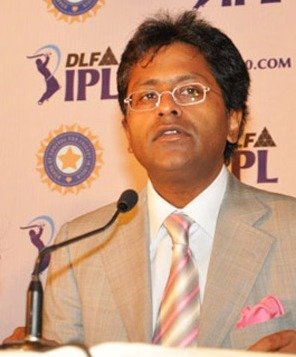
The Indian Premier League stands as a towering colossus in modern sports. It generates billions in revenue, commands the attention of millions across the globe, and dictates the very calendar of international cricket. But this massive empire was not an organic evolution of the sport. It was a calculated, high-stakes gamble engineered by one man with a radical vision for the future of cricket.
Before 2008, cricket was primarily a contest between nations. The sport relied heavily on tradition, long formats, and a gentlemanly approach to athletic competition. The concept of city-based franchises, player auctions, and cheerleaders seemed entirely foreign to the cricketing establishment.
Creating a tournament that merged high-octane sports with glamorous entertainment required breaking almost every established rule. This article explores the origins of the Indian Premier League, examining how Lalit Modi transformed a traditional sport into a global entertainment powerhouse. You will learn about the challenges faced during the league’s inception, the business model that sustains its massive valuation, and the enduring legacy of that first unforgettable season.
Cricket Before IPL – The Traditional Era
Dominance of Test and ODI Cricket
For decades, the rhythm of cricket was dictated by Test matches and One Day Internationals (ODIs). Test cricket, spanning five days, was the ultimate trial of skill and endurance. ODIs offered a shorter alternative, taking a full day to complete. While these formats had massive followings, they required a significant time commitment from fans. As the entertainment landscape shifted, the slow-paced nature of traditional cricket struggled to capture the attention of a younger, highly distracted modern audience.
Rise of T20 Cricket Globally
The introduction of Twenty20 (T20) cricket in England in 2003 was initially viewed as a gimmick to boost domestic attendance. However, the format’s three-hour duration perfectly matched the attention span of modern viewers. The turning point arrived during the inaugural 2007 ICC World Twenty20 in South Africa. India, a team initially reluctant to embrace the format, ended up winning the tournament. This victory ignited a massive passion for T20 cricket across the subcontinent. The audience shift toward shorter formats was suddenly undeniable, setting the stage for the Evolution of IPL Format (2008–2026).
Who Is Lalit Modi?
Early Career and Background
To understand the birth of the IPL, one must understand its architect. Lalit Modi possessed a sharp business mindset long before he entered cricket administration. Coming from a prominent business family, he had the resources and the audacity to think on a massive scale. His eventual entry into the Board of Control for Cricket in India (BCCI) positioned him perfectly to propose radical changes from within the establishment.
Vision for a New Cricket League
Modi looked beyond the boundaries of cricket for inspiration. He closely studied successful global sports leagues, particularly the National Basketball Association (NBA) and the English Premier League (EPL). He realized that cricket could adopt a similar structure. His vision was to create an entertainment and sports hybrid, a league where the drama of a live match was amplified by the spectacle of a major event. He knew that to make this work, the league needed a solid financial foundation, leading to the creation of what we now recognize in the IPL Business Model Explained.
The Idea That Changed Everything
Concept of Franchise-Based Cricket
The core of Modi’s idea was shifting fan loyalty from national teams to city-based franchises. This was a monumental shift for Indian cricket fans who were accustomed to supporting the national squad. Modi introduced the concept of private ownership, allowing corporations and celebrities to bid for city-based teams. Furthermore, he implemented player auctions, a system where athletes were treated as highly valued free agents.
Entertainment + Cricket Model
Cricket was no longer just a sport; it was an evening out. Modi brilliantly fused Bollywood with sports by encouraging movie stars to buy teams and attend matches. He introduced cheerleaders, stadium music, and night matches under floodlights. This transformed a cricket match from a purely athletic contest into a vibrant, family-friendly carnival. To understand how these early decisions shaped the league’s financial structure, one only needs to look at the IPL Auction History Explained.
Challenges and Resistance
Opposition Within Cricket Boards
Modi’s bold ideas did not find immediate acceptance. Traditionalists within the BCCI and global cricket boards viewed the proposed league with intense skepticism. They feared that a franchise-based T20 league would cannibalize international cricket and dilute the sport’s prestige. Many influential figures actively opposed the initiative, seeing it as a disruption to the established order.
Financial and Operational Risks
Beyond the political battles, the sheer financial and operational risks were staggering. Securing major sponsors for an unproven concept during a period of global economic uncertainty was difficult. Potential team owners faced investment uncertainty, unsure if Indian fans would actually support localized franchises. Overcoming these hurdles required immense persuasion and a watertight financial plan, which ultimately laid the groundwork for How IPL Makes Money.
IPL 2008 – The First Season
Launch of Indian Premier League
In April 2008, the Indian Premier League officially launched. The opening ceremony was a dazzling display of lights, music, and celebrity appearances. Eight city-based teams were introduced, featuring a mix of international superstars and local Indian talent. The player auction leading up to the tournament had already generated massive headlines, with cricketers securing life-changing contracts.
Instant Success and Global Attention
The very first match erased any lingering doubts about the league’s viability. Brendon McCullum’s explosive 158 not out for the Kolkata Knight Riders set the tone for the entire season. The TV viewership numbers were astronomical. Fan engagement exceeded all expectations, with stadiums packed to capacity. The tournament captured global attention, proving that domestic cricket could rival international fixtures in popularity. This spectacular debut paved the way for the extensive IPL Winners List (2008–2026).
The Business Model That Made IPL Huge
Revenue Streams
The financial architecture of the IPL is a masterclass in sports management. The primary engine of the league’s wealth is media rights. Broadcasters pay billions to air the matches, recognizing the guaranteed massive audience. Additionally, the league generates substantial income through title sponsorships, in-stadium advertising, and merchandise sales. Ticketing, while a smaller piece of the pie, contributes significantly to individual franchise revenues.
Franchise Economics
The team ownership model was designed to ensure long-term profitability. While initial investments were steep, the central revenue-sharing model (where the BCCI shares a portion of media and sponsorship rights with the teams) guaranteed a safety net. Over the years, the ROI for investors has been staggering, with team valuations multiplying exponentially. A deeper look at IPL Media Rights Explained reveals just how lucrative this ecosystem has become.
How IPL Changed Cricket Forever
Impact on Players
The most profound impact of the IPL has been on the athletes. It offered unprecedented financial growth, turning talented cricketers into wealthy global icons overnight. Players no longer had to rely solely on national contracts to secure their futures. Furthermore, the league provided incredible global exposure, allowing young, unknown players to showcase their skills against the world’s best on live television.
Impact on Cricket Formats
The success of the Indian Premier League fundamentally altered the global cricketing calendar. It catalyzed the rise of T20 leagues worldwide, from Australia’s Big Bash League to the Caribbean Premier League. Every major cricketing nation rushed to replicate the formula. While international cricket remains important, domestic T20 leagues now dominate the sport’s economic landscape, a dynamic frequently analyzed in discussions about IPL vs Other T20 Leagues.
Controversies Around Lalit Modi
Governance Issues
The rapid rise of the IPL was accompanied by intense off-field drama. Lalit Modi’s aggressive management style and centralized control eventually led to severe governance issues. Allegations of financial irregularities, undisclosed stakes in franchises, and bypassing board protocols began to surface. Following the 2010 season, the BCCI suspended Modi, leading to his highly publicized exit from the very league he created.
Impact on IPL
Modi’s departure was a critical stress test for the league. Skeptics wondered if the tournament could survive without its charismatic founder. However, the business model was robust enough to withstand the leadership shift. The BCCI implemented stricter governance measures, ensuring stability afterward. The league continued to grow, proving that the institution was now larger than any single individual. The subsequent years saw significant IPL Governance and Management Evolution.
IPL Today – A Global Sports Empire
Growth into Billion-Dollar League
Today, the IPL is recognized as a decacorn, boasting a brand valuation that rivals the biggest sports leagues in North America and Europe. It commands a dedicated global audience, with millions tuning in from outside the Indian subcontinent. The tournament is a central pillar of the global sports economy, attracting elite sponsors and setting benchmarks for sports broadcasting.
Expansion and Innovation
To maintain its momentum, the league continuously embraces expansion and innovation. The addition of new teams, such as the Gujarat Titans and Lucknow Super Giants, broadened the league’s geographical footprint and increased the number of matches. Furthermore, the shift toward digital streaming has revolutionized how fans consume the sport, offering multi-camera angles and interactive viewing experiences. Fans eagerly anticipate the upcoming developments detailed in the IPL 2026 Complete Guide.
Future of IPL Beyond 2026
Expansion Possibilities
The appetite for franchise cricket shows no signs of slowing down. As the league looks ahead, expansion possibilities remain a hot topic. Adding more teams could extend the tournament window, generating even more revenue. There is also ongoing speculation about global editions or mini-tournaments held overseas to tap into the massive diaspora of cricket fans in North America and the Middle East.
Role of Technology
The next frontier for the league lies in technological integration. Artificial Intelligence and advanced analytics will play a massive role in player scouting, match strategy, and injury prevention. For the audience at home, technology will drive unprecedented fan engagement through virtual reality viewing experiences and personalized content delivery. These innovations will shape the Future of IPL After 2026.
The Enduring Legacy of a Cricketing Revolution
Lalit Modi’s gamble forever altered the trajectory of a historic sport. By blending the competitive spirit of cricket with the glitz of commercial entertainment, the IPL created an entirely new sports economy. It enriched players, captivated a new generation of fans, and forced cricket boards worldwide to adapt to a new reality.
Understanding the origins of this massive league provides valuable context for the current state of international sports. As the tournament continues to expand its influence and adopt cutting-edge technologies, its foundational principles remain intact. The blueprint drawn up in 2008 continues to dictate the future of cricket. To fully appreciate where the sport is heading, keep a close eye on the ongoing innovations within franchise cricket.
Leave a Reply