

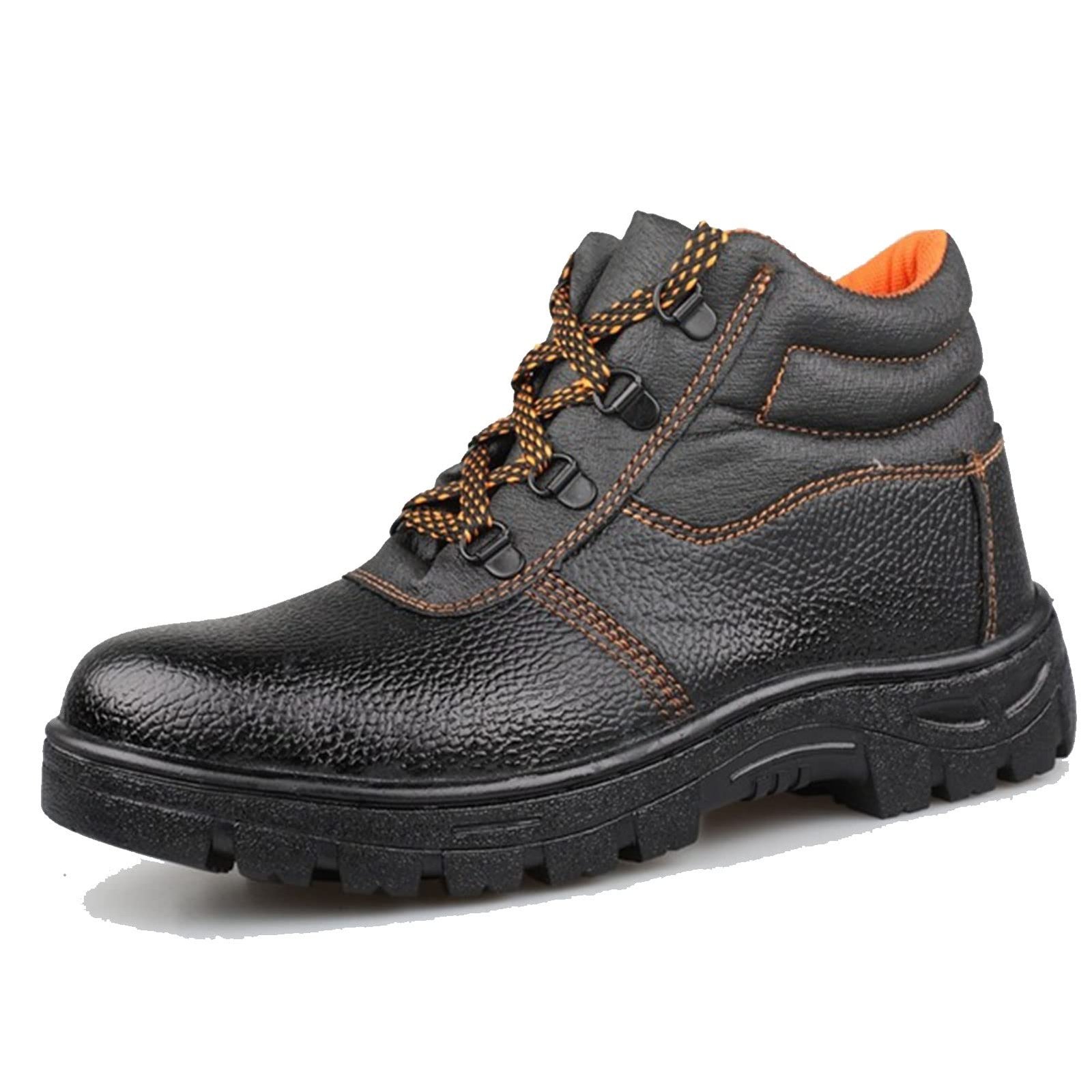
If you work in a warehouse, you know that your feet are your most valuable tool. The average warehouse associate can walk more than 15 miles a day on unforgiving concrete floors. That kind of mileage takes a toll, not just on your feet, but on your knees, hips, and lower back.
Finding the right footwear isn’t about fashion; it’s about survival. The right pair of shoes can mean the difference between clocking out feeling accomplished or limping to your car in pain. But with hundreds of options on the market—from heavy-duty steel toes to lightweight athletic styles—how do you know which pair is right for your specific job?
This guide breaks down everything you need to know about selecting the best footwear for warehouse environments in 2026. We will cover safety requirements, comfort features, and the top choices for different roles, helping you stay safe, compliant, and comfortable on the job.
Why Choosing the Right Shoes Matters for Warehouse Workers
Working in a warehouse is physically demanding. You are constantly on the move, lifting heavy boxes, operating machinery, and navigating potentially slippery surfaces. The environment itself presents unique challenges that standard sneakers simply can’t handle.
Long hours on concrete floors
Concrete is the standard flooring for almost every warehouse in the USA because it is durable and cheap. However, it offers absolutely no shock absorption. Every step you take sends a jolt of impact up your leg. Over an 8, 10, or 12-hour shift, this repetitive impact can lead to serious musculoskeletal issues like plantar fasciitis, shin splints, and chronic back pain. High-quality warehouse work shoes are engineered to absorb this shock so your body doesn’t have to.
Injury prevention and fatigue reduction
Fatigue is a major safety risk. When your feet hurt, you move differently. You might adjust your gait to compensate for the pain, which can throw off your balance and increase the risk of trips and falls. Furthermore, when you are physically exhausted from pain, your mental focus drifts, making accidents more likely. Proper footwear reduces fatigue, keeping you alert and agile throughout your shift.
Employer safety requirements
Beyond personal comfort, there is the matter of compliance. Many employers mandate specific types of warehouse safety footwear to comply with insurance policies and federal regulations. Showing up in unapproved shoes might not just get you sent home; it could leave you financially liable if you are injured on the job.
Key Features to Look for in Warehouse Shoes (2026)
Technology in workwear has advanced significantly. The best warehouse shoes in 2026 blend athletic comfort with industrial-grade protection. Here is what you should prioritize.
Safety toe (steel vs composite)
Toe protection is the most common requirement.
- Steel Toe: The classic choice. It offers the maximum protection against compression and impact. However, steel is heavy and conducts temperature, meaning your toes can get cold in refrigerated warehouses.
- Composite Toe: Made from materials like carbon fiber, Kevlar, or plastic. These meet the same safety standards as steel but are lighter and do not conduct heat or cold. They are also metal-detector friendly, which is a huge plus for security checkpoints.
Slip-resistant outsoles
Warehouses can be full of hazards like spilled liquids, sawdust, or polished concrete that becomes slick when humid. Slip-resistant work shoes provide essential traction. Look for outsoles with deep tread patterns designed to channel liquid away from the foot, ensuring a solid grip on slick surfaces.
Shock absorption and cushioning
This is arguably the most critical feature for comfort. Look for midsoles made from EVA foam or polyurethane. Memory foam insoles can also provide a custom fit that cradles your foot. The goal is to put a barrier between your heels and the hard floor.
Breathability and weight
Overheating leads to sweaty feet, which can cause blisters and fungal infections. Shoes with moisture-wicking linings or mesh uppers allow air to circulate. Weight is also a factor; saving a few ounces per step adds up to tons of lifted weight over a full shift.
Best Safety-Toe Shoes for Warehouse Workers
When heavy pallets and machinery are involved, protecting your toes is non-negotiable.
Steel-toe warehouse shoes
Steel-toe shoes remain the gold standard for heavy-duty protection. They are thinner than composite toes, often resulting in a less bulky silhouette. If you work in an environment with a high risk of heavy objects falling—like a lumber yard or heavy manufacturing facility—steel toe warehouse shoes offer peace of mind that is hard to beat. Brands like Timberland PRO and Keen Utility continue to lead this category with models that integrate comfort technologies to offset the weight of the steel cap.
Composite-toe alternatives
For many modern warehouse workers, composite toe work shoes are the preferred choice. They offer the necessary ASTM-rated protection without the “Frankenstein boot” feel. Because they are lighter, they cause less leg fatigue by the end of the day. If you walk extensive distances—like an order picker—composite toes are often the superior option.
When safety toes are mandatory
Always check your employee handbook. If your job involves operating a forklift, pallet jack, or moving heavy inventory manually, safety toes are likely mandatory. Even if they aren’t explicitly required, they are highly recommended. It only takes one dropped box to crush a toe and sideline you for weeks.
Best Non-Slip Shoes for Warehouse Environments
Slips, trips, and falls are among the most common causes of workplace injuries.
Oil- and slip-resistant soles
Not all rubber soles are created equal. Shoes labeled “slip-resistant” are tested on different surfaces (like wet ceramic or oily steel) to ensure grip. If you work in a food distribution center where spills are common, or an automotive warehouse where oil might be present, specialized non slip warehouse shoes are essential.
Traction on concrete floors
Polished concrete can be deceptively slippery, especially if there is a layer of fine dust. Shoes with a softer rubber compound often provide better grip on these smooth surfaces compared to hard plastic lugs, which can slide like skates on ice.
Warehouse accident prevention
Preventing a fall is always cheaper and less painful than recovering from one. Investing in high-quality slip resistant work shoes is a direct investment in your long-term health. Look for tread patterns specifically designed for industrial environments—often featuring hexagonal or chevron shapes.
Most Comfortable Shoes for Long Warehouse Shifts
If your feet hurt, nothing else matters. Comfort is subjective, but there are universal features that help.
Cushioning and arch support
Flat feet or high arches need different types of support. Many stock insoles are thin and flimsy. Don’t be afraid to swap them out for aftermarket orthotics. The best shoes for standing all day will have a substantial midsole that doesn’t collapse after a few weeks of wear.
Anti-fatigue technology
Some manufacturers now include “energy return” technology in their footwear. This usually involves specialized foams in the midsole that spring back when compressed, giving you a slight boost with each step. This anti-fatigue technology helps reduce the energy expenditure of walking, leaving you with more stamina at the end of the shift.
Reducing foot and back pain
The kinetic chain connects your feet to your knees, hips, and back. If your shoes lack support, your ankles roll inward (overpronation), twisting your knees and hips, and straining your lower back. Comfortable warehouse shoes align your body properly, attacking the root cause of chronic pain.
Lightweight vs Heavy-Duty Warehouse Shoes
The trade-off is usually between durability and agility.
Pros and cons of lightweight designs
Lightweight warehouse shoes, often styled like running sneakers, are fantastic for speed and agility. They reduce fatigue and are generally more breathable. However, the materials (often mesh and synthetic overlays) may not hold up as well against abrasion or sharp objects compared to leather.
Durability for heavy lifting roles
If you are kicking pallets into place or working in a gritty environment, you need heavy duty work shoes. Full-grain leather uppers and Goodyear welt construction offer superior durability. They will take longer to break in and are heavier, but they can last for years rather than months.
Choosing based on job type
- Fast-paced packing/picking: Go lightweight.
- Loading dock/heavy lifting: Go heavy-duty.
- Managerial/walking the floor: A hybrid “hiker” style often works best.
Best Shoes for Different Warehouse Roles
Not all warehouse jobs are the same, and neither are the footwear requirements.
Pickers and packers
Speed is the name of the game here. You are essentially a specialized athlete, walking miles every day. You need lightweight, flexible shoes with excellent shock absorption. Athletic-style safety shoes (often called “safety sneakers”) are ideal here.
Forklift operators
While you might not walk as much, you still need safety toes to protect against crushing hazards when you are off the machine. You also need a heel that rests comfortably on the floor of the cab without slipping off the pedals. A defined heel (rather than a flat wedge sole) can offer better control.
Loaders and material handlers
This is the heavy lifting crew. You need maximum ankle support to prevent twists while carrying loads, and aggressive traction for entering and exiting truck trailers. A mid-cut boot offers better ankle stability than a low-top shoe.
Safety Standards for Warehouse Shoes in the USA
Understanding the acronyms on the tongue label ensures you are buying the right gear.
OSHA footwear guidelines
OSHA (Occupational Safety and Health Administration) requires employers to ensure that employees use protective footwear when working in areas where there is a danger of foot injuries due to falling or rolling objects, or objects piercing the sole.
ASTM safety toe standards
In the USA, look for ASTM F2413 compliance. This standard covers impact resistance (I) and compression resistance (C). A label might read “ASTM F2413-18 M/I/C,” indicating it meets the 2018 standard for men’s footwear for impact and compression.
Employer compliance requirements
Some employers offer a stipend or reimbursement for OSHA warehouse shoes. Always check with your HR or safety manager before buying. They may have a specific catalog or approved vendor list you must use to qualify for reimbursement.
How to Choose the Right Size and Fit
A safety shoe that doesn’t fit is a torture device.
Toe room and width considerations
Your feet swell throughout the day. A shoe that fits perfectly at 7:00 AM might be too tight by 3:00 PM. Always try on shoes at the end of the day when your feet are largest. Furthermore, safety toes do not stretch. If the toe box feels tight in the store, it will always feel tight. You should be able to wiggle your toes freely inside the safety cap.
Insoles and orthotics
If you have specific foot needs, budget for aftermarket insoles. Remove the factory insole before inserting your own to ensure the shoe doesn’t become too tight.
Break-in period tips
Never wear a brand-new pair of work boots for a full shift on day one. Wear them around the house for a few hours, then for half a shift, gradually working up to a full day. This prevents debilitating blisters.
Common Mistakes Warehouse Workers Make When Buying Shoes
Avoid these pitfalls to save money and pain.
Choosing price over comfort
Cheap boots are expensive. A $50 pair of boots that hurts your feet and falls apart in three months costs more in the long run than a $150 pair that lasts a year and keeps you pain-free. Invest in your health.
Ignoring slip resistance
Assuming a hiking boot is slip-resistant is a common error. Hiking boots are designed for dirt and mud, not oily concrete. Check specifically for “slip-resistant” ratings suitable for industrial floors.
Wearing worn-out footwear
EVA foam midsoles compress over time and lose their shock-absorbing ability, often before the upper looks worn out. If you start noticing knee or back pain returning, it might be time to replace your shoes, even if they still look okay on the outside.
Frequently Asked Questions (FAQ)
Do warehouse workers need steel-toe shoes in the USA?
It depends on the specific job hazards. If there is a risk of heavy objects falling on your feet (like pallets or equipment), OSHA generally requires protective footwear. However, composite toes are often an acceptable (and lighter) substitute for steel, provided they meet ASTM standards. Always verify with your safety manager.
How often should warehouse shoes be replaced?
For a full-time warehouse worker walking average distances, shoes typically last 6 to 12 months. Signs you need to replace them include worn-down tread, exposed toe caps, or—most importantly—the return of foot and leg pain, which indicates the internal cushioning has failed.
Are running shoes good for warehouse work?
Standard running shoes are generally not recommended for warehouse work. While comfortable, they lack the durability, toe protection, and slip resistance required for industrial environments. However, many brands now make “safety sneakers” that look and feel like running shoes but include safety toes and industrial outsoles.
What shoes are best for concrete warehouse floors?
Shoes with maximum cushioning and shock absorption are best for concrete. Look for thick EVA or polyurethane midsoles and wedge-style outsoles, which distribute weight more evenly across the foot than boots with a defined heel.
Can warehouse shoes help reduce foot pain?
Yes. High-quality warehouse shoes provide arch support to prevent overpronation and cushioning to absorb impact shock. This reduces strain on the plantar fascia and joints, directly alleviating common sources of foot, knee, and back pain.
Final Thoughts on Warehouse Shoes for 2026
Your choice of footwear is one of the few variables you can control in a demanding warehouse environment. In 2026, there is no need to sacrifice comfort for safety. The market is filled with hybrid options that protect your toes while cushioning your heels.
Remember that comfort and safety go together. A worker who isn’t distracted by aching feet is a safer, more productive worker. Whether you choose a rugged steel-toe boot or a nimble composite-toe sneaker, ensuring it fits well and suits your specific daily tasks is crucial.
Investing in high-quality footwear protects long-term health. Don’t wait until you are limping home to make a change. Assess your needs, check your employer’s guidelines, and get the gear that supports you every step of the way.
Related Blogs:
Best Shoes For Teachers In The Usa 2026 Comfort Support Guide
Best Shoes For Warehouse Workers In The Usa 2026 Buying Guide
Best Shoes For Retail Workers In The Usa 2026 Comfort Guide
Best Travel Shoes In The Usa For 2026 Comfort Durability
Best Breathable Shoes For Summer In The Usa 2026
Best Lightweight Shoes In The Usa Comfort Without Bulk 2026
Best Places To Buy Shoes Online In The Usa Top Stores 2026
Trusted Online Shoe Stores In The Usa Safe Reliable Picks 2026
Where To Buy Cheap Shoes Online In The Usa Best Deals 2026
Best Everyday Shoes For Women In The Usa Comfort Style 2026
Best Casual Shoes For Women In The Usa Comfort Style 2026
Best Online Shoe Stores In The Usa Where To Buy Shoes In 2026
Best Shoes For Standing All Day For Women In The Usa 2026
Best Walking Shoes For Women In The Usa Comfort Support 2026
Best Casual Shoes For Men In The Usa Comfort Style 2026
Best Work Shoes For Men In The Usa For 2026 Top Picks
Best Mens Walking Shoes In The Usa For 2026 Top Picks
Best Shoes For Men In The Usa For Daily Use 2026 Guide
Best Casual Shoe Brands In The Usa For Everyday Wear 2026
Best Shoe Brands For Wide Feet In The Usa For 2026
Most Comfortable Shoe Brands In The Usa For 2026
Best Shoe Brands For Flat Feet In The Usa For 2026
Best Shoes For Long Work Shifts In The Usa For 2026
Best Shoe Brands For Standing All Day In The Usa For 2026
Best American Shoe Brands For Comfort In 2026
Best Shoe Brands For Everyday Wear In The Usa For 2026
Best Shoe Brands For Walking In The Usa For 2026
Affordable Work Shoes In The Usa For 2026 Comfort Safety Value
Best Cheap Everyday Shoes In The Usa For 2026 Comfort Value Picks
Types Of Shoes In Usa 2026
Best Affordable Shoe Brands In The Usa
2026 Shoe Trends Must Have Footwear For Every Season
Leave a Reply