

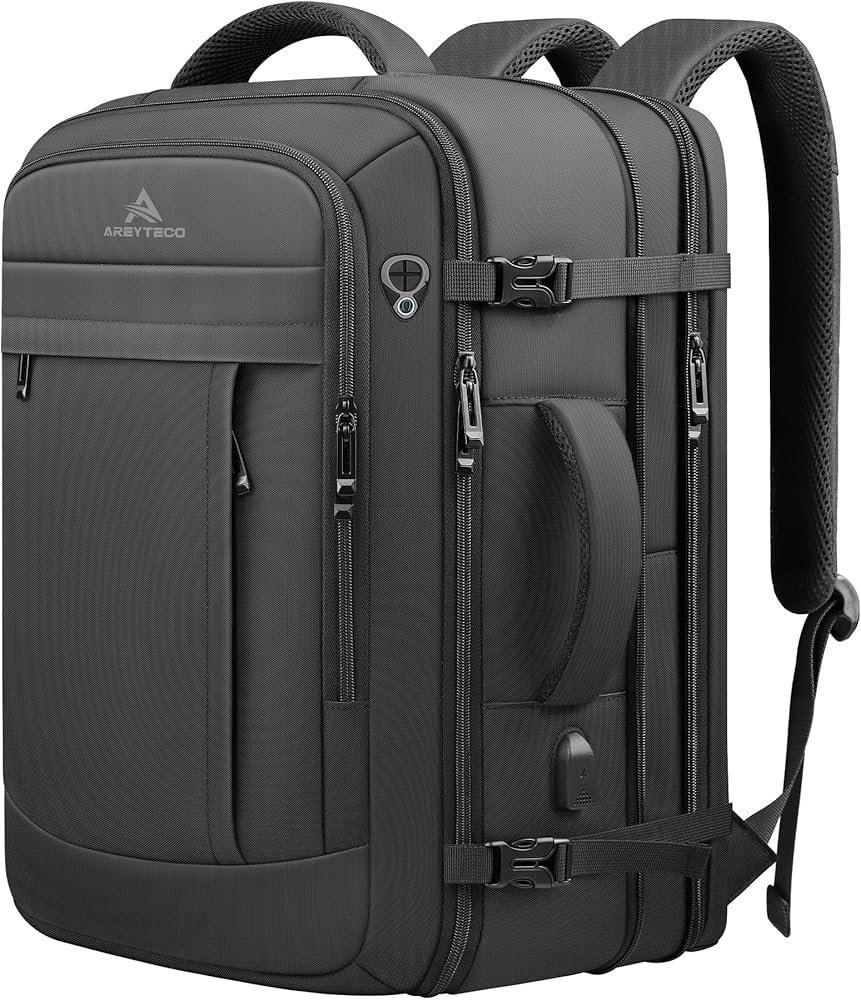
A travel backpack can make stairs and frequent transfers easier to manage, but it is not automatically the right choice for every trip. Consider how far you will carry it, what you need to pack and where you can do laundry before choosing a size.
This guide compares practical features rather than ranking tested products. A bag described as carry-on size still needs to be checked against the rules for your particular flight.
Begin with the journey
List the trip length, transport, accommodation and activities. A hotel-based city trip, a work visit and a hiking itinerary can require different carrying arrangements. Do not assume an urban travel bag has the fit or equipment features needed for a trail.
Make a packing list before selecting capacity. Include electronics, footwear and any bulky layers. Access to laundry may let you pack fewer clothes, but the useful amount depends on your own trip and preferences.
Check airline dimensions directly
Read the current baggage rules for the airline, fare and route you have booked. Check permitted dimensions, weight, item count and any fees. There is no single volume in litres that guarantees acceptance as a personal item or cabin bag.
Measure the packed bag, including protruding pockets, handles and anything attached outside. Expansion and overfilling can change its dimensions. The airline luggage guide provides a planning framework, but confirm the allowance with the carrier before departure.
Choose an opening that suits your packing
A suitcase-style opening lets you see much of the main compartment at once. A top opening may suit a different packing routine. Try removing the item you need during a journey without unpacking everything else.
Check the laptop compartment against the actual device and sleeve dimensions. A lay-flat compartment does not by itself exempt you from security instructions. Follow the checkpoint staff and the rules in effect when you travel.
Try the bag with a realistic load
Adjust the straps and walk with the packed bag where practical. Check whether it swings, presses awkwardly or is difficult to lift. If it has a hip belt, test whether its position and design work for you rather than assuming every belt carries weight in the same way.
Think about handling the bag on trains, stairs and at your accommodation. A grab handle can be useful, but check its placement and attachment. Do not treat a large capacity as a target weight to carry.
Plan for weather and daily access
Read the bag’s weather-resistance description. Water-resistant fabric or zips are not a guarantee that the packed bag will stay dry. Decide how you will protect electronics and documents if conditions require it.
Use the everyday backpack guide for daily access checks and the travel accessory checklist for organising smaller items. Before buying, compare the full cost, return terms and any extra sleeve or cover you need. Choose around the trip you have planned rather than a claim that one bag can do everything.

Leave a Reply