

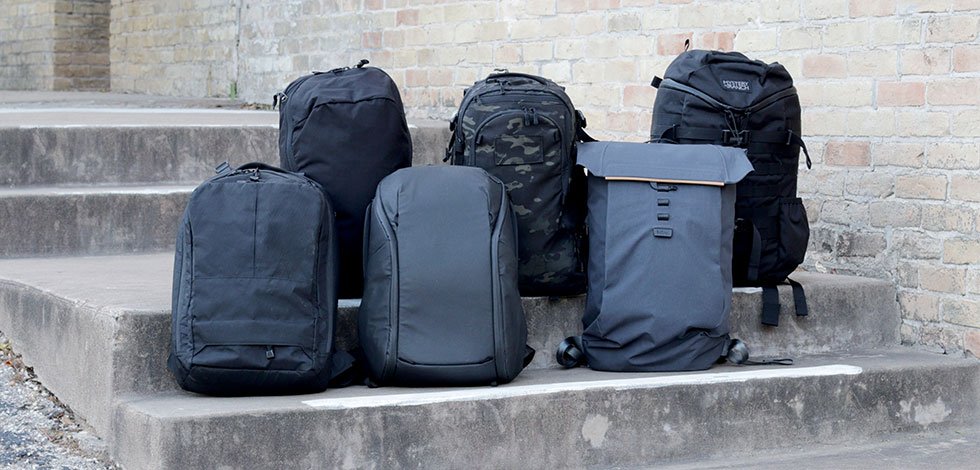
The search for the perfect daily companion is more than just finding a sack to hold your stuff. In 2026, our lives are more mobile and tech-integrated than ever before. We bounce between hybrid workspaces, coffee shops, gyms, and weekend getaways, often without stopping home in between. Your backpack is essentially your mobile base of operations.
Finding the right gear can transform a chaotic morning into a streamlined routine. A great backpack protects your expensive tech, saves your back from strain, and keeps your essentials within arm’s reach. But with thousands of options flooding the market—from heritage brands to Kickstarter darlings—narrowing down the field is tough.
Whether you need a sleek vessel for the boardroom, a rugged hauler for campus life, or a lightweight pack for urban exploration, the “perfect” bag depends entirely on your specific needs. This guide breaks down the top contenders for the best everyday backpacks in the USA for 2026, helping you cut through the noise and find a pack that fits your lifestyle.
What Makes a Backpack Ideal for Everyday Use?
Before dropping money on a new bag, you have to understand the anatomy of a great everyday carry (EDC). The best backpacks for everyday use in the USA share a few non-negotiable traits. If a bag fails in these categories, it is likely destined for the back of your closet within a month.
Comfort & Weight Distribution
You might have the most stylish bag in the office, but if it digs into your shoulders or causes lower back pain, it’s useless. In 2026, ergonomic design is standard. Look for S-curved shoulder straps that contour to your body and a sternum strap to disperse weight across your chest. Breathable back panels with air-mesh ventilation are also critical for preventing that dreaded sweaty back during summer commutes.
Capacity & Organization
The “Goldilocks” zone for an everyday backpack is typically between 20 and 26 liters. This size accommodates a laptop, a change of gym clothes, a water bottle, and tech accessories without feeling like you are hauling a camping rig. Organization is equally vital. A cavernous main compartment is fine for groceries, but for daily use, you want dedicated pockets for chargers, pens, and tablets to keep your gear accessible.
Material Durability
Your bag faces rain, spilled coffee, and rough transit floors. Materials like ballistic nylon, Cordura, and high-denier polyester offer the best resistance against abrasion. Water-resistant coatings (DWR) are also a must-have feature for anyone commuting in unpredictable weather.
Style Versatility
The lines between “work bag” and “gym bag” have blurred. The ideal everyday backpack transitions seamlessly from a morning meeting to an evening social hour. Clean lines, neutral colors, and minimal branding generally offer the most versatility.
Best Backpacks for Everyday Use in the USA (Top Picks)
When looking at the best backpacks for everyday use USA 2026, we see a trend toward modularity and sustainability. The market leaders this year are focusing on bags that can do it all.
The All-Rounder
For most people, the ideal choice is a mid-sized pack from heritage brands like The North Face or Osprey. Their updated 2026 lines continue to dominate because they balance cost, durability, and features perfectly. These packs often feature dedicated laptop sleeves that float above the bottom of the bag to prevent impact damage, alongside ample internal organization.
The Tech Specialist
For the digital nomad, brands like Aer and Peak Design remain top-tier. Their everyday packs are engineered for creators, featuring side access panels, customizable dividers, and weatherproof zippers. These are the best picks if you carry cameras, drones, or multiple hard drives alongside your lunch.
The Sustainable Choice
Eco-conscious shoppers are driving the popularity of brands like Patagonia and Cotopaxi, which utilize 100% recycled materials. These bags prove that you don’t need to sacrifice durability for ethics. They are rugged, colorful, and often come with lifetime repair warranties that ensure the bag stays out of a landfill.
Best Everyday Backpacks for Work & Office
Gone are the days when a briefcase was the only acceptable office carry. The modern workplace embraces the backpack, provided it looks professional. When searching for everyday work backpacks USA, prioritize structure and aesthetics.
Laptop Protection
This is the single most important feature for a work bag. Look for a padded, suspended laptop sleeve. “Suspended” means the pocket stops an inch or two above the bottom of the bag, so if you set the pack down firmly on a hard floor, your computer doesn’t take the hit.
Professional Design
A work backpack should maintain its shape even when empty. Floppy bags can look sloppy in a professional setting. Materials like waxed canvas or smooth, high-density nylon look sharper than standard hiking mesh. Black, charcoal, and navy remain the safest color bets for corporate environments.
Organization for Daily Essentials
Work bags need specific slots for the tools of the trade. You should have easy access to business cards, a notebook, pens, and perhaps a tablet. A separate “admin panel” pocket on the front of the bag is highly convenient for keeping these small items from getting lost in the main compartment.
Best Everyday Backpacks for School & College
Students have arguably the most demanding requirements for a backpack. It needs to survive being thrown on floors, stuffed into lockers, and overloaded with heavy textbooks. Everyday backpacks for students USA must be workhorses.
Comfort for Long Hours
Students often carry their bags from 8 AM to late evening library sessions. Thick, high-density foam in the shoulder straps is necessary to prevent fatigue. A padded waist belt can also be a lifesaver during long walks across campus with a heavy load, though many students prefer removable ones for style reasons.
Book & Gadget Storage
Despite the shift to digital, textbooks are still a reality. A school backpack needs a large main compartment with a wide opening (clamshell or deep zipper) to easily load and unload bulky binders. Additionally, a fleece-lined pocket for sunglasses or a smartphone protects screens from scratches.
Durable Materials
Campus life is rough on gear. Reinforced bottoms are essential, as packs are constantly set down on concrete, grass, and tile. Heavy-duty zippers (like YKK size 8 or 10) are also non-negotiable, as zipper failure is the number one reason students have to retire a bag early.
Most Comfortable Backpacks for Daily Use
If your commute involves walking or standing on public transit for extended periods, comfort becomes your primary metric. Comfortable everyday backpacks leverage hiking technology for urban environments.
Padded Straps & Back Panels
The suspension system is what dictates comfort. Look for dual-density foam straps that offer soft cushioning against the skin but firm support underneath. The back panel should follow the natural curve of the spine. Some high-end models even feature “trampoline” style mesh back panels that separate the pack from your back entirely, allowing for maximum airflow.
Breathable Designs
Heat buildup is a major discomfort factor. In 2026, advanced mesh materials and air channels are standard on top-tier comfortable packs. These channels allow hot air to escape from your back, keeping you cooler during summer treks to the train station.
Backpacks for Long Wear
If you wear your pack for more than an hour at a time, look for a bag with load-lifter straps. These are the small straps at the top of the shoulder harness that pull the weight of the bag closer to your body/center of gravity. This simple feature significantly reduces the sensation of the bag pulling you backward.
Affordable Backpacks for Everyday Use in the USA
You don’t need to spend $300 to get a reliable bag. The market for affordable everyday backpacks USA is robust, offering excellent value for budget-conscious buyers.
Budget-Friendly Options
Brands like JanSport and Herschel Supply Co. continue to offer iconic designs at accessible price points. While they may lack the advanced suspension systems of technical packs, they are incredibly durable and stylish. For simple daily use—gym clothes and a lunch box—these are often more than sufficient.
Best Value Backpacks
Value is about what you get for the price. Store brands from major outdoor retailers (like REI or EMS) often punch above their weight class. They frequently use similar materials to the big-name brands but cost 30-40% less because you aren’t paying for the logo.
Quality vs. Price Comparison
When buying affordable, inspect the stitching. High-stress points (where the straps meet the bag) should be “bar-tacked” (reinforced with dense stitching). If you see single rows of stitching on a heavy bag, it is likely to fail. Saving money is great, but replacing a cheap bag three times costs more than buying one quality bag.
Everyday Backpacks by Lifestyle & Use Case
One size rarely fits all. Your specific daily routine dictates which features are essential and which are superfluous.
Commuters & Office Workers
Slim profiles are king here. If you ride crowded subways or buses, a bulky bag is a nuisance to you and everyone around you. Commuter backpacks often prioritize vertical storage and weather resistance to protect electronics during rainy waits at the bus stop.
Travelers & Daily Walkers
If your “everyday” involves flights or weekend trips, look for a “travel pack.” These usually feature a luggage pass-through strap that slides over the handle of a rolling suitcase. They also tend to open like a suitcase (clamshell style) for easier packing of clothes.
Minimalists & Casual Users
For those who only carry a tablet, a water bottle, and a jacket, a heavy-duty backpack is overkill. Minimalist daypacks—often under 18 liters—offer a streamlined silhouette. These lightweight bags prevent you from overpacking and keep your carry nimble.
How to Choose the Best Everyday Backpack
Making the final decision requires a systematic approach. When looking for the best backpack for daily use, follow this checklist.
Size & Capacity Guide
Measure your torso length, not just your height. Most premium backpack brands offer size guides. Regarding capacity:
- 15-20 Liters: Minimalist. Good for a laptop and small items.
- 21-25 Liters: Standard EDC. Fits laptop, lunch, gym clothes.
- 26-30 Liters: Heavy duty. Good for large loads, groceries, or weekend trips.
Fabric & Water Resistance
If you live in Seattle, you need waterproof materials like TPU-coated nylon. If you live in Phoenix, breathable canvas or untreated nylon might be better to avoid heat retention. Always check the denier (D) of the fabric—higher numbers (like 1050D) generally mean thicker, stronger fabric, though modern technical fabrics can be strong even at lower weights.
Laptop & Tech Safety
Measure your laptop. A “15-inch” laptop sleeve varies by brand. Ensure your device fits snugly. If you carry a tablet as well, look for a dedicated secondary sleeve to keep screens from rubbing against each other.
Warranty & Longevity
A good backpack is an investment. Brands like Osprey, JanSport, and Eastpak offer famous lifetime warranties. Purchasing from a brand that stands behind its product is often worth the extra upfront cost.
Backpack vs Tote vs Messenger Bag
Is a backpack actually what you need? The backpack vs tote vs messenger debate comes down to ergonomics versus accessibility.
Comfort Comparison
Backpacks win on comfort, hands down. Two straps distribute weight evenly across both shoulders and the hips (if using a belt). Messengers and totes place the entire load on one shoulder, which can lead to spinal alignment issues and muscle strain over time.
Practicality for Daily Use
Messenger bags offer superior accessibility. You can swing the bag around to your front to grab your keys or wallet without taking it off. Backpacks usually require you to stop and remove the bag to access the main compartment. Totes offer the easiest access but the least security, as they are often open at the top.
Which is Best for You?
- Choose a Backpack if: You carry heavy loads, walk long distances, or ride a bike.
- Choose a Messenger if: You carry light loads, need constant access to gear, or wear suit jackets (backpack straps can wrinkle suit shoulders).
- Choose a Tote if: You have very light loads and prioritize style and easy loading.
Frequently Asked Questions (FAQ)
Q1. What are the best backpacks for everyday use in the USA in 2026?
The top contenders typically include versatile models from The North Face (like the updated Borealis), Osprey (Daylite series), and tech-focused bags from Aer and Peak Design. The “best” depends on whether you prioritize tech organization, outdoor durability, or professional style.
Q2. What size backpack is best for daily use?
For most Americans, 20 to 24 liters is the sweet spot. This provides enough room for a laptop, charger, water bottle, and a light jacket without becoming bulky or cumbersome on public transit.
Q3. Are backpacks better than shoulder bags for everyday use?
Ergonomically, yes. Backpacks distribute weight evenly across the strongest muscles in your back and shoulders. Shoulder bags can cause asymmetrical strain, leading to neck and shoulder pain if used for heavy loads over long periods.
Q4. Which backpacks are best for work and commuting?
Look for “tech commuter” backpacks. Key features include water-resistant materials, a suspended laptop sleeve, and a sleek profile that doesn’t look out of place in an office. Brands like Timbuk2 and Aer excel in this category.
Q5. Are affordable backpacks durable enough for daily use?
Yes, if you choose the right brand. Budget-friendly options from reputable companies like JanSport are famous for lasting decades. The key is to avoid “fast fashion” backpacks that prioritize trends over construction quality.
Q6. What features should I look for in an everyday backpack?
Prioritize comfortable straps, a padded laptop compartment, durable zippers (YKK is the gold standard), and at least one external water bottle pocket. Water resistance is also a major plus.
Q7. How long should a good everyday backpack last?
A high-quality backpack used daily should last between 5 and 10 years. Many premium brands offer lifetime warranties, suggesting their products can last virtually forever with proper care and occasional repairs.
Choosing the Right Backpack for Everyday Life
Selecting the right backpack is an investment in your daily comfort and efficiency. By focusing on how you actually travel and what you truly need to carry, you can avoid the trap of buying a bag that looks cool but functions poorly.
Remember to prioritize your physical health—ergonomics should always trump aesthetics when you are carrying weight on your back. Build a reliable everyday carry setup that works for you, and your future self (and your back) will thank you. Whether you choose a rugged outdoor pack or a sleek city commuter, the right bag is the one that makes your day just a little bit easier.
Leave a Reply