

Two tees with the same size label can fit very differently. One may be short and boxy, another long and narrow. Comparing casual clothing brands is more useful when you focus on the exact cut and how it works in your outfits.
This guide explains a comparison process rather than declaring one brand the best. It does not assume that a familiar name guarantees consistent sizing, durability or comfort across a whole range.
Choose the kind of casual outfit you want
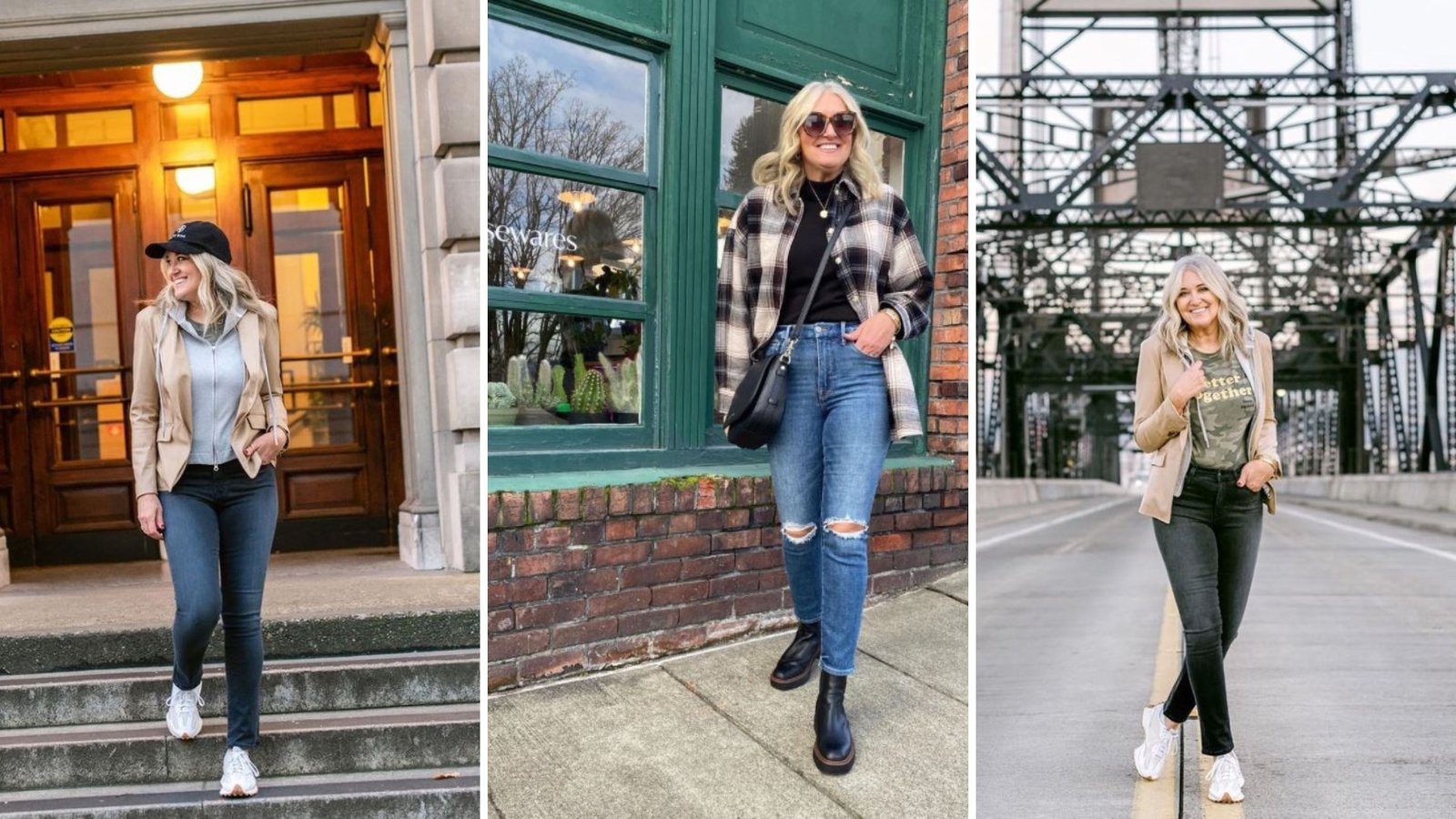
Start with a combination you enjoy wearing: jeans and a tee, chinos and a polo, a dress and cardigan, or trousers and an overshirt. Decide which part needs replacing. This narrows the search more effectively than browsing every new arrival.
For examples, see the men’s everyday wardrobe guide and women’s everyday wardrobe guide. Use the shapes and combinations that fit your taste and activities; department labels do not have to determine what you wear.
Use a few ranges as starting points
UNIQLO’s US site and Target’s brand directory provide places to explore casual ranges. Compare individual products and current availability. These examples are not a tested ranking or a claim that every item offers the same value.
Keep the shortlist manageable. Pick two plausible garments in the category you need and compare the details. A store with a suitable tee may not have the right trouser cut, so there is no need to buy every piece from the same label.
Compare measurements and construction
Measure a comfortable garment flat and use equivalent measurements from the product page. Check body versus garment sizing carefully. For tops, consider shoulder position, width and length; for bottoms, check rise, leg shape and inseam.
Inspect seams, hems, fasteners and pocket openings. Feel the inside against your skin where possible. Fabric weight, weave and finish matter alongside fibre content. Avoid assuming that a thicker fabric is always better or that a performance label establishes a result.
Try the clothes in an outfit
Wear the shoes and layers you expect to use. Sit, bend and reach. Check whether sleeves fit under a jacket and whether the hem works with your chosen bottom. Look at light fabrics in daylight for coverage and opacity.
Read the care label before keeping the item. If you need simple washing, decide whether an item requiring specialist care is practical. Try one garment before buying several colours of a new cut.
Compare value after the fitting checks
Add delivery, tax and alteration costs to the purchase price. Read return terms, including sale exclusions. A discount is useful when the item fits a real need; it does not repair an unsuitable cut.
The budget buying checklist can help you record the comparison. After normal wear and washing, note what worked so the next purchase is guided by your experience with the garment, rather than a broad reputation for the brand.


Leave a Reply