

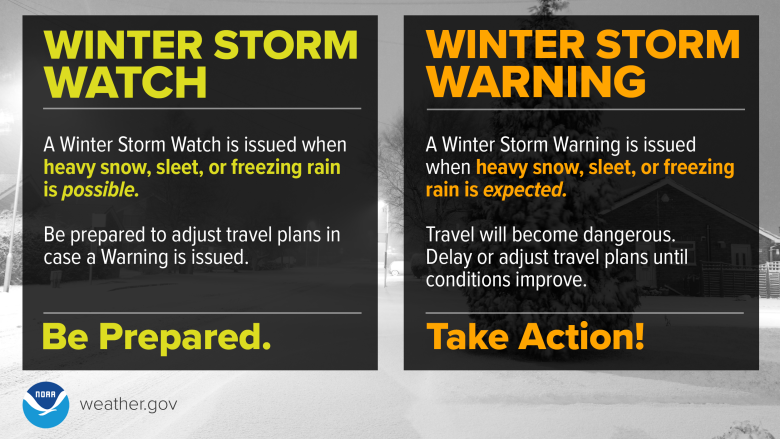
When a winter storm watch includes your area, the useful next step is to check what it covers and prepare for the possible impacts. This page does not claim a watch is active anywhere today. Use the current official alert for that question.
For the terminology, start with our winter storm watch explainer. The checklist below focuses on household decisions rather than repeating the definition.
Confirm place and time
Read the alert’s named area and valid period. Compare those with your home, workplace and travel route. A trip can cross areas with different conditions, and a clear sky now does not answer what is forecast later.
Check transport operators, school or workplace announcements through their official channels. Do not assume a weather alert itself announces a closure or changes a booking’s cancellation terms.
Review essential supplies and support
The NWS preparation guide covers supplies for loss of heat, electricity and telephone service. Review food, water, lighting, medicines, charging and the needs of children, pets or anyone requiring assistance.
Plan early for powered medical equipment or other essential needs with the appropriate provider and local services. A generic article cannot determine the right backup arrangement for an individual medical situation.
Use heating and backup power safely
Follow current official safety advice and equipment instructions. Never use a generator indoors or in an enclosed space. Keep carbon-monoxide and fire safety in the plan rather than improvising once electricity fails.
Our Entergy outage guide explains why a map’s restoration estimate is not a guaranteed household deadline. Keep a backup communication route if mobile service or internet access is interrupted.
Reassess travel before leaving
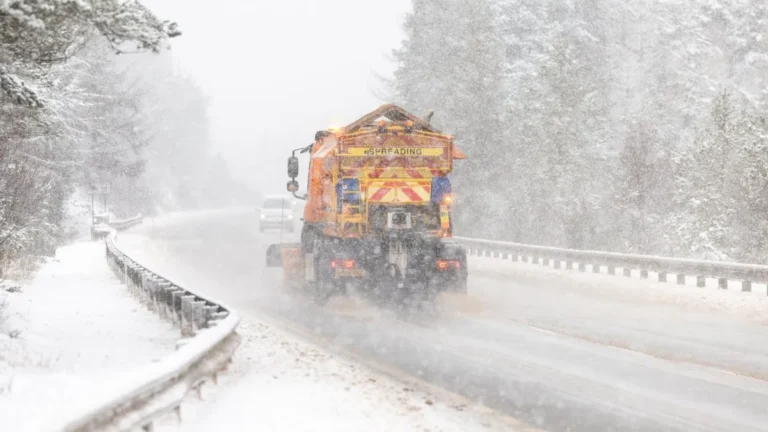
Check official road conditions and the forecast for the whole journey. Consider whether the trip can be delayed under the relevant advice. Do not interpret a smaller snow total as proof that ice, visibility or wind will be harmless.
For reading a snowfall map, see the NYC forecast guide. The principles of timestamps, location and uncertainty apply more widely too.
Keep checking updates
Warnings and forecasts can change as the event approaches. Use the latest official information and record what decisions still need to be made. Preparation is most useful when it is tied to your actual needs, not an undated claim that a storm is definitely arriving.
Leave a Reply