

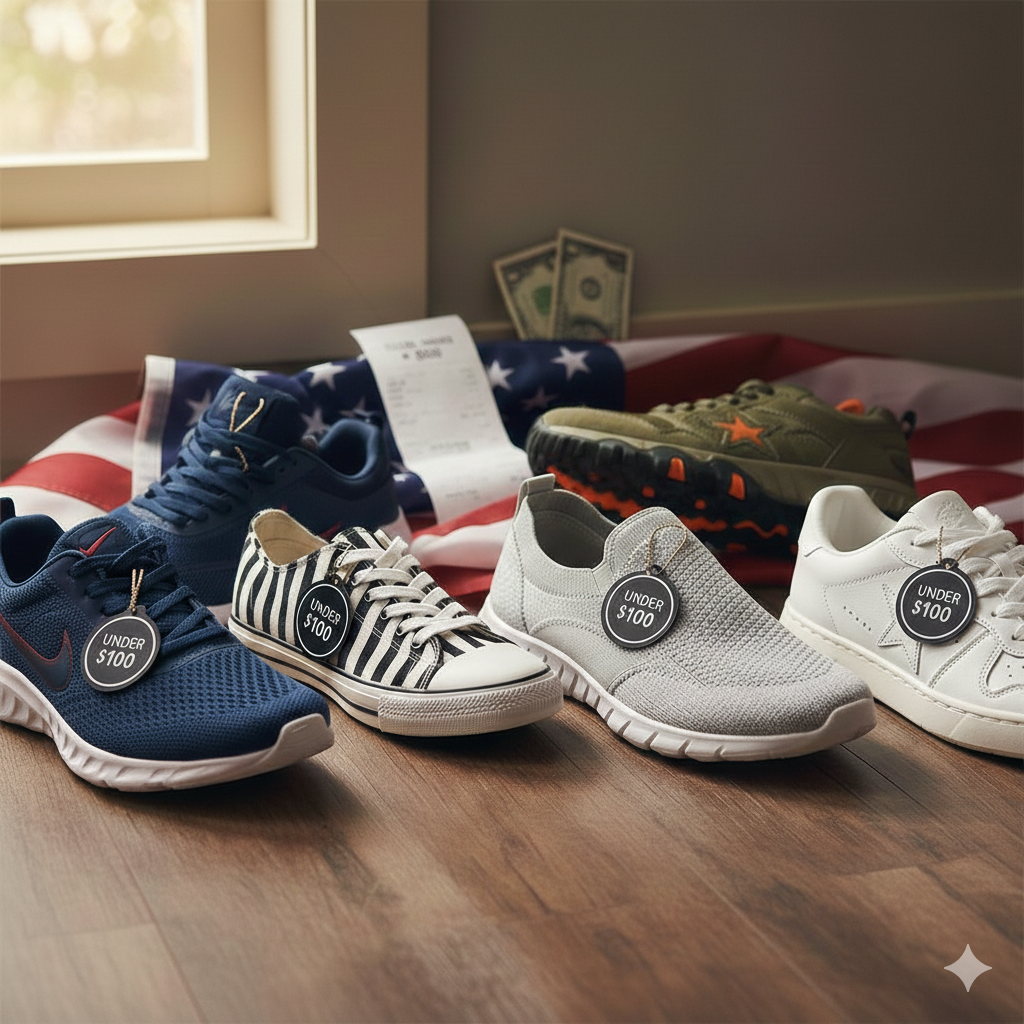
A work shoe for an office, a busy shop floor and a construction site will not necessarily do the same job. Before buying, consider where you work, what you handle and what your employer requires. Fit matters too, but it cannot replace required protective features.
This guide compares footwear types and questions to ask. It does not rank shoes by independent testing or promise relief from foot pain.
Start with the work, not the label
Ask your supervisor or safety team about the hazards in each area you enter. Falling or rolling objects, sharp objects, electrical hazards and slippery surfaces can require different solutions. Under OSHA’s foot-protection standard, protective footwear is required for affected workers exposed to specified hazards. Confirm the exact required features and markings with your employer.
A general “work shoe” label or leather upper does not prove protection. For warehouse-specific concerns, including protective toes and puncture hazards, see our warehouse footwear guide.
Compare footwear types
Office and customer-facing roles
Where protective footwear is not required, a lace-up shoe, loafer or permitted sneaker may suit the dress code. Try the pair with the clothes and socks you normally wear. Check whether you can move comfortably between sitting, standing and walking.
Retail and hospitality
Look at the surfaces you use, uniform rules and any slip-resistance requirement. Some roles involve stock handling as well as customer service, so confirm whether extra protection is needed. Our retail work-shoe guide compares the sales floor and stockroom.
Trades, workshops and industrial sites
Start with the employer’s protective-footwear requirements. A safety toe, puncture-resistant sole, electrical feature or other protection may be relevant to particular hazards. They are separate features: verify the markings on the exact model, rather than assuming that one covers all risks.
Fit and sizing checklist
Measure both feet if possible, and try shoes with your usual work socks. Make sure the toe box is long and wide enough, the heel stays secure and the fastening can be adjusted. Walk and turn; if permitted, crouch or use stairs to check movement. Compare widths before assuming you need a longer shoe.
If you use an insole, take it when trying the shoe so you can check whether it leaves enough space. The American Academy of Orthopaedic Surgeons provides fit advice. For persistent foot pain or a known condition, consult a qualified clinician.
Budget, maintenance and replacement
Check whether your employer provides footwear, offers reimbursement or has an approved vendor. Compare total cost, return terms and required markings before ordering. If a discounted model does not meet the job’s requirements, it is not a suitable substitute.
Inspect the sole, seams, fastening and any protective components. Follow the manufacturer’s care instructions and workplace replacement policy. There is no fixed lifespan for every job: wear depends on the shoe and conditions. The long work shifts guide has more advice on comparing shoes for different duties.
Frequently asked questions
Do all work shoes need a safety toe?
No. The requirement depends on the hazards and applicable workplace rules. Ask your employer before choosing.
Are men’s shoes necessary for men?
No. Choose the sizing system and width that fit you. Where protection is required, the exact model must also meet your employer’s requirements.
Can a comfortable shoe prevent workplace injuries?
Comfort does not establish protection. Appropriate footwear is one measure alongside safe equipment, training and workplace controls.



Leave a Reply