

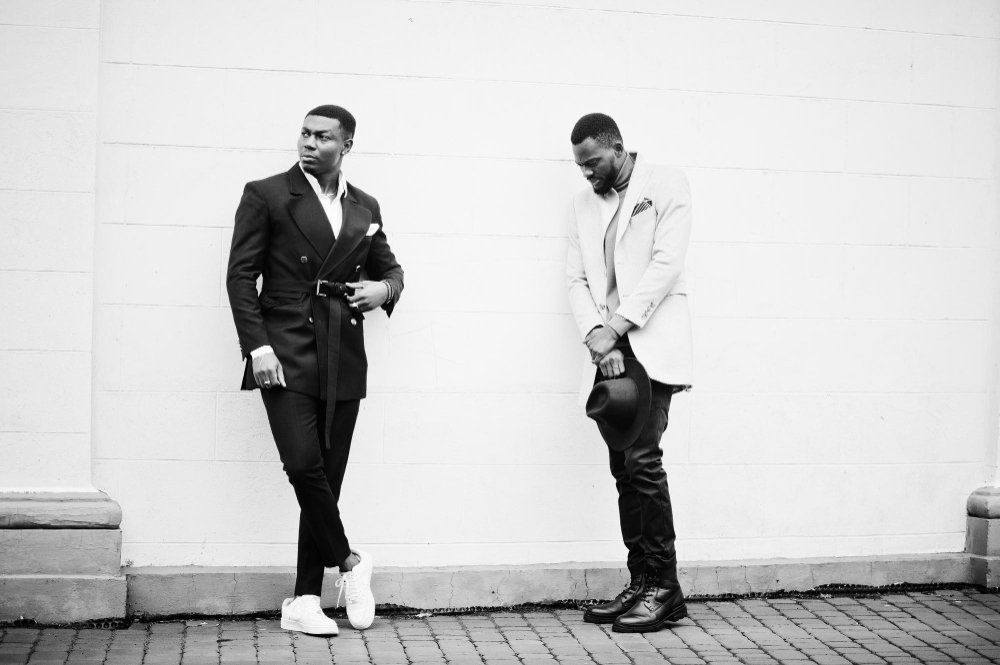
The Blurring Lines of Gender in Fashion
The landscape of fashion has undergone a significant transformation in recent years, marked by a gradual yet undeniable shift towards gender neutrality. This evolution embraces a more inclusive approach, allowing individuals to express their identities beyond the conventional confines of male and female attire. As society increasingly recognizes the spectrum of gender, the boundaries that once dictated clothing choices are becoming less defined.
One of the most compelling trends emerging from this shift is the growing acceptance and popularity of men’s wear designs for women. Traditionally, women’s fashion has been characterized by softness, fluidity, and an emphasis on form-fitting silhouettes. However, contemporary fashion enthusiasts are now drawn to the crisp lines, structured forms, and tailored aesthetics traditionally associated with men’s wear. This transition not only challenges stereotypes but also encourages women to adopt a bolder style that exudes confidence and elegance.
As we explore the allure of sharp men’s wear silhouettes tailored for women, it’s essential to understand the context of this trend. Women are increasingly seeking garments that combine both comfort and sophistication, merging the practicality of men’s wear with feminine touches. The result is a fresh and dynamic interpretation of style that highlights the beauty of tailored pieces, such as blazers, trousers, and tailored shirts, providing versatility for various occasions.
In conclusion, the blurring lines of gender in fashion have paved the way for innovative designs that defy traditional expectations. By integrating sharp men’s wear silhouettes into women’s wardrobes, a new aesthetic emerges—one that emphasizes empowerment and individuality, reshaping how fashion is perceived and experienced.
The Elegance of Sharp Silhouettes: A Historic Perspective
The concept of sharp silhouettes in fashion has a rich and engaging history, deeply rooted in the evolution of men’s clothing. From the tailored suits of the early 20th century to the more avant-garde designs of modern fashion, the allure of sharp lines and structured forms has played a significant role in shaping clothing aesthetics. In the 1920s, the tailored suit emerged as a powerful symbol of masculinity and sophistication, emphasizing a strong, defined physique with its angular cuts and fitted structure. This signature style signified not just personal taste but also social status and professional aspirations, becoming a staple in men’s wardrobes.
As we move through history, we see the influence of these sharp silhouettes begin to permeate women’s fashion. During the 1930s and 1940s, women began to adopt tailored elements from menswear, resulting in a revolutionary shift that blurred gender lines in fashion. The introduction of women’s suits, featuring crisp lines and structured designs, mirrored the elegance found in men’s tailoring, allowing women to express authority and sophistication in their attire.
In subsequent decades, particularly during the 1980s and 1990s, the incorporation of sharp silhouettes continued to grow in popularity among women. High-powered careers and changing social norms prompted an embrace of structured designs that symbolized empowerment and independence. Iconic figures like Bianca Jagger and Joan Jett epitomized this trend, as they often donned tailored outfits that fused traditional masculinity with feminine empowerment.
The transformative power of sharp lines in fashion is undeniable, having set the stage for the current movement that embraces women’s tailored sharp silhouettes. This historical perspective reveals the dialogue between men’s and women’s fashion, highlighting the influence of masculine aesthetics on women’s design choices and the ongoing evolution of elegance in tailored wear.
Craftsmanship and Tailoring: The Art Behind the Silhouettes
Craftsmanship and tailoring are at the heart of achieving exquisite sharp silhouettes in women’s wear, particularly when it draws inspiration from traditional men’s tailoring. The process begins with skilled artisans who utilize a variety of techniques aimed at enhancing the natural form of the female body while maintaining the structure synonymous with tailored designs. One of the primary techniques employed is darting, which involves creating small folds in the fabric that allow garments to contour gracefully to curves, embodying an elegant fit.
Draping is another pivotal artistic technique. This method allows designers to manipulate fabric directly on a dress form, providing a three-dimensional perspective that informs how garments will interact with body shapes. With this technique, the visual aspects of a garment can be explored, revealing how different fabrics and styles might enhance the silhouette. Proper draping is essential in shaping tailored pieces that not only look tailored but also feel comfortable, further highlighting the importance of quality craftsmanship.
Structuring, often achieved through the use of linings and interlinings, is crucial in providing garments with the necessary support without compromising on ease of movement. A well-structured piece maintains its form throughout wear, providing a sophisticated edge that sharp silhouettes demand. Tailors often employ a variety of materials to create these supportive linings, ensuring durability while simultaneously optimizing comfort.
Ultimately, the meticulous craftsmanship involved in creating sharp silhouettes for women is a blend of art and technique. The combination of darting, draping, and structuring produces not only visually appealing garments but also those that celebrate the unique contours of the female form. Quality tailoring is essential in achieving this refined aesthetic, and it is the attention to detail that sets exceptional tailored clothing apart.
Key Elements of Tailored Men’s Wear for Women
Tailored men’s wear has long been synonymous with sharp aesthetics and refined silhouettes, traditionally embraced by men. However, the modern fashion landscape has witnessed a dynamic evolution where these elements are seamlessly integrated into women’s wardrobes. The primary garments that embody tailored men’s wear include blazers, trousers, and shirts, each of which can be adapted to flatter the female form while maintaining the integrity of their original designs.
Blazers serve as a foundational piece in this genre, offering structure and sophistication. A well-fitted blazer tailored for women often features a cinched waist, enhancing body contours while preserving the quintessential sharp lines of men’s tailoring. The choice of fabric plays a pivotal role; materials such as wool, linen, and cotton juxtapose formal and casual elements effectively, making blazers versatile for various occasions.
Equally important are the trousers, traditionally characterized by a straight leg or subtle taper. When adapted for women, these trousers can be tailored to achieve a flattering fit through the hips and thighs, enhancing comfort without sacrificing style. High-waisted options, for instance, not only elongate the leg line but also create a polished appearance suitable for both workplace environments and social gatherings.
Shirts in tailored men’s wear are generally designed with a straight cut, often incorporating button-down collars and structured cuffs. For women, the adaptation process may involve slightly reshaping these elements to offer a more fitted look while retaining the classic appeal. Feminine details, such as softening the collar edges and adjusting the length, can introduce a touch of elegance without diverging from the core essence of tailored styles.
In essence, the allure of tailored men’s wear for women lies in its ability to blend the timelessness of masculine silhouettes with feminine softness, ultimately redefining elegance in women’s fashion.
Incorporating Sharp Silhouettes into Everyday Wear
Styling sharp men’s wear silhouettes for daily occasions offers a distinctive way to blend traditional masculine elements with feminine aesthetics. The first step is to choose tailored pieces such as structured blazers, crisp white shirts, or straight-leg trousers. Opting for menswear-inspired pieces requires attention to fit, ensuring they flatter the female form while retaining their original sharpness.
One effective method is to juxtapose the tailored cut of a blazer with softer materials such as silk or chiffon in blouses. This allows for the balance between the structured elements of men’s wear and the gentle flow of feminine styles. Pairing a fitted blazer with a loose, draped top can create a sophisticated yet comfortable ensemble that works both in professional settings and casual outings.
Accessories also play a significant role in achieving a balanced look. Incorporating feminine accessories, such as delicate jewelry, a stylish handbag, or statement heels, can soften the overall appearance. For instance, wearing a pair of classic pumps or embellished flats with tailored trousers enhances elegance without compromising comfort. Additionally, consider adding a pop of color through accessories or outerwear, which can invigorate a neutral men’s wear outfit.
Layering is another practical approach to achieving refined outfits. A tailored overcoat can be thrown over a crisp shirt and tailored trousers for a polished winter look. Conversely, during warmer months, opting for a vest can create a similar sharp effect without the extra weight.
Ultimately, the goal is to express personal style while harmonizing the clean lines of sharp men’s wear with softer, feminine elements. By thoughtfully mixing these components, you can create sophisticated, everyday outfits that exude confidence and style.
Body Positivity and Confidence in Tailored Clothing
The conversation around body positivity has gained remarkable traction in recent years, and its intersection with fashion is particularly significant. Tailored clothing, especially sharp men’s wear silhouettes designed for women, plays an essential role in this dialogue. These styles adapt to the various shapes and sizes of the female form, allowing for a celebration of individual beauty rather than conforming to a singular standard.
Wearing tailored clothing empowers women by promoting self-acceptance and confidence. When women put on sharp silhouettes, they often experience an immediate boost in self-esteem. This boost frequently arises from the perfect marriage of form and function that tailored garments provide. The clean lines and structured designs can enhance body contours, offering a flattering fit that instills a sense of confidence.
Moreover, sharp silhouettes in women’s fashion serve as a canvas for personal style expression. They can be styled in various ways—paired with different accessories, shoes, or layers—to reflect an individual’s personality while simultaneously embracing their body shape. This versatility highlights that fashion should be inclusive and that all body types deserve the same elegant, sharp aesthetic once reserved primarily for men.
Furthermore, the contemporary rise of brands that prioritize inclusivity in design has made tailored clothing accessible to a broader audience. By emphasizing comfort and fit, these brands ensure that all women, regardless of their body shape, can enjoy the elegance of sharply tailored silhouettes. This evolution in the fashion industry not only challenges outdated stereotypes but also reinforces the notion that style and body confidence are intimately linked.
In conclusion, sharp men’s wear tailored for women enhances body positivity and confidence by providing empowering fit and style options. Through this approach, women are encouraged to embrace their bodies while celebrating their unique identities.
Fashion Icons Redefining Tailoring for Women
In contemporary fashion, the tradition of tailoring has transcended its conventional boundaries, especially through the influence of various fashion icons and designers who have embraced sharp men’s wear silhouettes tailored specifically for women. This movement not only redefines elegance but also challenges the longstanding gender norms within the fashion industry.
One of the most notable figures in this realm is Phoebe Philo, whose tenure at Céline is often credited with initiating a resurgence of interest in tailored menswear for women. Her designs championed clean lines, oversized blazers, and structured trousers, presenting a narrative of sophistication that celebrates both femininity and masculinity. Philo’s approach has encouraged women to adopt a more androgynous aesthetic while also emphasizing comfort and practicality.
Another significant influencer is Alessandro Michele, the creative director of Gucci, whose eclectic designs often draw inspiration from traditional menswear. Michele has been instrumental in blurring the lines between gendered clothing by showcasing oversized suits, tailored coats, and brogues on female models, thereby promoting a fluid understanding of style that resonates with today’s fashion-conscious individuals.
Furthermore, the emergence of brands like The Row, founded by Mary-Kate and Ashley Olsen, has further exemplified the appeal of sharp tailoring in women’s fashion. Their collections emphasize craftsmanship and refinement, capturing the essence of tailored menswear through elegant yet functional garments. By presenting tailored staples such as fitted blazers and wide-leg trousers, they expose a wider audience to the versatility and allure of this style.
These influential designers and fashion icons collectively contribute to the ongoing dialogue surrounding women’s fashion, inspiring a new generation to embrace the elegance and power of tailored men’s wear silhouettes. Their efforts not only reshape perceptions but also pave the way for future advancements in women’s tailoring.
Sustainability in Tailored Fashion: A Forward-Thinking Approach
The intersection of sustainability and tailored fashion has emerged as a pivotal consideration in contemporary design. As the fashion industry grapples with its significant environmental footprint, the adoption of sustainable fabrics plays a crucial role in promoting responsible fashion choices. Innovative materials such as organic cotton, hemp, and recycled fibers are increasingly being utilized in creating sharp men’s wear silhouettes tailored for women. These fabrics not only reduce ecological impact but also offer high-quality alternatives that ensure longevity and durability of the clothing.
Furthermore, ethical production practices are essential in the framework of sustainable fashion. Tailored garments often necessitate more intricate labor, making it imperative for brands to prioritize fair labor conditions and transparent supply chains. By partnering with manufacturers who uphold ethical standards, designers can assure consumers that their purchases are contributing to a responsible ecosystem. Ethical production not only supports workers’ rights but also enhances the overall appeal of tailored pieces by aligning them with values of fairness and equity.
The longevity of tailored pieces represents another vital dimension in the sustainability discourse. Unlike fast fashion items, which are often designed for short-term use, tailored menswear-inspired silhouettes for women are crafted with precision and attention to detail. This inherent quality not only elevates one’s wardrobe but reduces the need for frequent replacements, encouraging a more sustainable consumption model. Investing in timeless designs that withstand changing trends fosters a culture of valuing durability over disposability.
In this light, the commitment to sustainability in tailored fashion embodies a forward-thinking approach that resonates with today’s conscientious consumers. By choosing sustainable fabrics, supporting ethical practices, and creating lasting designs, the industry can redefine elegance while promoting responsible production and consumption.
Conclusion: Embracing Sharp Silhouettes for the Future
As we reflect on the rise of sharp men’s wear silhouettes tailored for women, it becomes evident how these designs have significantly altered the landscape of contemporary fashion. By integrating elements traditionally associated with men’s styles, women are not only redefining personal elegance but are also challenging conventional norms surrounding femininity. Such transformations encourage individuals to express themselves beyond the limits of societal expectations, creating a unique narrative that empowers personal identity.
The advantages of adopting sharp silhouettes are numerous. Firstly, these styles exude confidence and sophistication, allowing women to command presence and authority in both professional and social settings. The clean lines and structured designs of tailored blazers, trousers, and vests contribute to a polished appearance that can easily transition from day to night. By embracing these elements, women not only enhance their wardrobe but also elevate their sense of self-assurance.
Moreover, sharp silhouettes foster inclusivity within the fashion industry. As more designers incorporate these styles into women’s collections, the message is clear: fashion is not confined by gender. This growing acceptance encourages women of all shapes and sizes to explore sharp silhouettes tailored specifically for their bodies, thus promoting body positivity and self-acceptance. By stepping into these designs, individuals can celebrate their uniqueness while simultaneously participating in the progressive movement towards equality in fashion.
In conclusion, the allure of sharp men’s wear silhouettes tailored for women stands as a testament to the evolving nature of fashion. We encourage readers to explore this bold and sophisticated style, embrace their individuality, and contribute to the ongoing dialogue surrounding gender fluidity in fashion. The future is promising for fashion-forward women who choose to embody elegance through the powerful language of tailored silhouettes.
Leave a Reply