

NYC Subway System
The New York City subway system is one of the largest and most comprehensive public transportation networks in the world. Established in 1904, it serves as a critical component of urban mobility for millions of residents and visitors. This extensive system spans over 665 miles of track and includes 472 stations, making it a central artery for commuters navigating the bustling metropolis.
The significance of the subway lies not only in its vast reach but also in its role as an affordable and efficient means of travel. Approximately 5.5 million passengers rely on the subway daily, demonstrating its essential function in daily life. The diverse ridership reflects the city’s multicultural makeup, with individuals from all walks of life utilizing the subway to access work, school, and leisure activities.
Central to the operation of the subway system is the MetroCard, a versatile fare card that allows passengers to conveniently pay for rides. It was introduced in 1993 to streamline fare payment, and it has significantly transformed the way locals and tourists interact with the subway. Passengers can load their MetroCards with various amounts, which can be used for single rides, weekly or monthly unlimited travel, making budgeting for travel easier. Additionally, the MetroCard can be reloaded at numerous kiosks and subway stations across the city, enhancing convenience and accessibility.
The geographic layout of the subway system is a testament to New York City’s unique topology, with dedicated lines connecting the boroughs of Manhattan, Brooklyn, Queens, and the Bronx. Understanding the subway’s operational nuances and the benefits of the MetroCard will prepare riders for a seamless experience navigating this intricate network.
Overview of MetroCard Types
The New York City subway system is a bustling network that offers various options for fare payment through the MetroCard system. Understanding the different types of MetroCards available is essential for both residents and visitors, as it can greatly influence the convenience and cost-effectiveness of traveling throughout the city. There are primarily three main types of MetroCards: Pay-Per-Ride Cards, Unlimited Ride Cards, and Specialty Cards.
The Pay-Per-Ride Card is a flexible option that allows users to add value to their card and pay as they go. This is particularly beneficial for individuals who do not use the subway system frequently, as they can simply refill their card when necessary without committing to a bulk purchase. Each trip utilizing a Pay-Per-Ride Card currently costs a set fee, and users benefit from a bonus amount when they load $5.50 or more onto their card, making it a cost-effective choice for occasional riders.
Next, Unlimited Ride Cards come in different durations, typically available for 7-day or 30-day periods. These cards allow for unlimited subway and local bus trips within the card’s validity period, making them an ideal option for tourists or those who plan to use public transportation extensively within a short timeframe. The convenience of unlimited travel can lead to significant savings for frequent users.
Lastly, there are Specialty Cards tailored for specific groups. These include the reduced-fare MetroCard, which is available to seniors, people with disabilities, and certain other qualifying individuals. This card offers significant savings by allowing eligible users to purchase rides at a reduced fare, promoting greater access to public transportation.
Benefits of Using a MetroCard
The New York City Subway MetroCard offers numerous advantages for both residents and visitors navigating the bustling metropolis. Primarily, the convenience that a MetroCard provides cannot be overstated. With the ability to load various amounts and choose between unlimited ride options or pay-per-ride, users can tailor their transit experience to fit their travel needs. This flexibility eliminates the hassle of fumbling for cash or carrying exact change, making it an ideal choice for those frequently on the go.
In terms of affordability, utilizing a MetroCard presents a cost-effective alternative to purchasing individual single-ride fares. Each single-ride ticket incurs a higher price compared to the per-ride cost of a MetroCard. Furthermore, purchasing a MetroCard with an unlimited ride option can lead to significant savings for individuals planning to travel multiple times within a day, fostering the exploration of the city with greater ease and financial prudence. This is particularly beneficial for tourists eager to visit multiple attractions across different neighborhoods.
Moreover, the seamless transition between subway lines and buses enhances the user experience. The MetroCard simplifies the process of switching from one mode of transport to another without requiring passengers to buy additional tickets. This integrated system not only saves time but also facilitates efficient travel across New York City’s extensive transit network. With such remarkable benefits, the MetroCard remains a practical and strategic choice for those wishing to navigate the complexities of New York City’s public transportation system.
Cost Comparisons: Pay-Per-Ride vs. Unlimited Ride
When navigating New York City via the subway, travelers often face a choice between two primary fare options: the Pay-Per-Ride MetroCard and the Unlimited Ride MetroCard. Understanding the costs associated with each can significantly impact a user’s budget, especially for tourists and commuters alike. The Pay-Per-Ride option charges a flat fee per trip, currently set at $2.75 for a single ride. This method is beneficial for infrequent travelers, as it allows for flexibility without the upfront investment of an unlimited fare card.
On the other hand, the Unlimited Ride MetroCard, which offers unlimited travel within a 7-day or 30-day period, can provide significant savings for those who plan to use the subway multiple times each day. The 7-day unlimited pass costs $33, while the 30-day pass is $127. For regular commuters, this option can yield substantial savings. For instance, a commuter making two round trips daily would reach the cost of the 7-day unlimited pass after just seven trips.
For tourists, the cost-effectiveness of purchasing an Unlimited Ride MetroCard depends largely on their planned activities. A visitor intending to explore various attractions across the city might find the unlimited option worthwhile, especially if they will be taking numerous trips throughout the day. Conversely, a tourist who only plans to visit a few sites may benefit from the pay-per-ride card. To illustrate, if a tourist anticipates making ten rides during a week’s stay, the Pay-Per-Ride approach would cost $27.50, which is cheaper than the Unlimited Ride option. Ultimately, the decision between a Pay-Per-Ride and Unlimited Ride MetroCard hinges on individual travel habits and patterns, making a personalized assessment essential for both tourists and locals.
Where to Buy a MetroCard
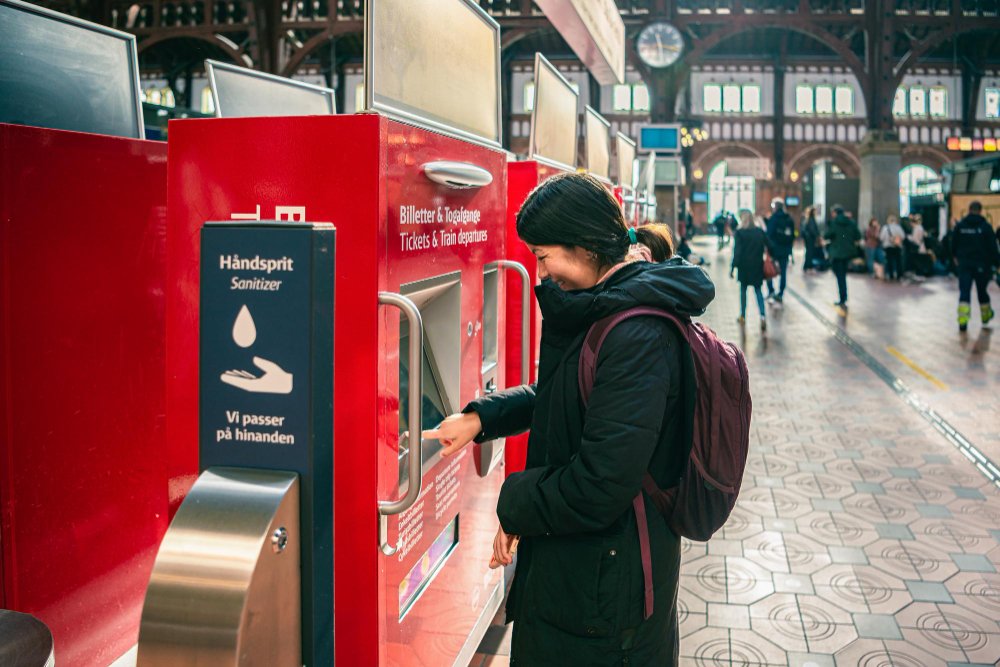
Purchasing a New York City Subway MetroCard is a straightforward process with multiple options available to accommodate different preferences. First and foremost, MetroCards can be obtained from a network of vending machines located at most subway stations throughout the city. These machines accept cash, credit, and debit cards, making them a convenient choice for many travelers. Most machines offer multiple language options, providing ease of use for both locals and tourists.
In addition to vending machines, it is also possible to purchase a MetroCard online through the Metropolitan Transportation Authority (MTA) website. This option is particularly useful for those who prefer to plan in advance or who may want to refill their balance before arriving in the city. When opting for this method, ensure to allow sufficient time for shipping, as it can take several days to receive your card.
Another viable option for acquiring a MetroCard is through authorized retailers, which are convenience stores and other establishments that have partnered with the MTA. These retailers are scattered across the city, providing additional convenience. Many of them offer extended hours, making it easier for those who may need to buy a card outside of typical subway station hours. Before heading to an authorized retailer, it’s advisable to check their hours of operation, as they can vary by location.
Lastly, if you are visiting specific stations, you will find staffed booths where MetroCards can also be purchased directly from MTA employees. This can be particularly helpful for first-time users who may have questions and prefer to receive guidance in person.
How to Refill Your MetroCard
Refilling your MetroCard is a straightforward process that can be accomplished through various methods, catering to the needs of all commuters in New York City. Whether you prefer online services, payment through mobile apps, or in-person transactions, understanding the options available will ensure you maintain a smooth travel experience.
For those who favor convenience, the automatic refill option is highly recommended. This feature allows users to set up their MetroCard to automatically refill once the balance falls below a pre-determined amount. To enroll, simply access the Metropolitan Transportation Authority (MTA) website or visit a vending machine where the option is available. This ensures that you never risk being without sufficient balance when commuting.
Another efficient way to manage your MetroCard balance is through online refilling. The MTA offers online services that enable users to add funds to their MetroCard from the comfort of their home or office. To use this service, you will need to create a login on the MTA website, link your MetroCard information, and choose your refill amount. Payments can be made securely using a credit or debit card, saving you a trip to a vending machine or station.
If you prefer a more traditional approach, simply visit any subway station where MetroCard vending machines are available. These machines accept both cash and credit/debit cards. Users can follow the on-screen prompts to easily add funds to their cards. Another option is to refill MetroCards at various retail locations that sell MetroCards, which can be a convenient alternative depending on your location.
To avoid inconvenience, keep an eye on your MetroCard balance. Regularly checking your balance ensures that you can promptly refill it before it runs low. Additionally, consider setting up the automatic refill feature to lessen the mental load of remembering to add funds.
Special Discounts and Promotions
When using the New York City subway system, many riders can benefit from various discounts and promotions available for specific groups. These discounts aim to make public transportation more accessible and affordable. Understanding these options is essential for maximizing the value of your MetroCard.
For seniors aged 65 and older, the MTA offers the option of a reduced fare MetroCard. This card provides a 50% discount on subway fares, allowing seniors to travel conveniently throughout the city at a lower cost. To obtain a reduced fare MetroCard, seniors can visit any MTA subway station, and they will need to provide proof of age.
Additionally, students can take advantage of their educational status to benefit from discounted transportation rates. The MTA provides student MetroCards that allow full-time students in grades K-12 to travel for free on weekdays during certain hours, thus easing the burden of commuting to school. Application procedures for student MetroCards are available through educational institutions and involve verification of full-time status.
Individuals with disabilities may qualify for the Access-A-Ride program, which provides paratransit services for those unable to use traditional subway and bus services. Moreover, there are options for obtaining a reduced fare MetroCard for eligible riders with disabilities.
There are also seasonal or temporary promotions offered by the MTA from time to time, such as discounts for specific events or initiatives aimed at encouraging public transportation use. It is advisable to check the official MTA website regularly or sign up for their newsletter to stay informed about current promotions that could further help in reducing costs.
In general, being aware of these special discounts and promotions will not only help in reducing travel expenses but also contribute to a more enjoyable commuting experience within the vibrant city of New York.
Tips for First-Time Subway Riders
For those embarking on their first journey through the bustling New York City subway system, it can be quite an experience. However, with the right preparation, navigating this extensive network can become an efficient and enjoyable venture. Here are some essential tips to help first-time riders make the most of their commute.
Understanding the subway map is crucial. The NYC subway operates on a grid system where lines are color-coded and labeled with letters or numbers. It is advisable to familiarize yourself with the map beforehand, noting your starting station and final destination. Mobile apps are also available that offer real-time updates and directions, which can be invaluable during your travels.
Next, it is important to comprehend the fare structure of the subway. As of recent updates, a single ride costs $2.75, but for regular commuters, purchasing a MetroCard with a balance that can be used for multiple rides is often more economical. The MetroCard can be easily obtained from vending machines in every subway station. Additionally, consider looking into unlimited ride options if you plan to travel frequently during your stay.
Safety precautions should not be overlooked either. Always remain aware of your surroundings while on the platform and inside the train. Stand behind the yellow safety line when waiting for your train and avoid leaning against the doors. If you’re traveling late at night, try to stay on well-lit, populated cars and stay alert to the environment around you.
By equipping yourself with these tips, first-time subway riders can navigate the NYC subway with confidence, ensuring a smooth and successful travel experience.
Conclusion and Final Recommendations
In evaluating the various options available for the New York City Subway MetroCard, it is essential to consider your travel patterns and personal preferences. The MetroCard offers flexibility through its pay-per-ride and unlimited ride options, catering to both occasional riders and daily commuters. For visitors, the 7-Day Unlimited Pass is often the most economical choice, allowing for unlimited trips within its validity period, encouraging exploration of the city’s diverse neighborhoods.
Frequent travelers within the city might opt for the pay-per-ride MetroCard, especially if their journeys are sporadic or vary in distance. This option allows individuals to tailor their spending according to specific travel habits, saving money for rides that do not require unlimited access. Additionally, it is important to note that the MetroCard can be refilled as needed, providing an accessible solution for managing transit costs effectively.
Moreover, as you navigate New York City’s robust subway system, embracing the MetroCard becomes more than just a logistical choice; it embodies an integral part of the city’s culture and daily life. The convenience of using the subway to reach landmarks, neighborhoods, and attractions is reflected in the vibrant energy that defines the city. For residents and tourists alike, learning the ins and outs of the MetroCard system enhances the overall experience of commuting in this bustling metropolis.
Ultimately, whether you are in New York City for a short visit or planning to immerse yourself as a local, selecting the appropriate MetroCard can significantly impact your travel experience. Evaluate your needs thoughtfully and journey confidently through the city’s extensive subway network.
Leave a Reply