

Introduction to Mussoorie’s Climate
Mussoorie, often referred to as the “Queen of the Hills,” is nestled in the foothills of the Himalayas in the Indian state of Uttarakhand. Its geographical location at an elevation of approximately 1,880 meters (6,170 feet) above sea level significantly influences its climate, which varies remarkably across different seasons. The town experiences a combination of subtropical highland climate and a mild temperate climate.
The unique topography and altitudinal variations across the region contribute to the diverse weather patterns that Mussoorie experiences throughout the year. Summers typically last from March to June, with temperatures ranging from 15°C to 30°C (59°F to 86°F). The pleasant climate during this period attracts numerous tourists seeking respite from the sweltering heat prevailing in the plains below.
As the summer months transition into the monsoon season from July to September, Mussoorie encounters substantial rainfall, with occasional thunderstorms. The average precipitation during this period can exceed 600 mm (23.6 inches), turning the hills lush green and enhancing the charm of the natural landscape. This makes the monsoon a beautiful yet challenging season due to the risks of landslides and road blockages.
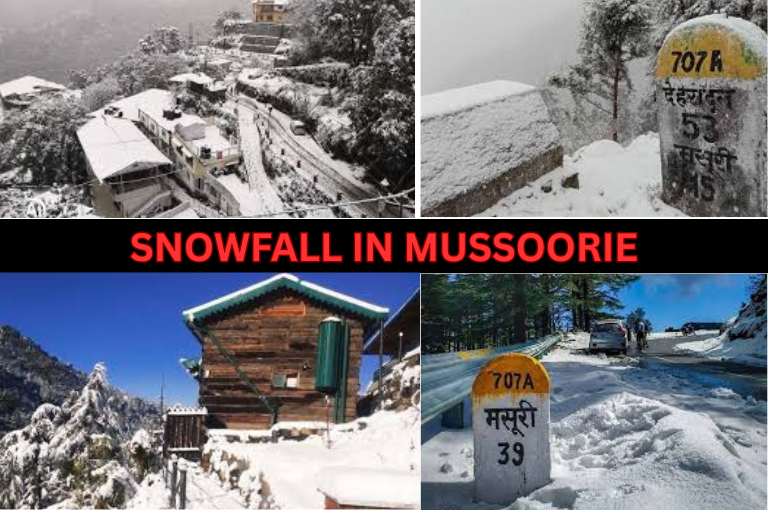
Following the rains, winter arrives in Mussoorie from October to February, characterized by colder temperatures, sometimes dropping to as low as 1°C (34°F). The weather during this season can be harsh, accompanied by heavy snowfall occasionally, which transforms the town into a picturesque winter wonderland, further showcasing the diverse climatic conditions that Mussoorie has to offer.
January in Mussoorie: Winter Wonderland
January marks one of the coldest months in Mussoorie, transforming this popular hill station into a stunning winter wonderland. During this period, temperatures typically range between 1°C to 7°C (34°F to 45°F), creating a chilly atmosphere that is both invigorating and refreshing. Visitors looking to experience the tranquility of Mussoorie will find that January offers an opportunity to witness the beauty of the region blanketed in crisp white snow, making it an enchanting destination for winter lovers.
The possibility of snowfall enhances the charm of Mussoorie in January. Snowfall can occur throughout the month, often leading to picturesque scenes of snow-covered hills and trees. Winter enthusiasts can indulge in several winter activities during this time. Popular attractions include the vibrant Mall Road adorned with twinkling lights and the breathtaking views from Gun Hill, which become even more spectacular with a snow-laden backdrop. Adventure seekers may also consider engaging in activities such as ice skating and trekking. The nearby Dhanaulti region provides an excellent venue for trekking and enjoying the serene winter landscape.
When planning a visit in January, it is essential to pack appropriately for the cold. Warm clothing is crucial, with thermal wear, woolen sweaters, and insulated jackets being recommended. Accessories such as gloves, scarves, and warm hats are also advisable to ensure comfort while exploring the frigid outdoors. Additionally, good quality waterproof shoes with traction will keep you steady during potential snowy or icy conditions. Overall, January in Mussoorie offers a unique blend of natural beauty and winter adventure, making it a memorable experience for visitors.
February: Continuing the Chill
February in Mussoorie marks a transitional phase where winter is still firmly in place, but hints of the upcoming spring begin to emerge. Temperatures in this month typically range from a low of around 2°C to a high reaching up to 12°C. The chill of winter lingers, especially in the early mornings and late evenings, making it essential for visitors to don warm clothing to enjoy their stay comfortably.
Snowfall can still occur in February, particularly in the earlier weeks, which adds to the enchanting beauty of the landscape. The snow-covered hills and crisp air create a picturesque scene that can be incredibly appealing to those seeking solitude and serenity. The month continues to attract tourists who prefer a quieter experience, as the crowds from the high tourist season start to thin out. Unlike the more bustling months, February offers a unique charm where visitors can appreciate the natural beauty of Mussoorie without the usual hordes.
Additionally, the month sees clearer skies and bright sunny days, providing an excellent opportunity for outdoor activities, such as hiking or sightseeing. Popular attractions like Kempty Falls and Gun Hill become much more enjoyable when visited during this less crowded period. This setup provides travelers a chance to explore the majestic hills at a leisurely pace, savoring the tranquility and the breathtaking winter landscapes. If one desires a peaceful escape amidst nature’s beauty, visiting Mussoorie in February could be a great option. The month serves as a gentle reminder of winter’s charm, even as it transitions towards milder weather conditions.
March: Signs of Spring
As winter recedes, March in Mussoorie heralds the arrival of spring, characterized by gradual temperature increases and the joyous melting of snow that blankets the hills. The average temperature ranges from 8°C to 20°C, providing a comfortable atmosphere for outdoor activities. Visitors often experience a refreshing transition from the chilly winter months, making it an ideal time for sightseeing and exploration.
The melting snow not only reveals verdant slopes but also awakens the local flora. March sees the blossoming of various flowers, such as rhododendrons and daisies, which create picturesque landscapes throughout the region. The colorful blooms transform the hillsides into a vibrant canvas, attracting nature enthusiasts and photographers alike. This time of year is perfect for leisurely walks and hikes, as trails come alive with colors and scents, providing a feast for the senses.
Moreover, the pleasant weather allows for various outdoor activities. Trekking and mountain biking become increasingly popular options, allowing visitors to experience the breathtaking vistas of the surrounding valleys and mountains. The warmer temperatures also make it an excellent time for picnics and family gatherings in one of Mussoorie’s many parks or gardens. Local markets begin to buzz with activity as vendors set up stalls selling fresh produce and handmade crafts, giving tourists a taste of the local culture.
In essence, March marks a vital transition period in Mussoorie’s climate, where the cold grips of winter finally give way to the openness and warmth of spring. The combination of rising temperatures, blossoming flora, and numerous recreational opportunities make this month an appealing choice for travelers seeking a lively, nature-filled retreat.
April: Perfect Temptation
The month of April in Mussoorie marks a significant transition into a vibrant and lively phase of the year, characterized by a temperate climate that beckons travelers from far and wide. As winter recedes, the landscape comes alive with a luxurious array of blossoms, filling the air with fragrant aromas and providing a picturesque backdrop for exploration.
Daytime temperatures typically range from a comfortable 15°C to 25°C (59°F to 77°F), making it perfect for outdoor activities. This mild weather allows for a variety of leisurely pursuits, from scenic hikes along the numerous trails to leisurely strolls through the lush gardens. Additionally, the clear blue skies of April offer incredible panoramic views of the majestic Himalayas, heightening the overall experience for visitors.
Nature enthusiasts will find themselves particularly enchanted by the flourishing greenery and blooming flowers during this month. The rhododendrons, often heralded as the pride of Mussoorie, burst forth in an array of vibrant colors, transforming the hills into a breathtaking sight. Apart from its natural beauty, April also hosts several local festivals and cultural events, providing insight into the rich traditions of the region.
For those contemplating a retreat during this delightful time, April truly offers the perfect temptation. The combination of pleasant weather and stunning natural beauty creates an idyllic setting for tourists, encouraging exploration and a deeper connection with the region. Whether one seeks adventure or relaxation, Mussoorie’s charm in April is unmistakably captivating, making it a prime choice for visitors looking to immerse themselves in its wonders.
May: Summer Starts
As May arrives in Mussoorie, the summer season officially begins, bringing a noticeable increase in temperature and a vibrant atmosphere to the valley. The average temperatures in May typically range from 15°C to 25°C, making it one of the most pleasant months for visitors. This month is characterized by bright sunny days, perfect for exploring the picturesque landscapes and lush greenery that define the region.
In May, both tourists and locals alike can enjoy various cultural events and festivals. The Mussoorie Summer Festival, held annually during the month, showcases the rich heritage and culture of the region through local music, dance performances, and art exhibitions. This festival generally attracts a large number of visitors, creating a lively ambiance in the town. It is an excellent opportunity for travelers to immerse themselves in local traditions while interacting with the community.
For those planning a visit to Mussoorie during May, there are several tips to enhance the travel experience. First, it is advisable to dress in layers, as temperatures can fluctuate throughout the day. Light cotton clothing is recommended for daytime activities, while a light jacket may be necessary for cooler evenings. Additionally, staying hydrated is crucial during this warm month, so carrying water at all times is essential for comfort.
Outdoor activities such as trekking, sightseeing, and visiting nearby attractions like Kempty Falls and Gun Hill are popular among tourists during May. However, remember to plan for fluctuations in visitor numbers, as the combination of pleasant weather and the Summer Festival may lead to crowded attractions. Overall, May is an excellent time to enjoy the natural beauty and vibrant culture of Mussoorie, providing a memorable experience for all who visit.
June: Monsoon Arrivals
June marks the beginning of the monsoon season in Mussoorie, transforming the landscape into a vibrant spectacle of lush greenery and rejuvenation. As the month progresses, the weather shifts significantly, with rainfall becoming increasingly frequent. The region generally witnesses scattered showers that evolve into more consistent downpours by mid-June. Average temperatures range from 15°C to 24°C, providing a refreshing respite from the preceding summer heat, which makes this time particularly appealing for visitors.
The arrival of monsoon brings the much-needed precipitation to the arid Himalayan regions, ensuring that the local flora and fauna thrive. The verdant hills covered in mist create a picturesque view, making it a popular destination for nature lovers and photography enthusiasts. However, travelers should be prepared for wet conditions, as heavy rains can lead to slippery paths and occasional landslides in the hilly areas. It is advisable to wear appropriate footwear and keep updated with local weather advisories when venturing outdoors during this season.
June also witnesses a dip in tourist footfall compared to the peak summer months, allowing those who do visit the opportunity to enjoy a quieter, more peaceful Mussoorie. The allure of the serene landscapes, paired with the rhythmic sound of rain, contributes to a unique travel experience. Many local activities take on a different charm during this time; hiking trails, though slippery, provide thrilling adventures as well as chances to explore the enriched biodiversity. Additionally, local markets and eateries often offer special monsoon dishes, further enhancing the travel experience. Overall, while June marks the start of the rainy season, it also invites a refreshing perspective of Mussoorie, encouraging visitors to embrace the beauty that rain brings to this Himalayan gem.
July to September: The Monsoon Continued
From July to September, Mussoorie experiences the peak of the monsoon season, characterized by heavy rainfall and lush greenery. This period is known for its dramatic landscapes, where the hills come alive with vibrant flora. Despite the aesthetic appeal, the monsoon months also come with challenges for travelers. It is essential to consider both the pros and cons before planning a visit during this time.
One of the significant advantages of visiting Mussoorie during the monsoon is the reduced number of tourists compared to the summer months. This allows for a more tranquil experience, with the opportunity to explore the scenic trails and enjoy the serene environment without large crowds. The post-rain vistas are particularly breathtaking, offering ample opportunities for photography enthusiasts.
However, potential visitors should also be aware of the drawbacks associated with the monsoon weather. Heavy rains can lead to landslides and road blockages, which may hinder accessibility to certain areas. Travelers are advised to check weather forecasts and local advisories regularly to stay informed. Additionally, it is wise to carry appropriate rain gear, such as waterproof jackets and sturdy umbrellas, to ensure comfort while exploring the region.
For those who choose to visit Mussoorie during these months, safety should be a priority. It is recommended to avoid trekking in heavy rain and to stick to well-trodden paths. Moreover, securing accommodations with reliable drainage systems and cozy interiors can enhance the overall experience during a monsoon getaway. With proper precautions and an adaptive mindset, visitors can enjoy the enchanting beauty of Mussoorie in its monsoon splendor, creating lasting memories amidst nature’s refreshing embrace.
October to December: Autumn to Winter Transition
The transition from October to December in Mussoorie marks a significant shift in the weather, providing visitors with a unique opportunity to experience the changing seasons. October begins with mild temperatures, where daytime highs average around 20 to 25 degrees Celsius. This comfortable climate is perfect for outdoor activities such as trekking and sightseeing, making it an ideal month for tourists seeking to explore the scenic vistas of the region.
As October progresses, the foliage begins to change, transforming the landscape into a palette of autumnal hues. The vibrant reds, oranges, and yellows attract numerous visitors who wish to witness this natural spectacle. Popular spots like Kempty Falls and Camel’s Back Road become bustling with people enjoying the serene ambiance and the beautiful views. Photographers and nature enthusiasts find this period particularly appealing as the picturesque scenery provides ample opportunities for capturing stunning imagery.
By November, temperatures start to decline, signaling the onset of winter. Daytime temperatures can range between 15 to 20 degrees Celsius, and nights becoming distinctly cooler, often dropping to 5 degrees or lower. Travelers should prepare for varying temperatures by layering clothing and packing warmer gear. The chilly weather brings a different charm to Mussoorie, enhancing the experience of sipping tea while enjoying the scenic views.
As December arrives, Mussoorie often sees the first snowfall of the season, which can transform the town into a winter wonderland. This time of year attracts lovers of winter sports and those seeking a cozy retreat. Recommended activities during this period include visiting local cafés, taking leisurely walks through snow-laden streets, and enjoying the festive atmosphere as the region embraces the winter season.
Leave a Reply