

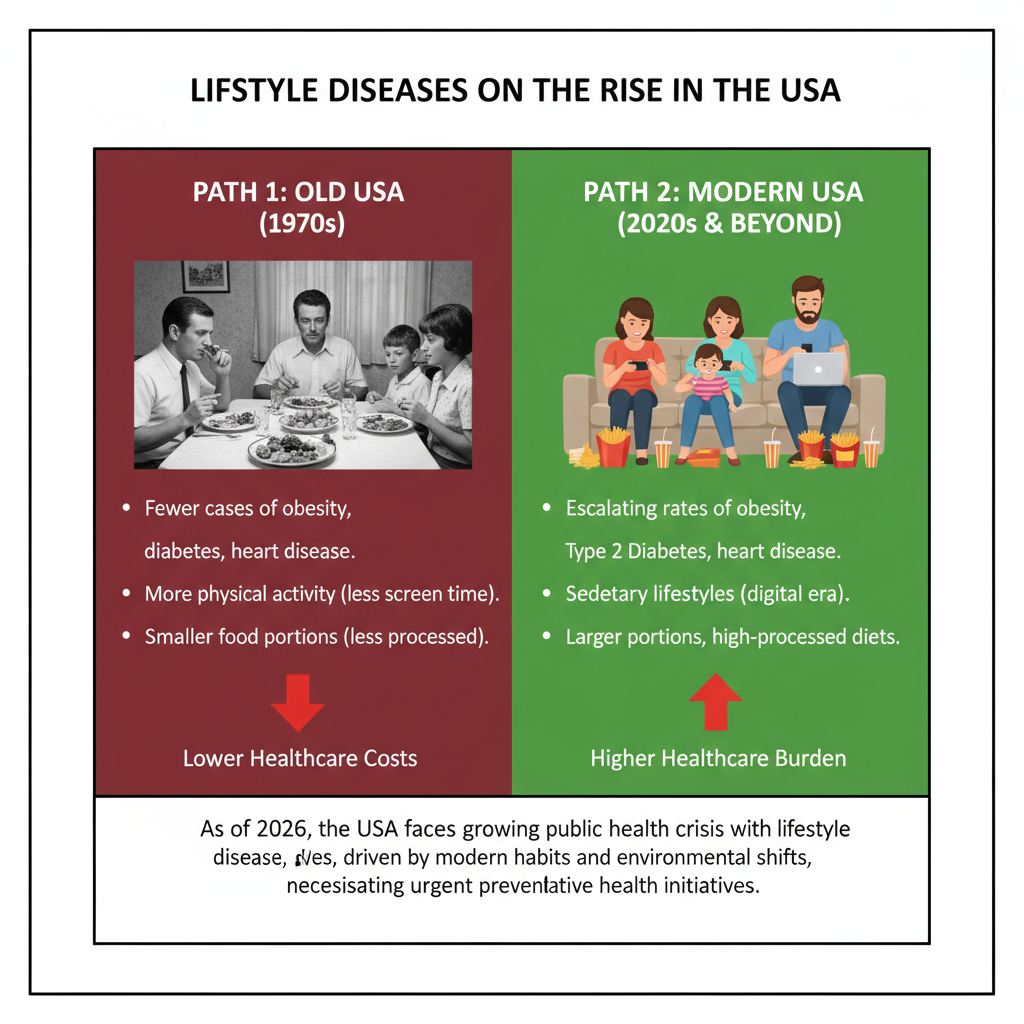
The landscape of health in the United States has shifted dramatically over the last century. While we once fought battles primarily against infectious diseases like influenza and tuberculosis, today’s biggest health challenges look very different. They don’t always come from bacteria or viruses. Instead, they often stem from how we live our daily lives.
From the food we eat to the hours we spend sitting at desks, our modern environment is contributing to a sharp rise in “lifestyle diseases.” Conditions like heart disease, type 2 diabetes, and obesity are becoming increasingly common, affecting millions of Americans and placing a massive strain on the healthcare system.
Understanding why this is happening is the first step toward better health. This article explores the root causes behind the surge in lifestyle diseases, the specific conditions affecting the nation, and, most importantly, the actionable steps we can take to turn the tide.
What Are Lifestyle Diseases?
To understand the problem, we first need to define what a lifestyle disease actually is. Unlike infectious diseases, which are contagious and transmitted between people, lifestyle diseases are non-communicable. They are medical conditions primarily associated with the way a person lives their life.
These conditions develop over long periods. They are often the result of chronic behaviors and environmental factors rather than a single event. While genetics play a role in susceptibility, lifestyle diseases are fundamentally driven by daily habits such as diet, physical activity levels, tobacco use, and alcohol consumption.
The shift from infectious to lifestyle-related diseases marks an “epidemiological transition.” As sanitation and medicine improved, we started living longer. However, that longer lifespan is now being compromised by chronic conditions that reduce the quality of life for many Americans.
Why Lifestyle Diseases Are Increasing in the USA
The rise in these conditions isn’t random. It corresponds directly with significant changes in American society over the last 50 years. Modern living patterns have engineered physical activity out of our days while simultaneously making calorie-dense food cheaper and more accessible than ever before.
We are currently witnessing a collision between our ancient biology and our modern environment. The human body evolved to move frequently and seek out scarce calories. Today, we live in a world of abundance and convenience. We no longer need to exert physical effort to get food, travel to work, or even change the channel on the TV.
These long-term behavioral shifts—moving less and eating more processed foods—create a metabolic environment where diseases thrive. It is not just about individual choices; it is about an environment that makes healthy choices harder to make.
Most Common Lifestyle Diseases in the USA
While there are many conditions linked to lifestyle, four specific categories dominate the health landscape in the United States.
Heart Disease
Heart disease remains the leading cause of death in the United States. It encompasses a range of conditions that affect the heart structure and function, most commonly coronary artery disease. The links to lifestyle are undeniable. Diets high in saturated fats and sodium, combined with physical inactivity, lead to the buildup of plaque in the arteries. Chronic stress also plays a significant role, raising blood pressure and putting continuous strain on the cardiovascular system.
Type 2 Diabetes
Type 2 diabetes has reached epidemic proportions. Unlike type 1 diabetes, which is an autoimmune condition, type 2 is largely driven by the body’s inability to use insulin effectively—a state often triggered by excess weight and inactivity. When the body becomes resistant to insulin, blood sugar levels remain dangerously high, damaging blood vessels and nerves over time.
Obesity
Obesity is perhaps the most visible indicator of the lifestyle disease crisis. It is often a precursor to other conditions, including heart disease and diabetes. The fundamental equation of obesity involves consuming a surplus of calories relative to the energy burned. However, it is complicated by hormonal factors, sleep quality, and the addictive nature of modern ultra-processed foods.
Hypertension
High blood pressure, or hypertension, is often called the “silent killer” because it rarely shows symptoms until significant damage has occurred. Excess sodium intake is a primary driver, as is chronic stress and alcohol consumption. Over time, the increased force of blood flow damages the delicate inner lining of the arteries, making them more susceptible to plaque buildup.
Role of Diet in Lifestyle Disease Growth
The American diet has undergone a radical transformation. The consumption of ultra-processed foods is at an all-time high. These are industrial formulations often rich in added sugars, unhealthy fats, and refined carbohydrates, but low in fiber and essential nutrients.
Ultra-processed foods are designed to be hyper-palatable. They bypass the body’s natural satiety signals, making it easy to overeat. A diet heavy in these foods leads to rapid spikes in blood sugar and insulin, promoting fat storage and inflammation. Furthermore, the sheer portion sizes in American restaurants and supermarkets have distorted our perception of what a normal meal looks like, contributing significantly to the calorie surplus driving these diseases.
Physical Inactivity and Sedentary Behavior
As our diets have changed, so has our movement. The transition to a service-based economy means that millions of Americans now work in sedentary jobs. We sit during our commute, we sit at our desks for eight hours, and we sit on the couch to relax in the evening.
This reduction in “non-exercise activity thermogenesis” (NEAT)—the energy we burn doing daily movements like walking, standing, and fidgeting—is a major contributor to poor metabolic health. The human body requires movement to regulate blood sugar and maintain muscle mass. When we remain stationary for prolonged periods, these metabolic processes slow down, increasing the risk of disease even if we spend an hour at the gym later in the day.
Stress, Sleep, and Mental Health Factors
Physical habits are only half the story. The mental and emotional toll of modern life acts as a catalyst for lifestyle diseases. Chronic stress triggers the release of cortisol, a hormone that, when elevated for long periods, promotes abdominal fat storage and increases blood pressure.
Sleep is another critical, yet often overlooked, factor. A significant portion of the U.S. population is chronically sleep-deprived. Poor sleep disrupts the hormones that regulate hunger (ghrelin and leptin), leading to increased cravings for high-calorie foods. It also impairs insulin sensitivity, making it harder for the body to process sugar. The cycle of stress and sleeplessness creates a biological environment where maintaining health becomes incredibly difficult.
Impact of Technology and Modern Convenience
Technology has revolutionized our lives, mostly for the better, but it has come with a health cost. On-demand services allow us to get groceries, meals, and entertainment without leaving our homes. While convenient, this removes the need for even minor physical exertion.
Digital habits also play a role. Excessive screen time is linked to sedentary behavior in both children and adults. Furthermore, the constant connectivity of smartphones can contribute to chronic low-level stress and disrupt sleep patterns through blue light exposure, further feeding the cycle of lifestyle-related health issues.
Socioeconomic and Environmental Factors
It is crucial to acknowledge that lifestyle choices are not made in a vacuum. Socioeconomic status is a powerful determinant of health. In many communities, access to fresh, whole foods is limited, creating “food deserts” where processed food is the only affordable option.
Healthcare disparities also play a role. Preventative care, which is essential for catching markers of lifestyle disease early (like high blood pressure or pre-diabetes), is not equally accessible to all Americans. Those with lower incomes may lack the resources, time, or safe environments necessary to exercise regularly or prepare healthy meals, making them disproportionately vulnerable to these conditions.
Lifestyle Diseases and Aging Population
The United States has an aging population, and age is a significant risk factor for chronic disease. As we live longer, the cumulative effect of decades of lifestyle habits becomes more apparent.
We are seeing a trend where people are living longer, but spending more of their later years in poor health. This concept, known as a reduction in “healthspan” despite an increase in “lifespan,” presents a major challenge. Without intervention, the aging population will face a compounding burden of multiple chronic conditions, requiring complex and continuous medical care.
Economic Impact of Lifestyle Diseases
The cost of lifestyle diseases extends far beyond the individual. The economic burden on the U.S. healthcare system is staggering. Managing chronic conditions like diabetes and heart disease accounts for the vast majority of the nation’s healthcare spending.
Beyond direct medical costs, there is a massive loss in productivity. Absenteeism (missing work) and presenteeism (working while sick and unproductive) cost the economy billions annually. When a significant portion of the workforce is battling preventable chronic conditions, economic growth and stability are inevitably impacted.
Role of Preventive Care and Awareness
The most powerful tool against lifestyle diseases is prevention. Unlike genetic disorders, these conditions often have a long runway before they become severe. Regular screenings for cholesterol, blood pressure, and blood glucose can identify risk factors years before a heart attack or diabetes diagnosis occurs.
Lifestyle education is equally important. Many Americans are unaware of the hidden sugars in “healthy” processed foods or the true impact of sleep on their weight. increasing health literacy empowers individuals to make informed decisions. Shifting the healthcare focus from reactive treatment (fixing the problem after it happens) to proactive prevention is essential for reversing current trends.
Can the Rise of Lifestyle Diseases Be Reversed?
The situation is serious, but it is not hopeless. The most encouraging aspect of lifestyle diseases is that they are largely reversible, or at least manageable, through behavior change. Studies have shown that even modest weight loss, improved diet, and regular walking can drastically reduce the risk of developing type 2 diabetes and hypertension.
However, relying solely on individual willpower is not enough. Reversing these trends requires systemic support. This includes policy changes that make healthy food more affordable, urban planning that encourages walking and biking, and workplace wellness programs that prioritize movement and mental health. When communities support healthy choices, individual success rates skyrocket.
FAQs – Lifestyle Diseases in the USA
What are lifestyle diseases?
Lifestyle diseases are non-communicable conditions linked to the way people live their lives. They are typically caused by factors like poor diet, physical inactivity, smoking, alcohol consumption, and chronic stress.
Why are lifestyle diseases increasing?
The increase is driven by modern environmental factors: sedentary jobs, easy access to ultra-processed calorie-dense foods, high levels of chronic stress, and a lack of sleep. Technology and convenience have reduced the need for physical movement in daily life.
Are lifestyle diseases preventable?
Yes, the vast majority of lifestyle diseases are preventable. By maintaining a balanced diet, staying physically active, managing stress, and avoiding tobacco, individuals can significantly lower their risk.
Which lifestyle disease is most common in the USA?
Heart disease is the most common and is the leading cause of death. However, obesity and type 2 diabetes are also extremely prevalent and are major contributors to heart disease.
Can small habit changes reduce disease risk?
Absolutely. You don’t need to run a marathon to see benefits. Small changes, like taking a daily 20-minute walk, reducing sugary drink intake, and getting seven hours of sleep, can have a profound impact on long-term health.
Taking Charge of Your Health
The rise of lifestyle diseases in the USA is a complex issue woven into the fabric of modern society. It is a result of how we work, eat, and relax. While the statistics are concerning, they also highlight a powerful truth: we have more control over our health than we think.
By understanding the connection between our daily habits and our long-term well-being, we can start to make different choices. Whether it is cooking at home more often, prioritizing sleep, or advocating for healthier communities, every step counts. The path to a healthier nation starts with the small, consistent actions we take today.
Leave a Reply