

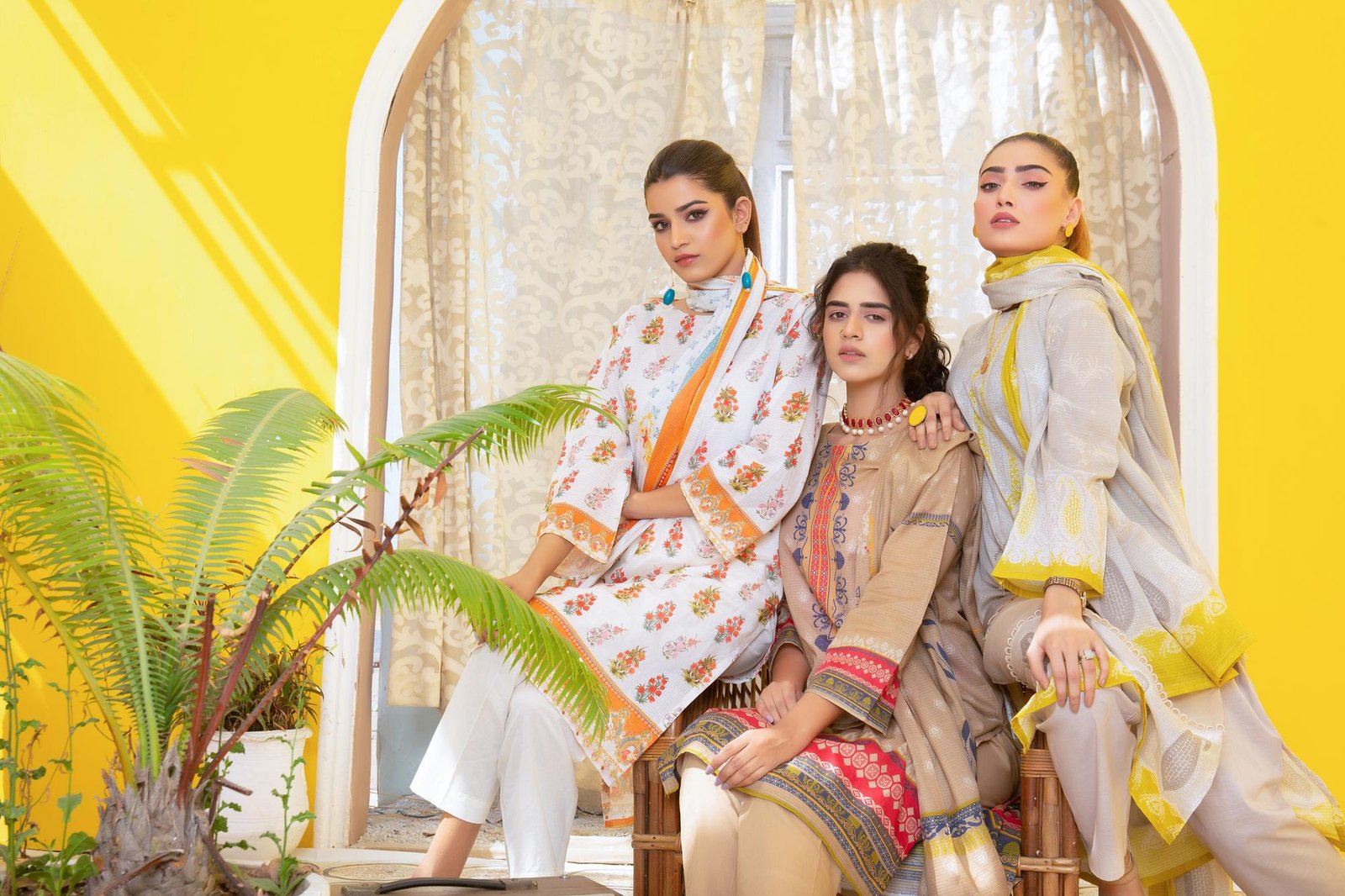
The saree, the lehenga, the kurta—these aren’t just garments; they are carriers of history, identity, and art. But just as the modern Indian woman evolves, so too does her wardrobe. We are witnessing a fascinating shift where heritage meets innovation, creating a fashion landscape that is as dynamic as it is deeply rooted in tradition.
As we look ahead to 2026, the definition of ethnic wear is expanding. It is no longer confined to festive occasions or wedding seasons. Instead, it is reclaiming space in boardrooms, casual brunches, and daily life, adapted for the woman who values both her cultural roots and her contemporary lifestyle. The coming years promise a fashion narrative that prioritizes comfort without sacrificing elegance, and sustainability without compromising on style.
If you are ready to refresh your wardrobe and stay ahead of the curve, here is a look at the key trends that will define ethnic fashion in 2026.
The Rise of Fusion Fashion
The strict boundaries between “Western” and “Indian” wear are blurring faster than ever. Fusion fashion is not a new concept, but by 2026, it will reach a level of sophistication that moves beyond simply pairing jeans with a kurta. We are looking at a seamless integration of silhouettes and sensibilities.
Expect to see the “saree-gown” evolve into pre-draped, structured ensembles that offer the grace of six yards with the ease of a zip-up dress. Corset tops are replacing traditional cholis, paired with flowing lehenga skirts or even dhoti pants for an edgy, structured look. Blazers worn over sarees—a trend championed by fashion influencers—will become a staple power-dressing move for the corporate world.
This trend is about versatility. A heavy embroidered jacket can be worn with a lehenga for a wedding, and then repurposed with tailored trousers for a cocktail party. The modern Indian woman demands utility from her wardrobe, and fusion fashion delivers exactly that.
Sustainable and Ethical Fabrics
Conscious consumerism is no longer a niche; it is the standard. By 2026, the story behind the fabric will be just as important as the design itself. Modern women are increasingly turning away from mass-produced synthetics and embracing textiles that breathe and last.
We will see a massive resurgence of handloom fabrics like Khadi, linen, and organic cotton, but with a modern twist. Designers are experimenting with natural dyes derived from flowers, roots, and spices, moving away from harmful chemical alternatives.
Furthermore, innovative fabrics like hemp and bamboo blends are entering the ethnic space, offering durability and a lower environmental footprint. The luxury of wearing a Kanjeevaram or a Banarasi silk will be amplified by the knowledge that it was sourced ethically, supporting weaver communities directly. “Slow fashion” is the mantra, focusing on timeless pieces that can be passed down as heirlooms rather than discarded after a season.
Bold Prints and Unapologetic Patterns
While minimalism has had its moment, 2026 is predicting a return to vibrancy. The color palettes will be richer, and the patterns will be louder. This trend is a celebration of individuality, encouraging women to stand out rather than blend in.
Geometric patterns inspired by architectural marvels will find their way onto sarees and dupattas, offering a sharp, modern contrast to traditional floral motifs. That said, florals aren’t going anywhere—they are just getting bigger and bolder. Think oversized botanical prints on lightweight organza or chiffon, creating a whimsical yet dramatic effect.
Abstract art is another major influence. Digital printing technology allows for intricate, painting-like designs on fabric, turning simple kurtas into wearable canvases. Mixing and matching clashing prints—traditionally a fashion faux pas—is becoming a sign of high-fashion confidence. A striped blouse with a floral saree? In 2026, the answer is a resounding yes.
Statement Accessories that Elevate
Accessories have always been the soul of an Indian outfit, but the approach is shifting from “more is more” to “curated impact.” Instead of wearing an entire jewelry set, the trend is moving toward one defining piece that anchors the look.
Chunky silver jewelry, often oxidized, is gaining traction for its bohemian and rustic appeal, perfect for pairing with cotton sarees and indigo prints. On the other hand, contemporary temple jewelry—lighter and more wearable than its traditional counterparts—is being styled with fusion wear for a touch of classic grandeur.
Beyond jewelry, accessories like belts are becoming essential. Waist belts (kamarbands) are being used to cinch sarees and oversized kurtas, adding structure and a modern silhouette. Footwear is also evolving; comfort is king. Embellished sneakers or “juttis” with memory foam soles are replacing uncomfortable heels, proving that you don’t need to suffer to look stylish.
The Era of Customizable and Personalized Outfits
In a world of mass production, customization is the ultimate luxury. The modern Indian woman wants her clothes to fit her specific body type and express her unique personality. In 2026, the demand for made-to-measure and customizable ethnic wear will skyrocket.
Technology is playing a huge role here. Virtual trials and AI-driven sizing tools are making it easier for women to order custom-fitted outfits online without the anxiety of a poor fit. Brands are offering “mix-and-match” services where customers can choose their own necklines, sleeve lengths, and embroidery patches.
This trend also extends to upcycling. Many women are taking vintage sarees from their mothers’ or grandmothers’ closets and repurposing them into contemporary lehengas, jackets, or anarkalis. It’s a beautiful way to preserve emotional value while updating the style for the current decade. Personalization ensures that no two outfits are exactly the same, giving the wearer a sense of exclusivity.
Embrace Your Unique Style
The trends of 2026 are diverse, but they share a common thread: empowerment. Whether it’s through the bold expression of a geometric print, the ethical choice of a sustainable fabric, or the practical comfort of fusion wear, fashion is becoming a tool for self-expression.
Gone are the days of rigid fashion rules. The future of ethnic wear is fluid, inclusive, and exciting. It honors the past while fearlessly stepping into the future. So, as you curate your wardrobe for the coming years, remember that the most stylish thing you can wear is confidence. Experiment with these trends, adapt them to your taste, and create a look that is unapologetically you.
Which of these 2026 trends are you most excited to try? Snap a photo of your favorite ethnic fusion look and tag us on Instagram—we’d love to feature your unique style on our page!
Leave a Reply