

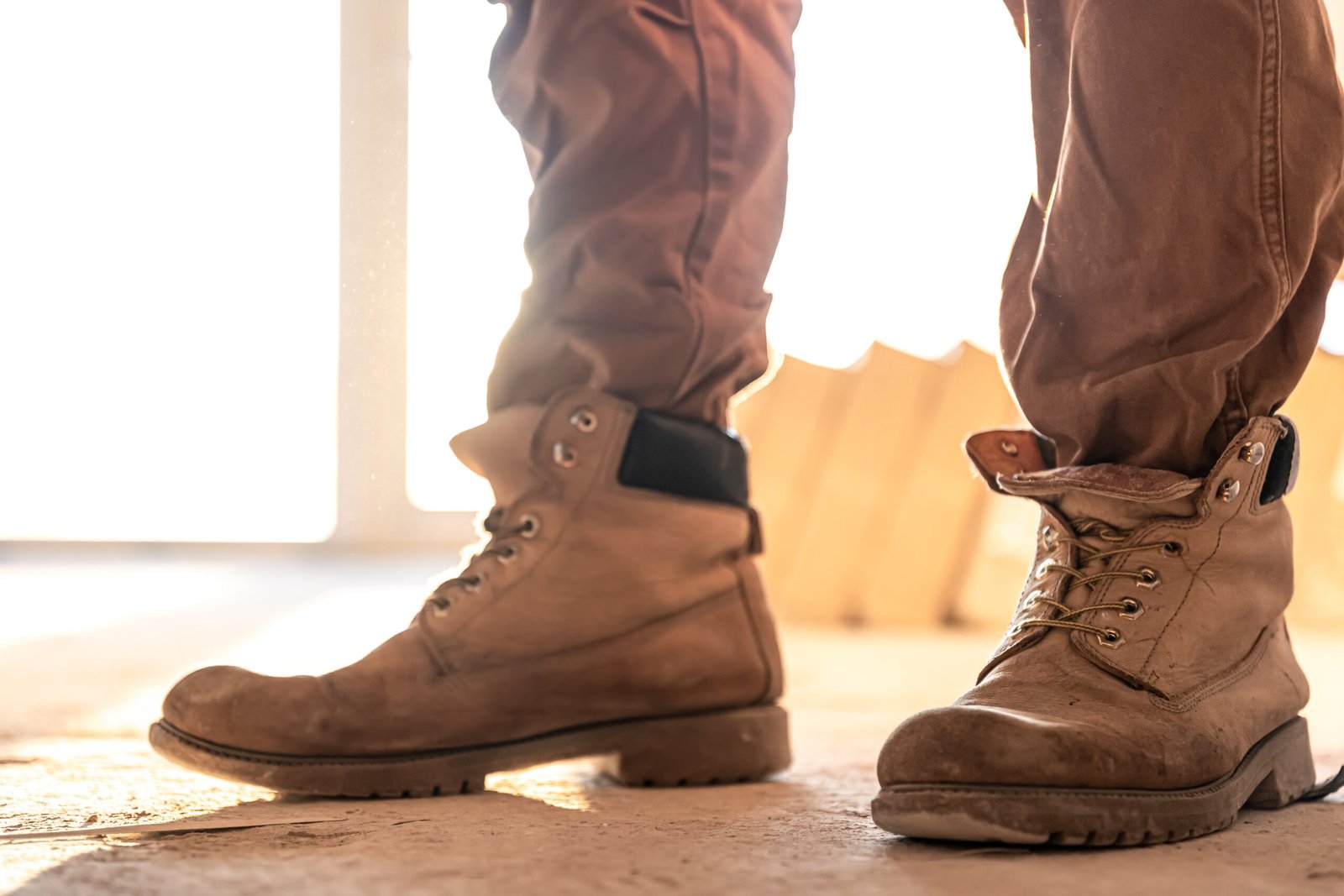
You’ve booked the flights. You’ve planned the itinerary. You’ve even figured out how to fit two weeks of clothes into a carry-on. But there’s one critical item that can single-handedly make or break your trip: your shoes.
Travel demands a lot from your feet. Whether you are sprinting through O’Hare to catch a connection, navigating the steep streets of San Francisco, or standing in line at a theme park in Orlando, your footwear is your primary mode of transportation. The wrong pair leads to blisters, sore arches, and a desire to sit in the hotel room instead of exploring. The right pair? You won’t even notice them.
As we look ahead to 2026, travel footwear has evolved. It’s no longer a choice between clunky orthopedic shoes and flimsy fashion sneakers. Modern travelers demand versatility. They want shoes that can handle a 20,000-step day in New York City and still look decent enough for a casual dinner. They need materials that breathe in the humidity of the South and repel the drizzle of the Pacific Northwest.
This guide explores the landscape of travel footwear for 2026, breaking down what to look for, the best styles for different itineraries, and how to keep your feet happy from departure to arrival.
What Makes Great Travel Shoes?
When searching for the best travel shoes in the USA, you aren’t just looking for footwear; you are looking for equipment. A shoe might feel great when you try it on for five minutes in a store, but the real test comes at mile five of a walking tour.
Comfort & Cushioning
The most non-negotiable factor is comfort. Travel often involves significantly more walking than your daily routine. You need a midsole that absorbs impact on concrete sidewalks and museum floors. Look for technology like high-rebound EVA foam or memory foam insoles that contour to your foot shape over time.
Lightweight & Breathable Materials
Luggage weight limits are strict, and heavy shoes on your feet drain your energy faster. The ideal travel shoe feels like an extension of your foot, not an anchor. Breathability is equally important. Whether you are in the arid heat of Arizona or the humid streets of New Orleans, airflow prevents swelling and blisters.
Versatility for Different Terrains
Can your shoes handle cobblestones in Boston, a gravel path in a national park, and a slick airport terminal floor? Versatility allows you to pack fewer pairs. A great travel shoe has a grippy outsole and a neutral aesthetic that adapts to multiple environments.
Durability & Easy-Care Design
Travel is messy. Your shoes will encounter scuffs, spills, and street grime. The best options for 2026 feature durable uppers that resist abrasion and are easy to wipe clean or toss in a washing machine.
Best Types of Travel Shoes for 2026
Finding the best travel shoes for USA travel 2026 depends largely on your itinerary. A trip focused on urban exploration requires different footwear than a road trip through the Rockies. Here are the top categories dominating the market.
Walking & City Travel Shoes
For the urban explorer, the priority is all-day wearability mixed with style. You want a shoe that provides athletic-level shock absorption without looking like you just left the gym.
- Key traits: Leather or high-quality knit uppers, neutral colors (white, grey, navy), and supportive insoles.
- Why they work: They transition seamlessly from a morning coffee run to an evening museum visit.
Lightweight Sneakers for Travel
These are the MVPs of packing light. Modern knit sneakers are often collapsible, meaning they take up minimal space in your suitcase.
- Key traits: Mesh construction, flexible soles, and featherlight weight.
- Why they work: They offer excellent breathability for long days and are perfect for travelers who want to stay active or hit the hotel gym.
Travel-Ready Hiking & Trail Shoes
If your USA trip involves National Parks—like Zion, Yosemite, or the Great Smoky Mountains—you need traction. However, traditional hiking boots are heavy and hot. Trail runners or “hiking sneakers” are the modern solution.
- Key traits: Aggressive tread patterns (lugs), toe protection, and water-resistant materials.
- Why they work: They offer the grip of a boot with the comfort and weight of a sneaker.
Slip-Ons & Easy-Pack Shoes
The hassle of airport security lines makes slip-ons a traveler’s best friend. They are also ideal for road trips where you might want to kick your shoes off in the car.
- Key traits: Laceless design, elastic gores for a secure fit, and heel counters that don’t collapse.
- Why they work: Convenience. They are the easiest option for moving through TSA checks or quickly heading down to the hotel lobby for breakfast.
Travel Sandals with Support
For summer travel or destinations like Florida and Hawaii, sandals are essential. But flimsy flip-flops won’t cut it for walking. You need “performance sandals.”
- Key traits: Contoured footbeds with arch support, adjustable straps (often Velcro or buckles), and rubber outsoles.
- Why they work: They keep feet cool while providing enough structure to walk several miles comfortably.
Top Features to Look for in Travel Shoes
When you are reading product descriptions or browsing shelves, keep an eye out for these specific travel shoe features in the USA.
Arch Support & Cushioning
Flat shoes are the enemy of travel. Without arch support, your feet fatigue quickly, which can lead to knee and back pain. Look for brands that highlight orthotic-grade support or contoured footbeds. Cushioning shouldn’t be too soft, or you’ll lack stability; a firm but responsive feel is best for long durations.
Breathability & Moisture Management
Blisters form when heat, moisture, and friction combine. Shoes with moisture-wicking linings or engineered mesh uppers allow heat to escape. Some brands even incorporate antimicrobial treatments to keep odors at bay—a huge plus when you can’t wash your shoes for a week.
Adjustable Fit & Secure Closures
Your feet will likely swell after a flight or a long day of walking. Shoes with adjustable laces, straps, or elastic components allow you to loosen the fit as the day goes on, preventing circulation issues and hot spots.
Lightweight Construction
Every ounce counts. Heavy rubber soles add up over thousands of steps. Look for “blown rubber” outsoles or EVA foam compounds that provide durability without the weight penalty.
Materials & Construction for 2026 Travel Shoes
The technology behind travel shoe materials has advanced significantly. Manufacturers are using smarter, more sustainable materials to increase comfort and longevity.
Mesh & Knit Uppers
Engineered knit is a favorite for 2026. It fits like a sock, reducing friction points that cause blisters. It is also highly breathable and flexible, accommodating different foot shapes (including bunions) better than rigid leather.
Rubber & EVA Soles
The outsole needs to be tough. Carbon rubber is often used in high-wear areas (like the heel) for durability, while softer blown rubber is used in the forefoot for cushioning. Midsoles usually feature EVA (Ethylene-Vinyl Acetate) foam, which offers that vital “bounce” in your step.
Quick-Dry & Weather-Resistant Fabrics
You might get caught in a rainstorm in Seattle or step in a puddle in Chicago. While fully waterproof shoes can sometimes lack breathability, water-resistant treatments (like DWR coatings) help shed light rain. Quick-dry synthetics ensure that if your shoes do get wet, they aren’t soggy for the rest of the trip.
How to Choose Travel Shoes for Your Trip
Selecting the right pair involves analyzing the specifics of your journey. Here is a guide on how to choose travel shoes for the USA based on your plans.
Matching Activity and Destination
- The Disney World Trip: You will be standing on concrete for 10+ hours. Prioritize maximum cushioning above all else.
- The NYC/Chicago City Break: You need style and durability. A sleek leather sneaker or a supportive bootie works best.
- The Pacific Coast Highway Road Trip: You need versatility. A trail runner or a sturdy slip-on covers driving, beach stops, and light hiking.
Walking Distance & Climate Considerations
Be realistic about your step count. If you average 3,000 steps at home but plan to hit 15,000 on vacation, you need a performance shoe. Regarding climate: mesh is great for summer, but if you are visiting the Northeast in winter, you need insulated, water-resistant leather or synthetic uppers.
Fit, Sizing, and Break-in Tips
Always buy travel shoes at least two weeks before your trip. Wear them around the house, then on short walks, then on long walks. Your feet swell during travel, so consider buying a half-size up if you are between sizes. A shoe that feels “snug” in the store will feel “tight” at 30,000 feet.
Packing Tips for Travel Footwear
Once you have the shoes, you need to transport them. These travel shoe packing tips will save space and protect your gear.
Compressing Shoes Without Damage
Stuff your socks and underwear inside your shoes. This not only saves space but also helps the shoe maintain its shape so it doesn’t get crushed in your luggage.
Choosing Versatile Pairs
The golden rule is the “Rule of Three”: Wear your heaviest pair on the plane (usually sneakers or boots). Pack one casual/dressier pair (like loafers or flats). Pack one specialty pair if needed (sandals or flip-flops). Try to stick to a color palette where every shoe matches every outfit.
Travel Shoe Care on the Go
Pack a small plastic bag or shower cap to cover the soles of your shoes before putting them in your suitcase. This keeps dirt off your clean clothes.
Travel Shoe Care While on the Road
To ensure your footwear lasts the whole trip, a little travel shoe maintenance in the USA goes a long way.
Cleaning After Long Walks
If you’ve been walking on dusty trails or dirty city streets, give your shoes a quick wipe down at the end of the day with a damp cloth or a baby wipe. This prevents dirt from embedding in the fabric.
Quick Refresh Tips
To combat odor, remove the insoles at night to let the shoes air out. If you have space, pack a small travel-sized deodorizing spray or even dryer sheets to stuff inside overnight.
Storage and Odor Control
Never seal damp or sweaty shoes in a plastic bag for long periods—that breeds bacteria. If they are wet, loosen the laces and pull the tongue forward to maximize airflow. Place them near the hotel AC unit (but never directly on a heater) to dry.
Frequently Asked Questions (FAQ)
Q1. What are the best travel shoes for 2026 in the USA?
The “best” shoe depends on your needs, but generally, versatile walking sneakers and slip-ons with high-rebound foam midsoles and breathable knit uppers are top choices for 2026. Look for brands prioritizing hybrid designs that blend athletic comfort with casual style.
Q2. Should travel shoes be stylish or purely functional?
Ideally, both. You shouldn’t have to sacrifice style for comfort. Modern travel shoes are designed to look like streetwear while performing like athletic gear. Neutral colors allow you to wear them to dinner without looking like you’re heading to the gym.
Q3. Are walking sneakers good for travel?
Yes, they are often the best choice. Walking sneakers are specifically engineered to support the natural rolling motion of the foot and provide cushioning for hard surfaces, making them superior to running shoes for slow-paced, all-day wear.
Q4. How do I break in travel shoes before a trip?
Start by wearing them for an hour indoors. Gradually increase the time to half-day outings, then full days. Do this over a period of 2-3 weeks. Never wear brand-new shoes for the first time on a travel day.
Q5. What materials work best for travel footwear?
Breathable mesh and knit are best for warm weather and active trips. Leather is excellent for durability, style, and cooler weather, though it is heavier. Merino wool is gaining popularity for its temperature-regulating and odor-resistant properties.
Q6. Can travel shoes be worn for hiking and city exploration?
Yes, if you choose “trail-to-town” hybrid shoes. These typically look like standard sneakers but feature rugged outsoles and reinforced toes suitable for light hiking.
Q7. How many pairs of shoes should I pack for travel?
Aim for two to three pairs maximum. Wear your bulkiest, most comfortable pair for travel days. Pack one versatile pair for evenings or different terrain, and perhaps a specialized pair (like sandals) if the weather dictates.
Travel Shoes That Go the Distance
The success of your 2026 USA adventure relies heavily on your foundation. When your feet are comfortable, you have the energy to visit that extra gallery, take the longer scenic route, and dance at the local music venue.
Finding the perfect pair requires balancing style, support, and weight. It means prioritizing versatility so you aren’t weighed down by luggage, and ensuring your materials can handle whatever the American landscape throws your way. Invest time in finding the right fit now, and your future self—standing at the edge of the Grand Canyon or in the center of Times Square—will thank you.
Leave a Reply